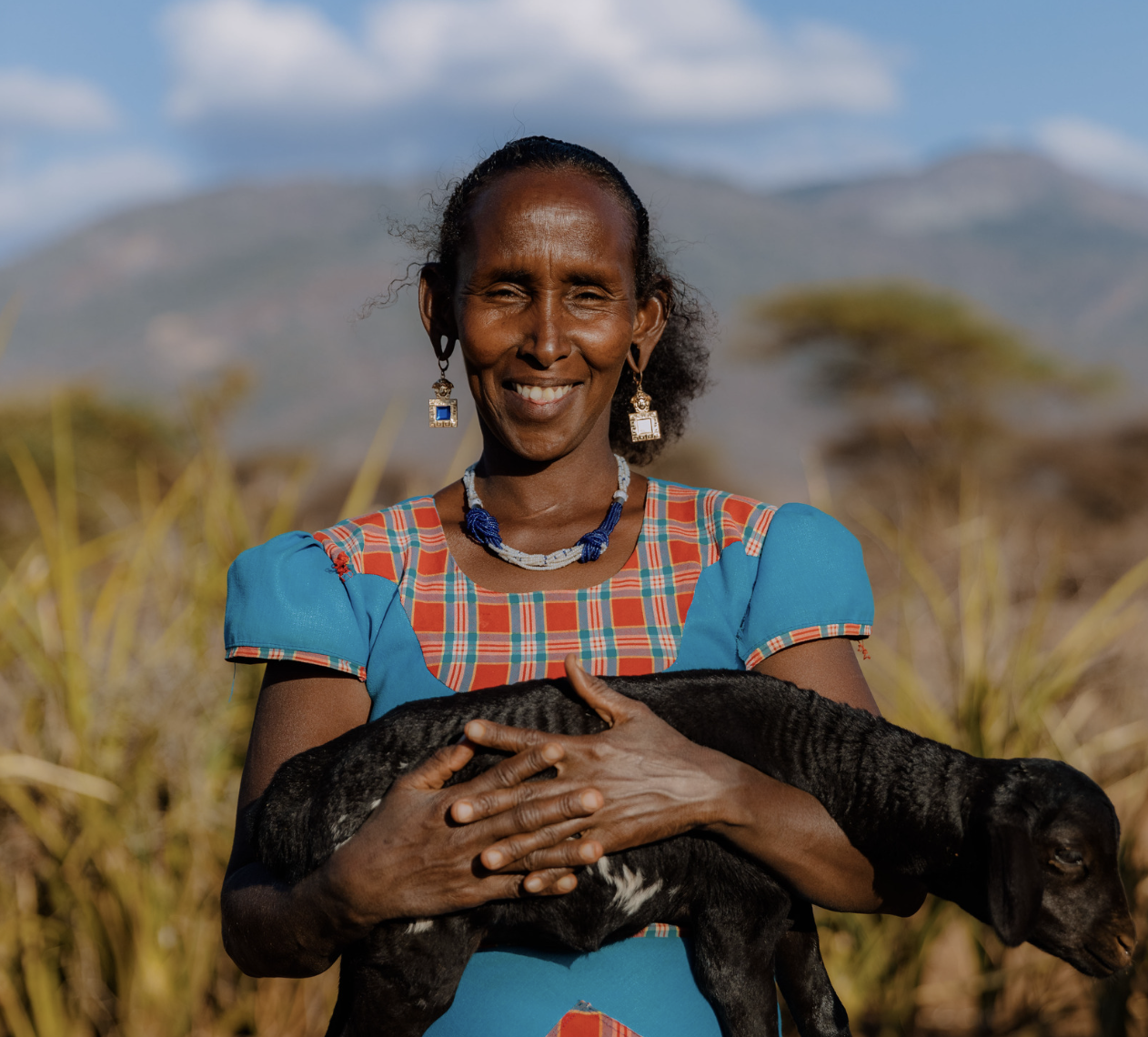
WOMEN TAKING THE WHEEL
Over the years, we have documented the stories of hundreds of women whose lives have been irreversibly changed by clean water. Women who have forged new futures as by selling donuts and handmade jewelry, opening roadside stores, molding bricks, and becoming leaders within their communities.


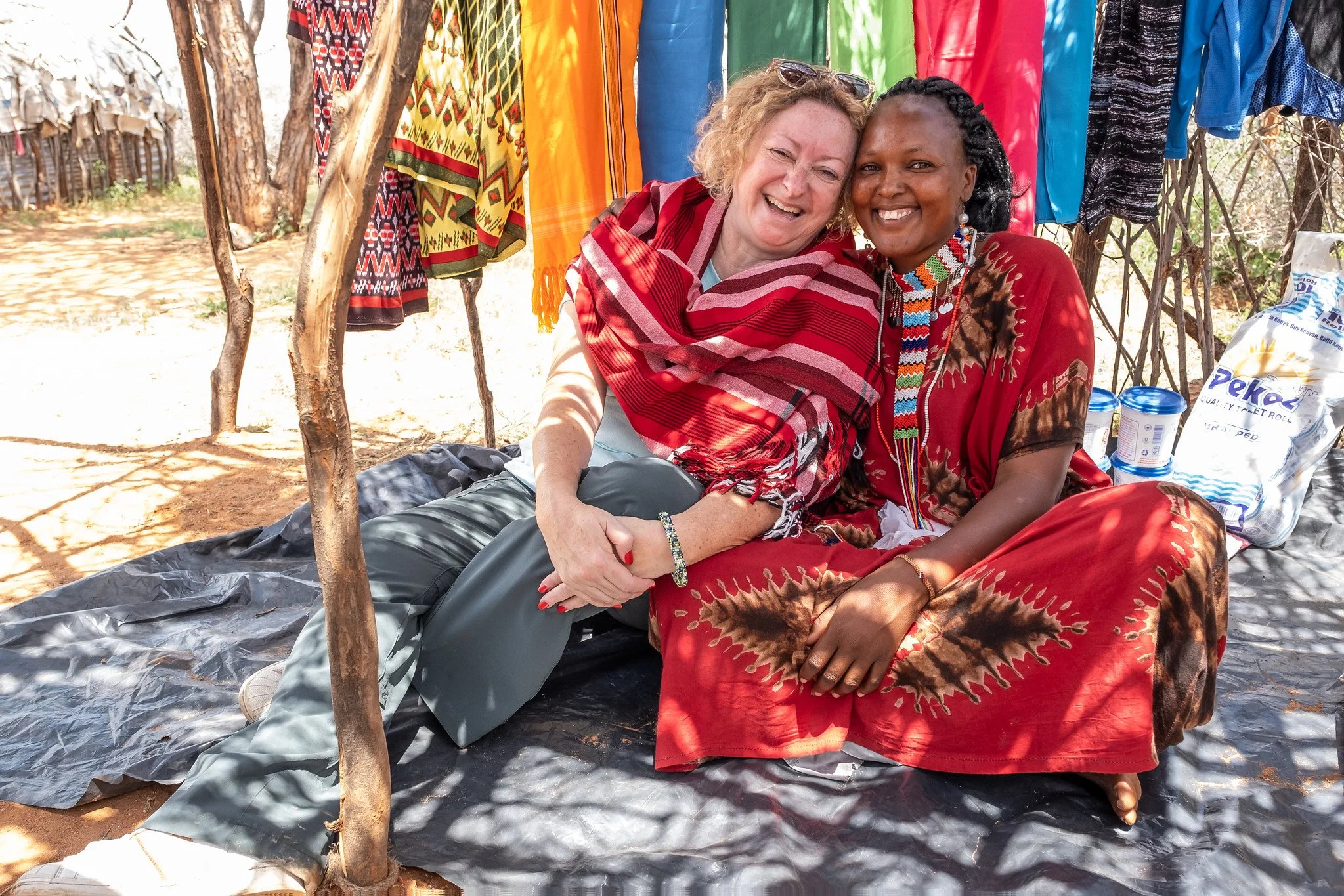
A WATER STORY: PART 3
The final installment of our three part water story tells the story of six Samburu women: Joyce Lakapa, Damaris Lemerketo, Mariah Lekadaa, Margaret Lekangu, Annah Dokoyah, and Jackline Lenatini. With access to clean water, these women have started their own businesses, joined women’s groups, and started paying for their children to go to school. Each one of their stories is inspirational, and each one started with water.

MARY LENYAKUMA
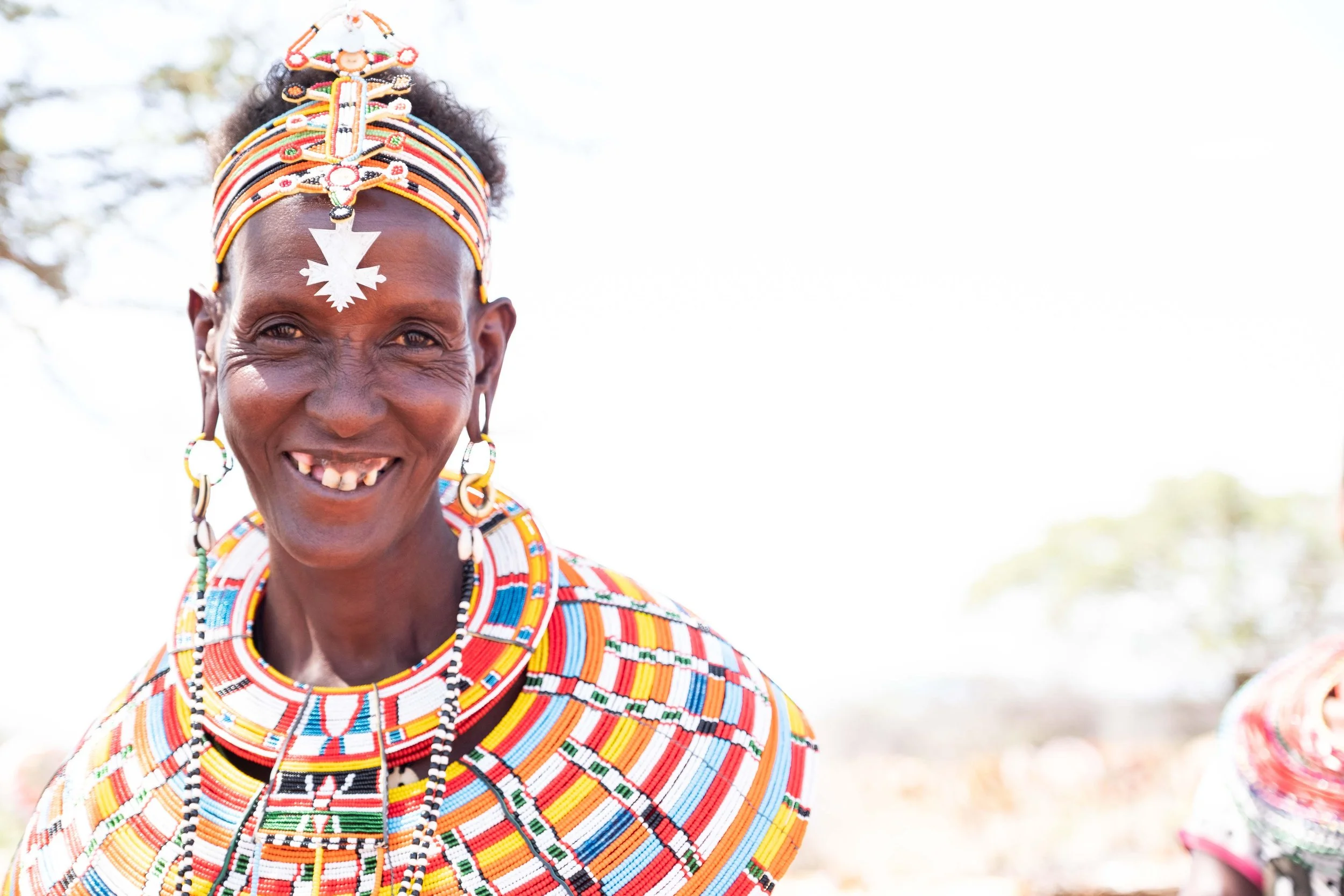
Mary first learned how to bead when she was 15 years old, from her mother. The tradition of beading is passed down from generation to generation of Samburu, and in the little free time she had, Mary embraced it whole-heartedly. Most days, however, left no time for beading. Mary woke up in the morning, gathered her things, and instead of walking to school, began the long search for water. This seemingly simple task took up the entirety of her day, leaving Mary little time for anything else. In 2012, The Samburu Project drilled a well in Mary’s town of Lolgerdad. Today Mary has 6 children and works 8-12 hours a day on her beading. She sells her jewelry at Kalama Airstrip.
JULIA LEJADE
Julia Lejade was born and raised in Wamba. Like most Samburu children, she grew up herding goats and taking care of the family's cattle. Her diet consisted of goat milk, and sometimes meat, as is traditional in Samburu. But the biggest challenge she faced on a daily basis was finding clean water. In 2007, The Samburu Project drilled a well in Julia’s community of Lower Sordo, and her life was forever changed.