
Photography by Mamen Saura

Founded in September 2006, The Samburu Project began with a single, essential mission - bringing clean, reliable water to communities that had none, so that women and families could not simply survive, but thrive! As we approach our 20-year anniversary as an organization, we find ourselves reflecting not just on how far we’ve come, but where we go from here.
Then: Our earliest work was about access. We wanted to eliminate the long walks women and children were making to collect water- water that wasn’t safe. We knew that the first step to empowering women was to give them back their time, so they could devote their lives to more fulfilling activities.
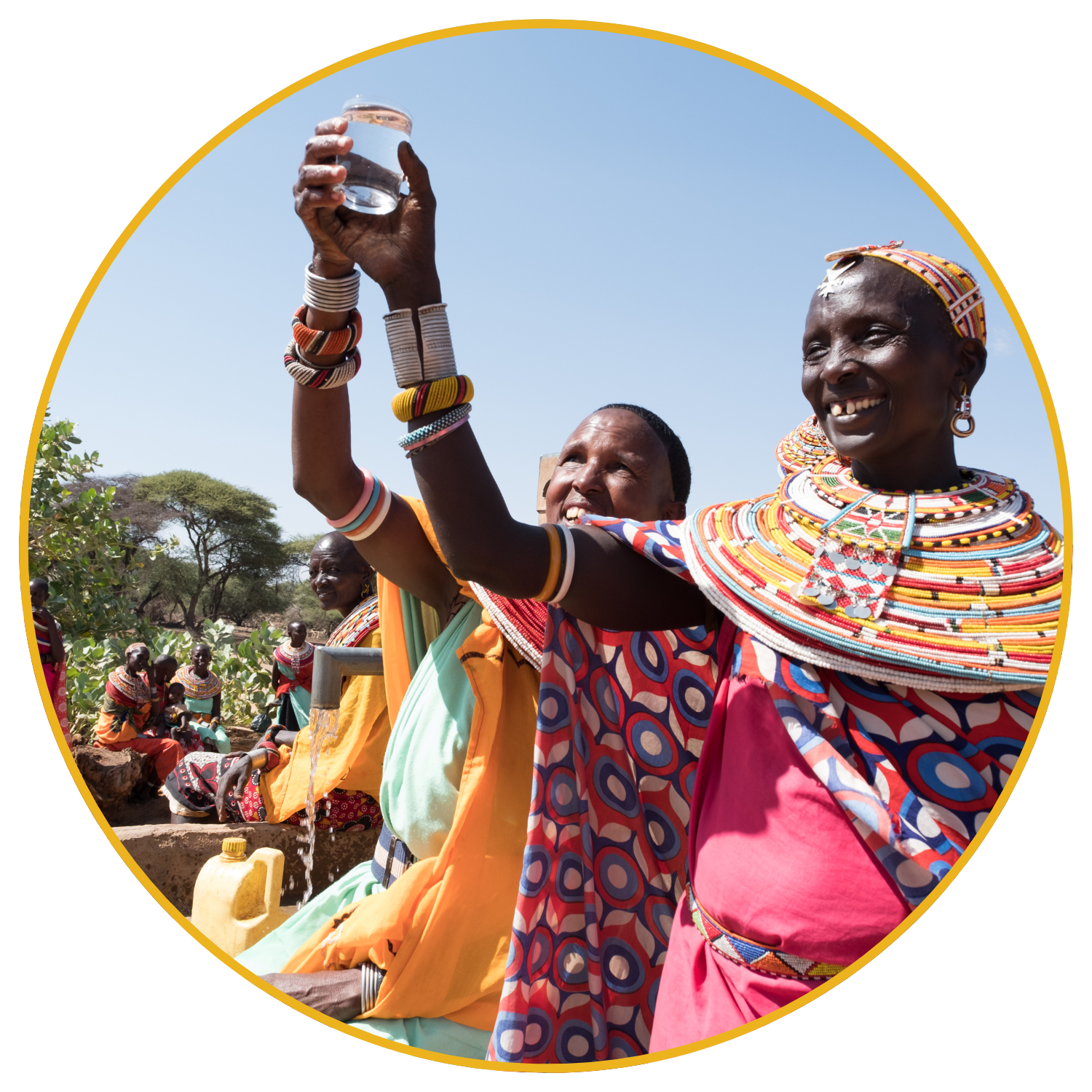
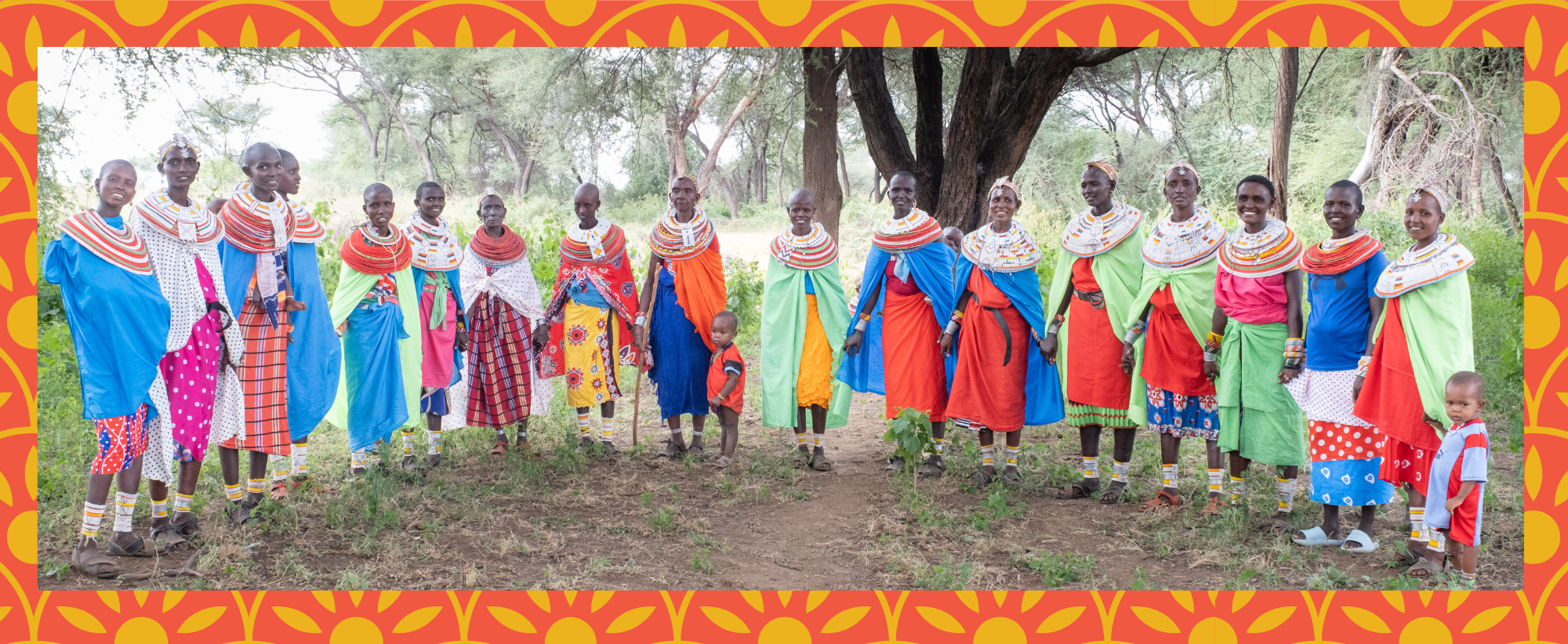
Now: We are witnessing schools opening, women starting businesses, gardens growing and communities taking their first steps out of poverty. Access to clean water opened the door to education, improved health, community growth, and gender equality. Women participate in Samburu Sisters programs, learning leadership, income-generation, and their rights. Girls benefit from menstrual hygiene initiatives that keep them in school. Communities cultivate school gardens, nurturing both food and opportunity. Mentorship programs help young people envision a future beyond survival.
Over the past two decades, we have drilled 170 wells for 155 communities. And because we don’t just drill and walk away, 143 of them are still functioning today. And the ones that were destroyed by natural disasters are being replaced because our commitment is to our Samburu partners.
Throughout the year, we will be taking a journey through the history of our wells and the communities they serve - highlighting where it all began, the lives they’ve changed, and the communities they’ve strengthened.
2005-2007
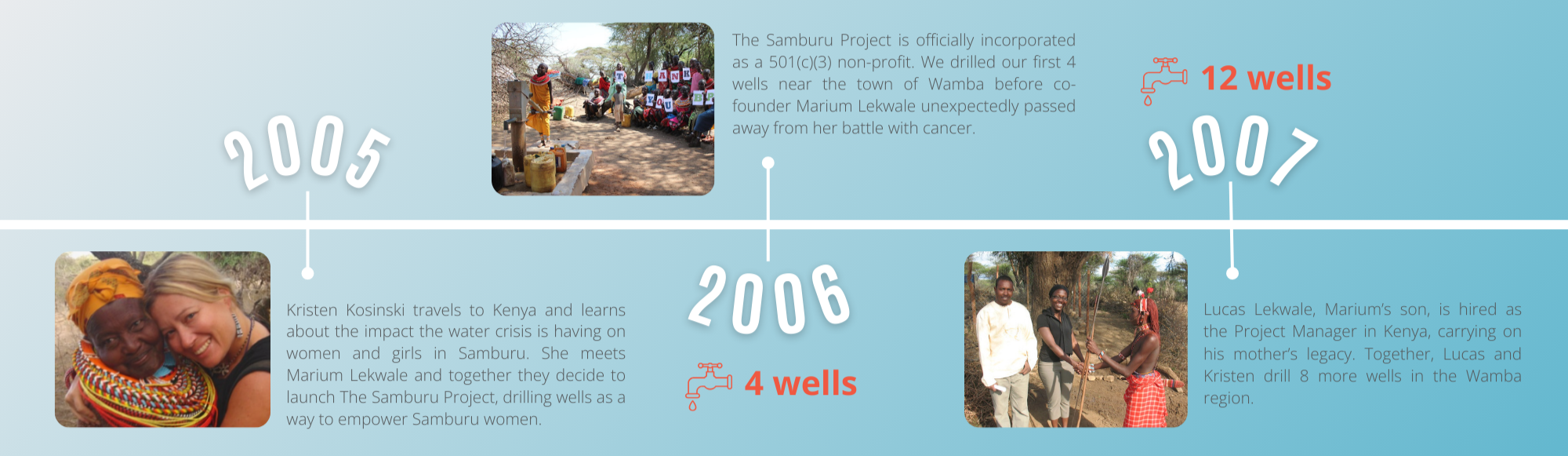
The journey began in 2005 with one simple question: What do women and girls in rural Kenya need most to shape their own futures? Seeking answers, our founder Kristen Kosinski traveled across the country, meeting with women leaders, listening to their stories, and learning from their lived realities.
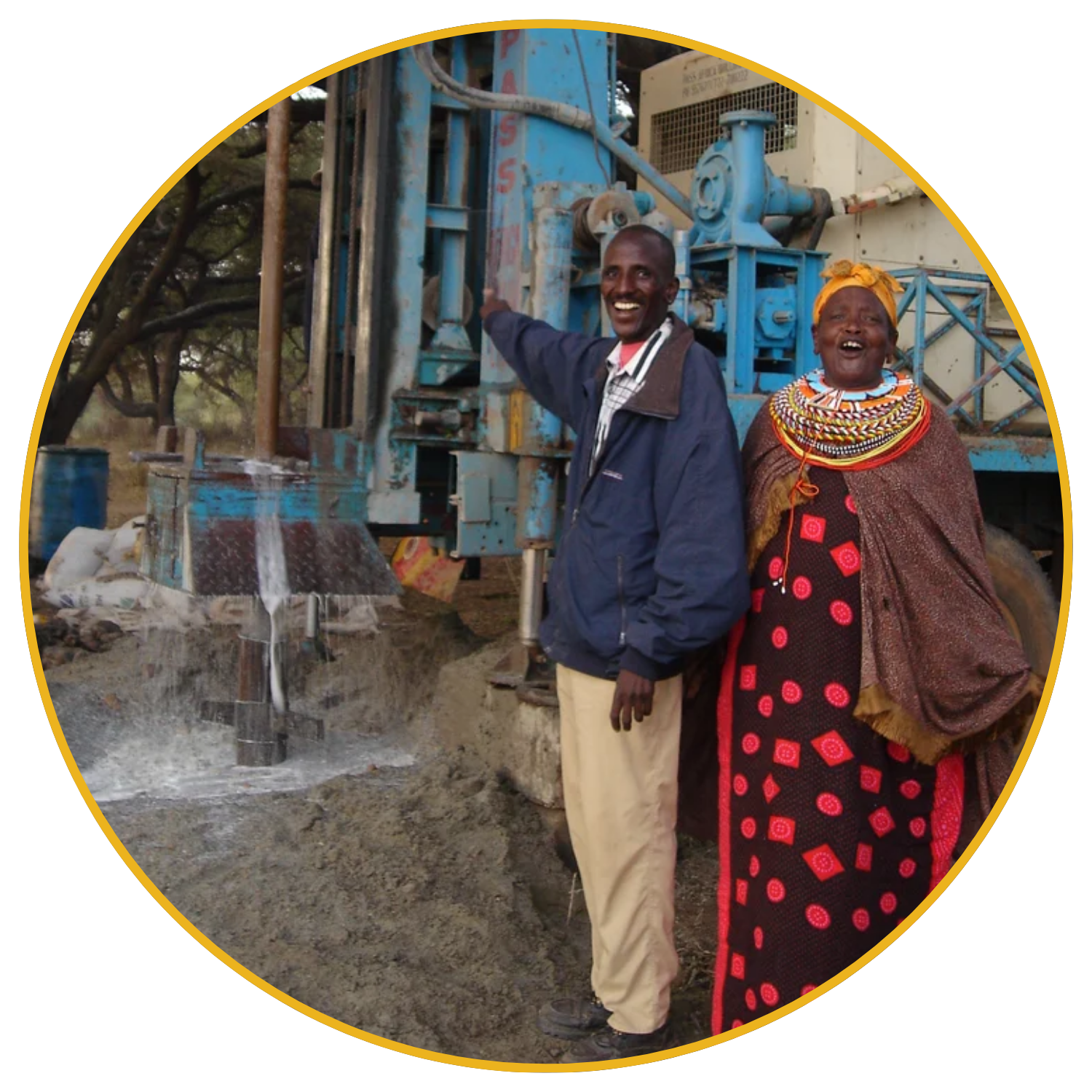
It was in Samburu that the answer became clear. There, Kristen met Mariamu “Mama Mussa” Lekwale, a respected community leader who opened the doors, walking her from village to village, introducing her to hundreds of women. Different lives, different struggles, but one shared truth: without water, nothing else could follow.
From that realization, The Samburu Project was born. Together, Kristen and Mama Mussa brought the first four wells to life, transforming access to clean water in communities that had long gone without. When Mama Mussa passed away unexpectedly in 2007, her spirit and leadership did not end; they became part of the foundation of every well, every program, and every life changed since.
In our first two years as an organization, we drilled 12 wells for Samburu communities suffering from extreme drought. Today, all but one of those communities continues to receive life-saving access to clean water. According to recent surveys, the wells drilled in our first two years currently serve more than 7,100 people. Five of the communities now have primary schools. Since drilling wells for these 12 communities, we have hosted one Samburu Sisters workshop, nine menstrual hygiene workshops, and supported the installation of handwashing stations and latrines at one of the Primary Schools - expanding the impact of clean water into health, dignity, and opportunity.
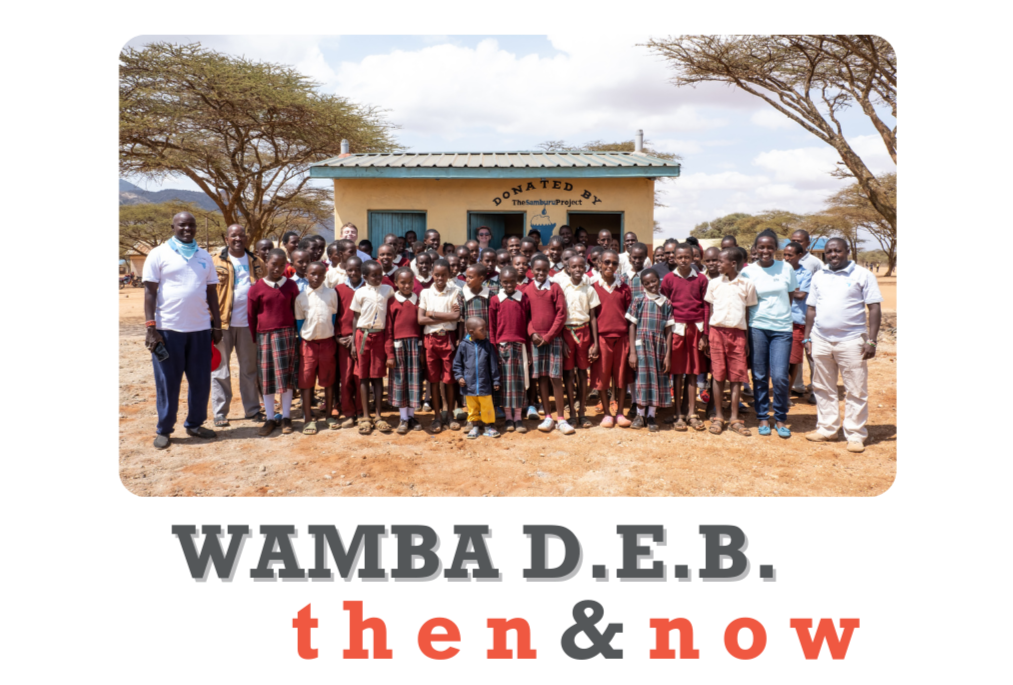

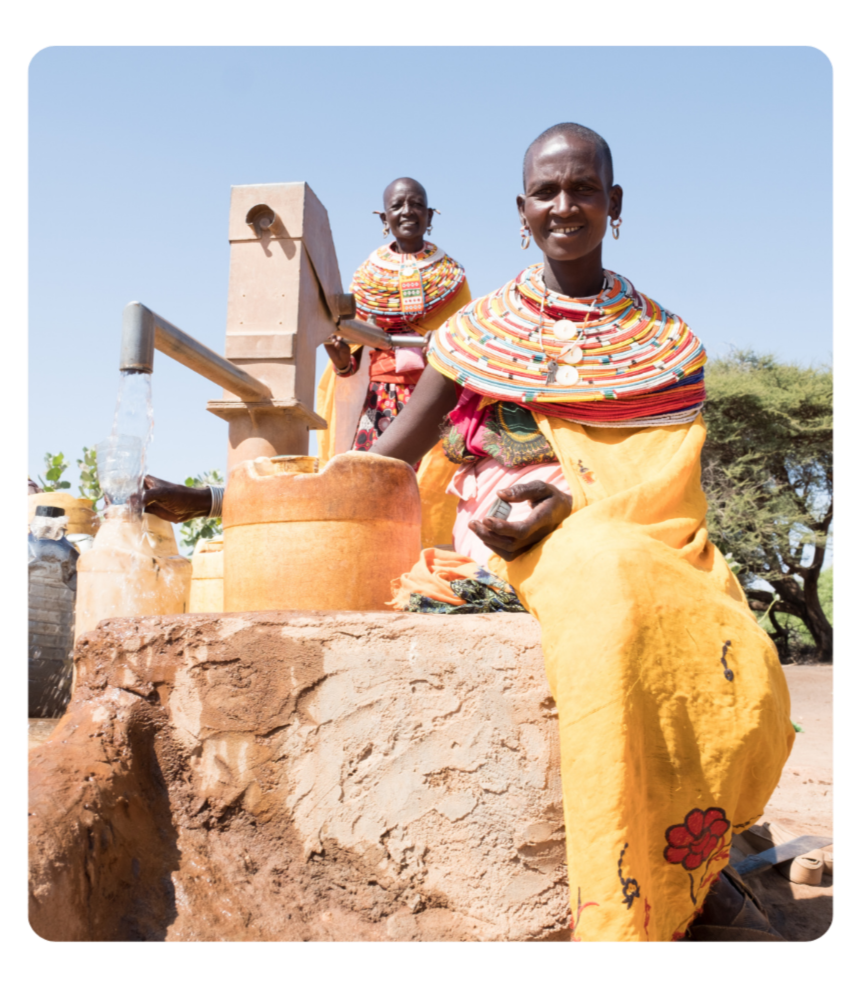
Lopesiwo 2 well was drilled in 2007. Serving approximately 550 people and supporting a local primary school, this well has grown far beyond its original purpose. In 2018, Lopesiwo 2 hosted one of the earliest Samburu Sisters empowerment workshops, marking a huge milestone for the community and our organization. These workshops respond directly to the voices of mothers and women who were never afforded formal education, yet seek knowledge and agency. Programming addresses the realities and risks of child marriage and teen pregnancy, HIV/AIDS prevention and misconceptions, the harmful effects of female genital mutilation, reproductive health, gender equality, and the advancement of women’s leadership in reproductive rights, and conflict prevention and resolution. In 2023, the community welcomed a menstrual hygiene workshop, continuing its trajectory of growth. What began as a single water source has become a hub for education, health, and empowerment.
Previous Issues:
NOV 2025
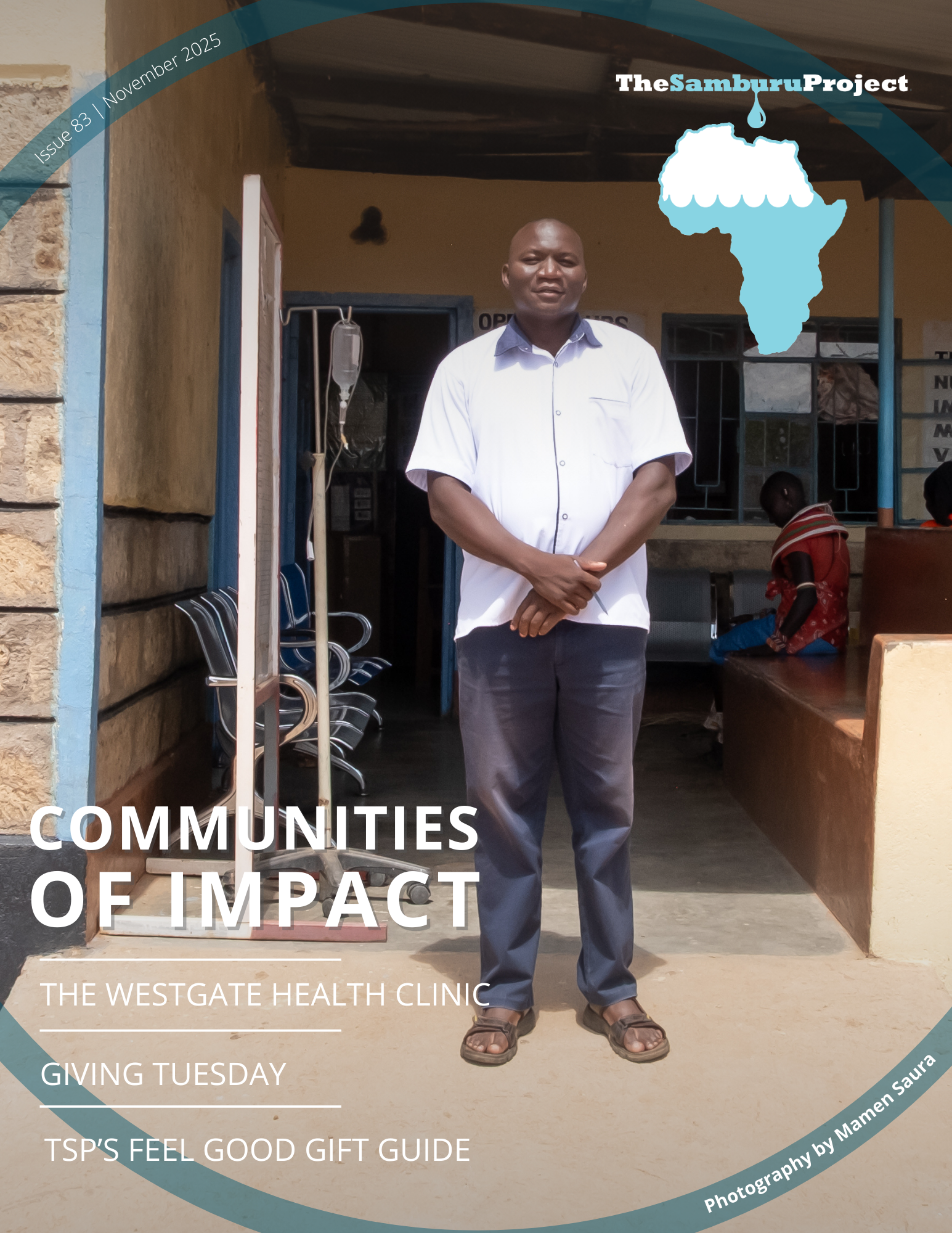
The westgate health clinic
In the heart of Samburu, Westgate Health Clinic stands as the only medical lifeline for miles. And for years it operated without something no health clinic should ever be without: clean water. Read more about Dr. Anthony and how he is committed to serving the people of Samburu.
OCT 2025
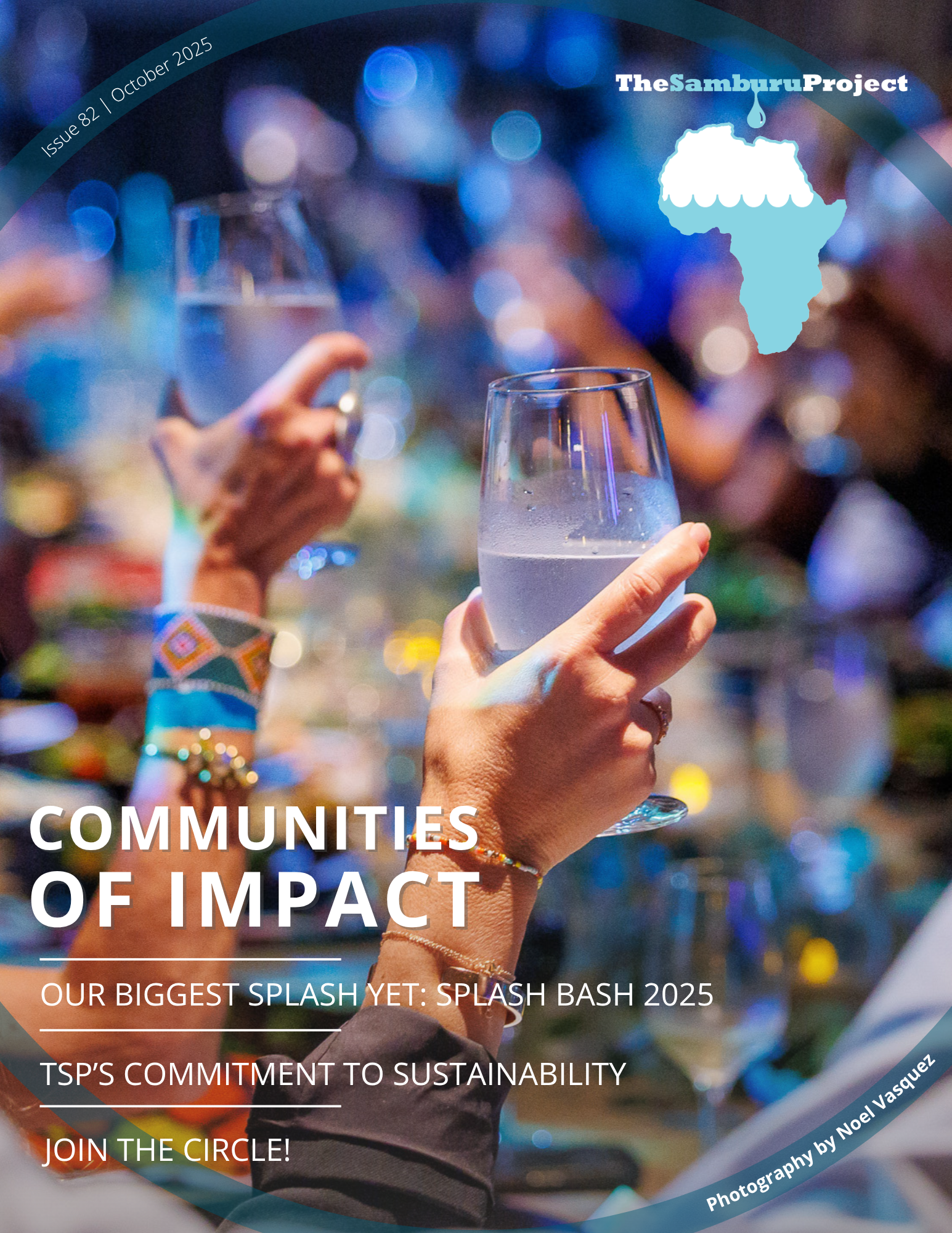
OUR BIGGEST SPLASH YET!
Thanks to our incredible community near and far, Splash Bash 2025 was our most successful gala yet - raising over $315,000 to bring clean water, education, and health programs to Samburu. The energy was unbeatable - from our garden-lit happy hour and auction bids to the excitement of live paddle raises, our very special guest from Samburu, Boaz Leleina.
SEP 2025
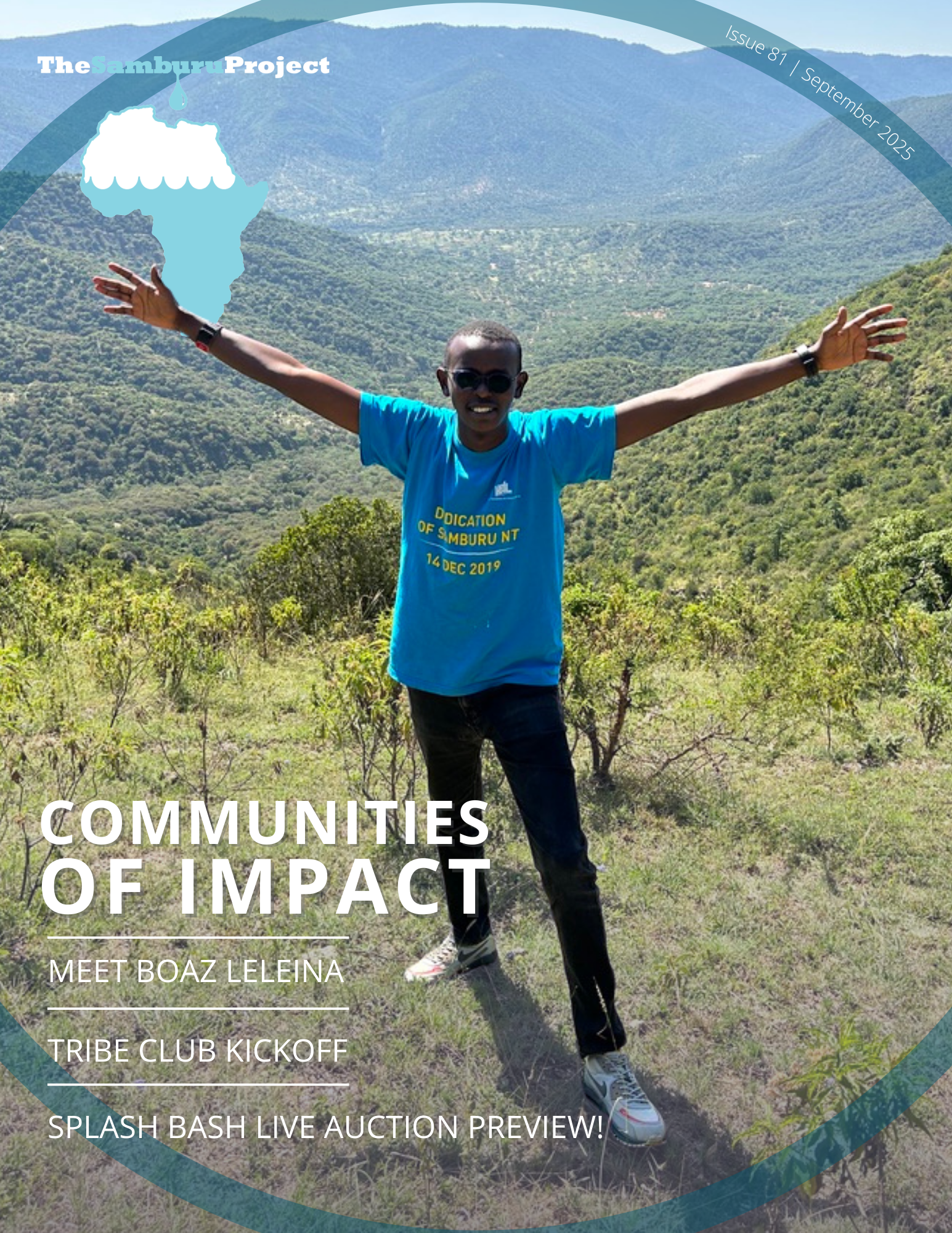
life as a moran: Growing up in samburu by boaz leleina
Raised as a Moran - a Samburu warrior - Boaz Leleina learned resilience at a very young age. Today, that same spirit guides him in a new world in San Francisco, where the spear has been replaced by a laptop. Boaz’s story bridges tradition and technology, showing how the heart of a warrior can thrive anywhere.