
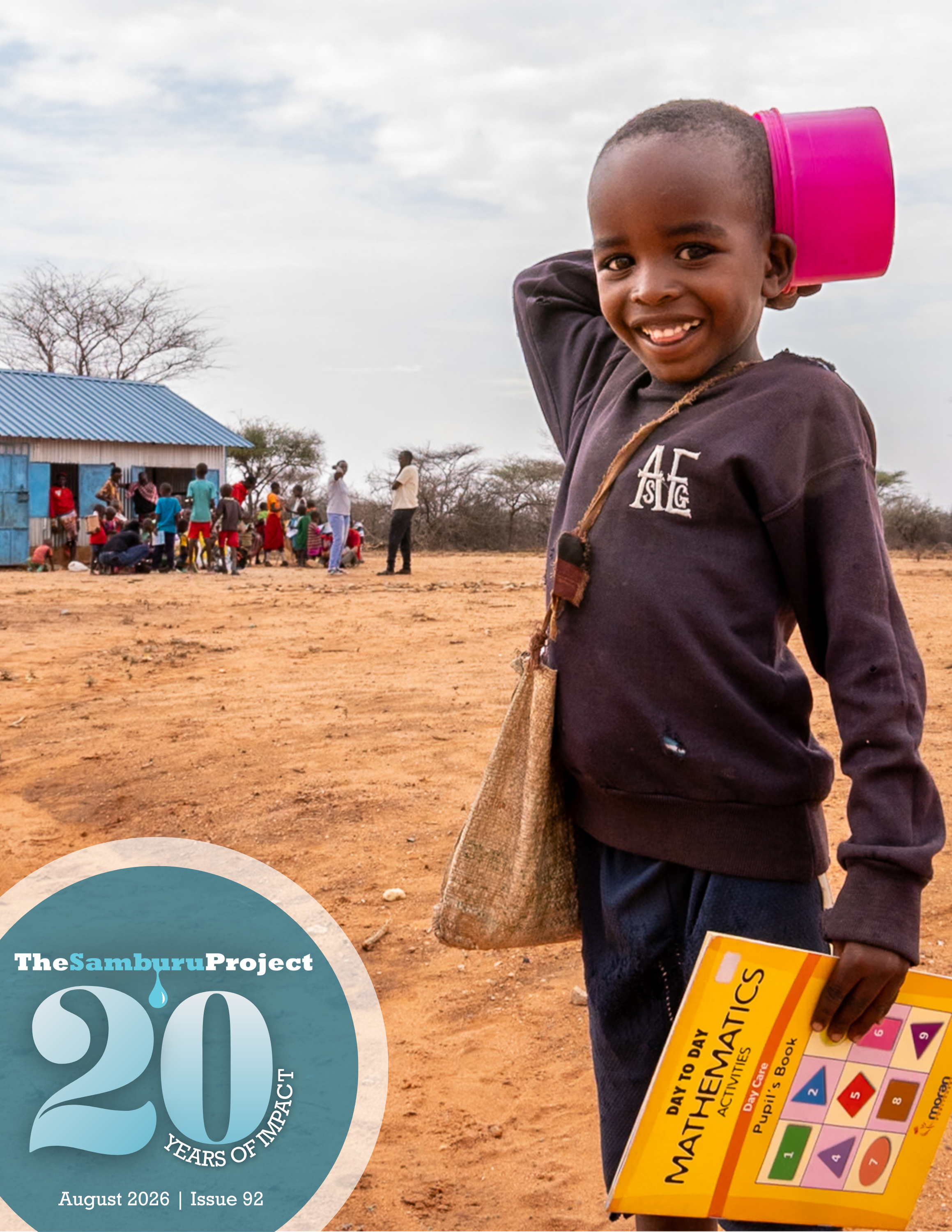
Photograph by Tamara Krautkramer
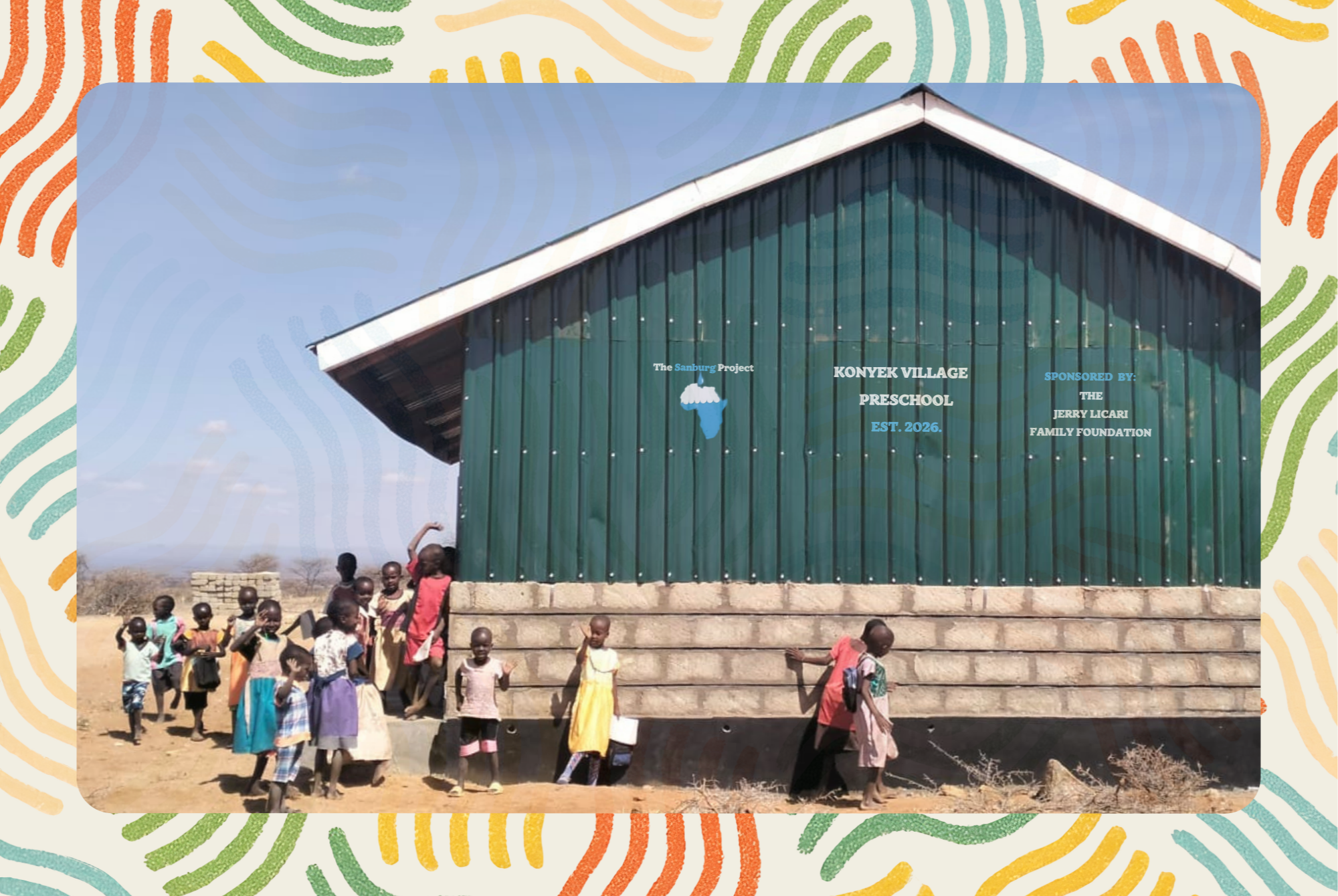
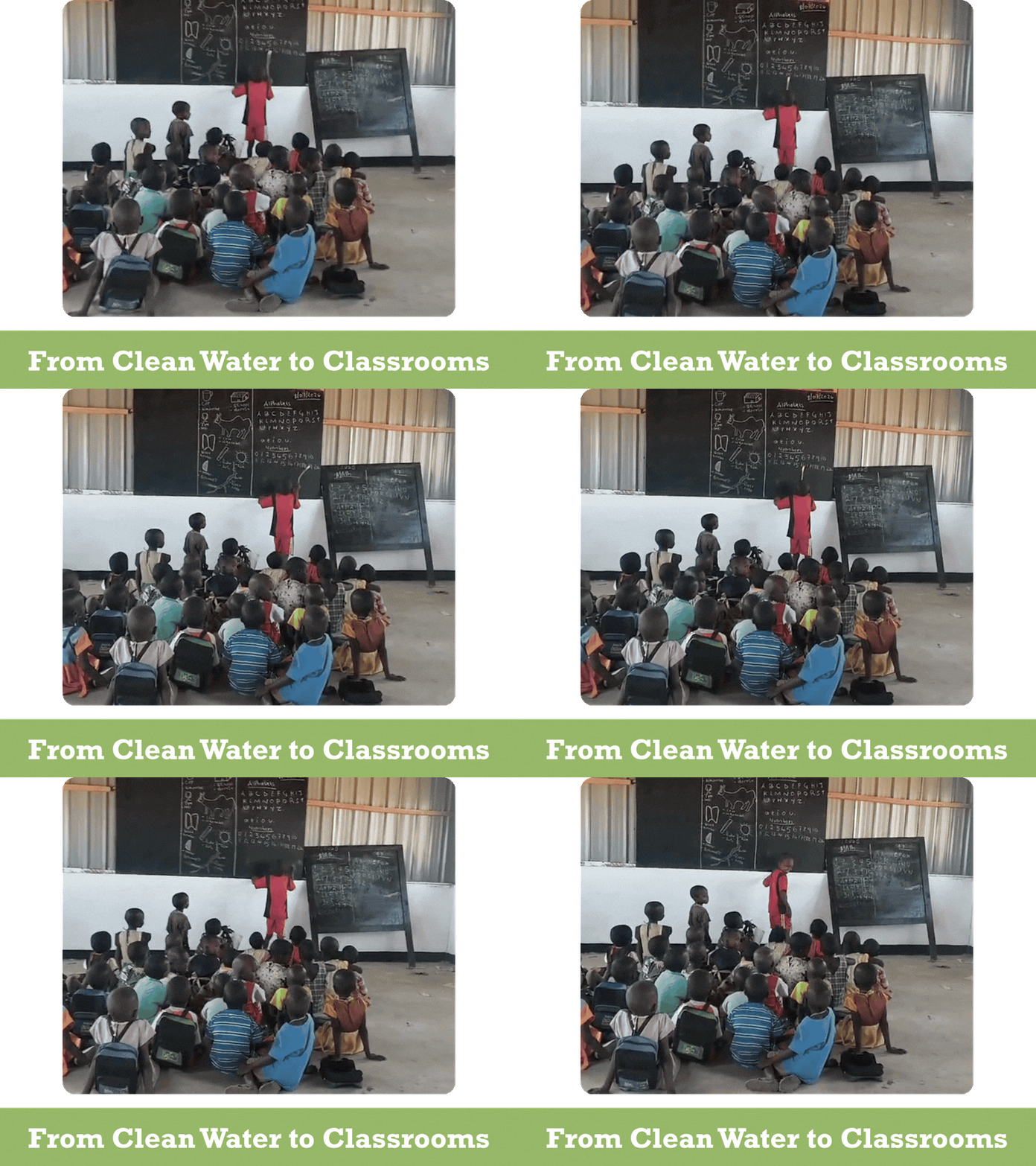
Young learners of Konyek Village checking out their newly constructed preschool!
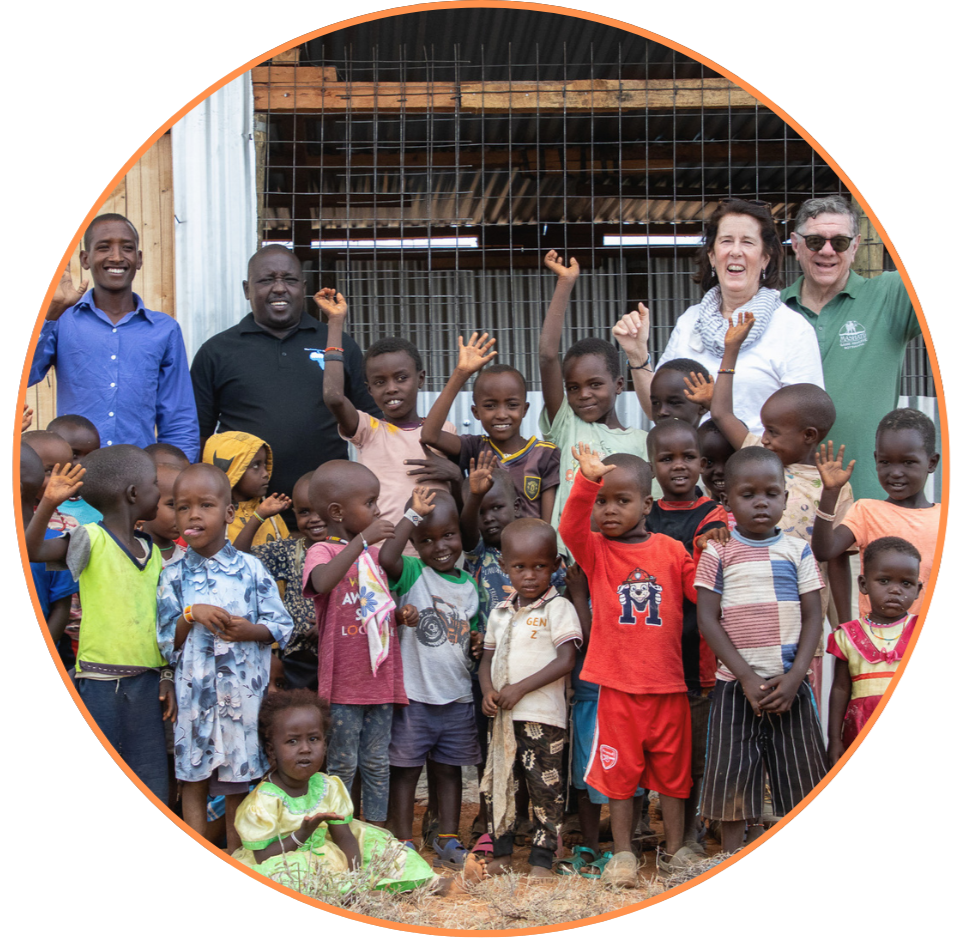
Sean & Eileen Wallace visiting the preschool at Marti well.
While students in the US are gearing up for a fresh new school year - shopping for supplies, decorating dorm rooms, and soaking up their last days of summer - students in Samburu, Kenya, are already back for their third and final term of the year.
As academic calendars may be different, school life for a Samburu student can also look vastly different from that of their American peers. While US students navigate digital classrooms, electives, extracurriculars, and school buses, many Samburu students walk miles to overcrowded classrooms with limited supplies. Outside of school, they often balance their education with essential responsibilities like fetching water and herding livestock. They may also move between three languages: their native tribal language (Samburu for example), Kiswahili, and English.
Most notably, schools in Samburu serve as community lifelines - providing stability, safety, daily meals through local feeding programs, and - if they’re lucky - access to clean water.
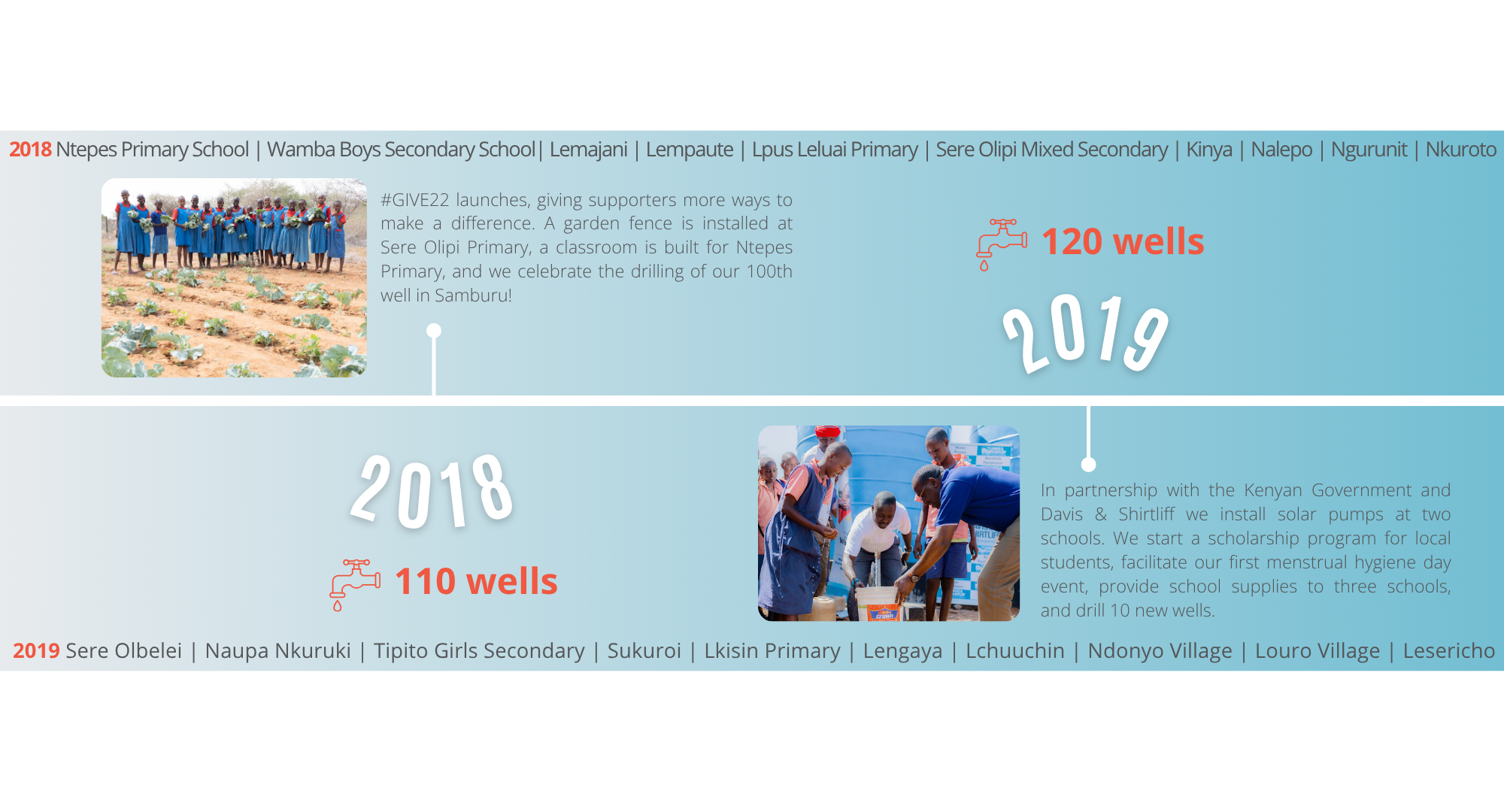
It may be surprising that clean water isn’t guaranteed at every school. That’s why The Samburu Project partners with schools across the region. As we look back at 20 years of TSP, our next chapter of 2018 and 2019 stand out as years when we drilled 20 wells, including seven at primary and secondary schools. These partnerships went beyond water: all seven schools have since received multiple menstrual hygiene workshops, two received handwashing stations, one received showers for their boarding students, and one received a new classroom.
With the opportunity to stay in school and continue their education, students can begin to imagine a different future. Zeitun Deraso, a recent college graduate, is one example of what that opportunity can make possible.
ZEITUN’S NEXT CHAPTER IN NURSING
In 2017, TSP Executive Director Linda Hooper met Zeitun Deraso, an inspiring young girl and avid learner from Sere Olipi. The youngest of six siblings, Zeitun lost both parents before entering primary school. Although her family owned a small shop, they could not afford to send her beyond primary school.
A teacher at Sere Olipi Primary School connected Zeitun with The Samburu Project, which had drilled a borehole at the school years prior and maintained a close relationship with its staff. Through TSP’s scholarship program, Zeitun was able to attend secondary school and pursue her dream of continuing her education. And later, with TSP’s connection to nonprofit Africa Digna, she went on to study at university.
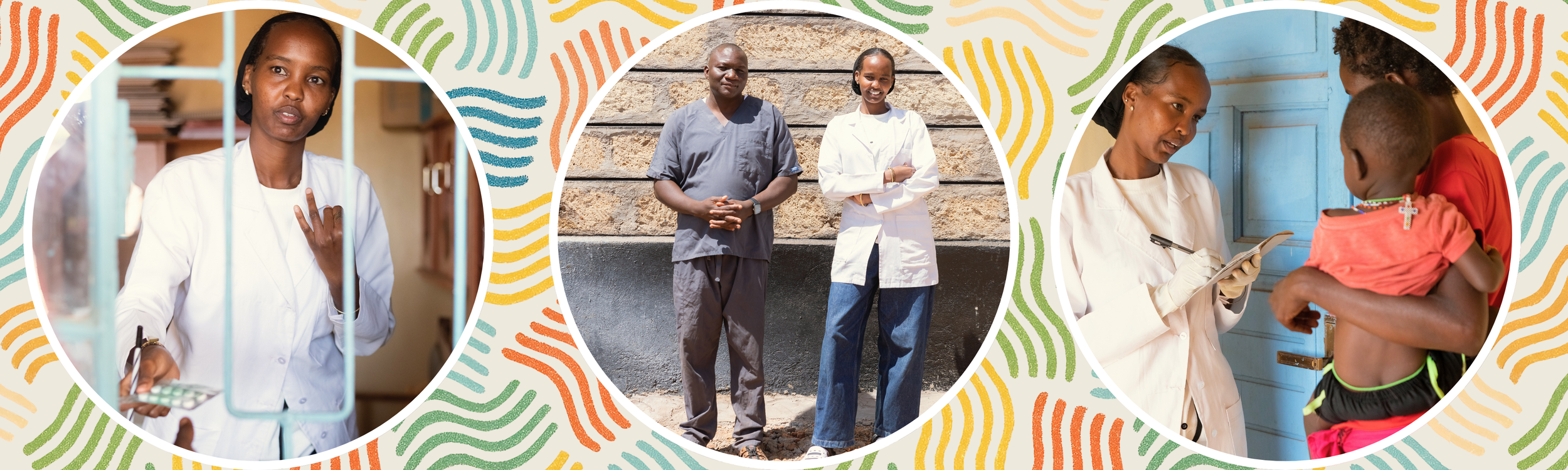
Now at 22 years old, Zeitun has recently graduated from Imperial School of Medical and Health Sciences in Thika, Kiambu County with a degree in Community Health Nursing! Zeitun chose nursing with a clear purpose - to return home and help address the healthcare challenges she has witnessed in her own community. For Zeitun, the need is especially evident among pregnant women and children, who may have to travel long distances to access health facilities. Her experiences inspired her to pursue a career focused not only on treating illness, but also on health education, prevention and compassionate care.
“Through my journey, I hope to encourage more young people to value education, pursue their ambitions, and become confident leaders.”

Zeitun at graduation!
Nursing school was both rewarding and challenging. While gaining the medical knowledge and practical skills needed to care for patients, Zeitun also learned lessons that extended beyond the classroom. Her training taught her the importance of empathy, patience, responsibility, and treating every person with dignity. The experience also changed the way she understands health in Samburu. Zeitun used to view illness as something people simply had to endure. Her education helped her recognize the importance of preventive care and early intervention, as well as the underlying factors that contribute to poor health, such as inadequate nutrition and limited access to maternal health care.
Today, she has a deeper understanding of the challenges facing remote communities in Samburu, from long distances to health facilities and gaps in health education to limited maternal and child health services and high rates of childhood malnutrition. During periods of drought, these challenges can become even more serious, particularly for women and children.
Now that she has completed her studies, Zeitun hopes to put her education to practice by working in a local health facility, with a particular focus on maternal and child health. She also plans to continue her education in the future and help make healthcare more accessible to remote communities. She hopes to be a role model for young people in Samburu and show them that their circumstances do not determine the limit of their dreams.
“Our background should not define how far we can go. Instead, it should inspire us to work harder and create a better future for ourselves and future generations.”
The support of The Samburu Project and Africa Digna has been an important part of Zeitun’s journey, giving her the opportunity to pursue and complete her education. But, she says, the support meant more than financial assistance. It gave her encouragement, confidence and the belief that her education could make a difference

Previous Issues:
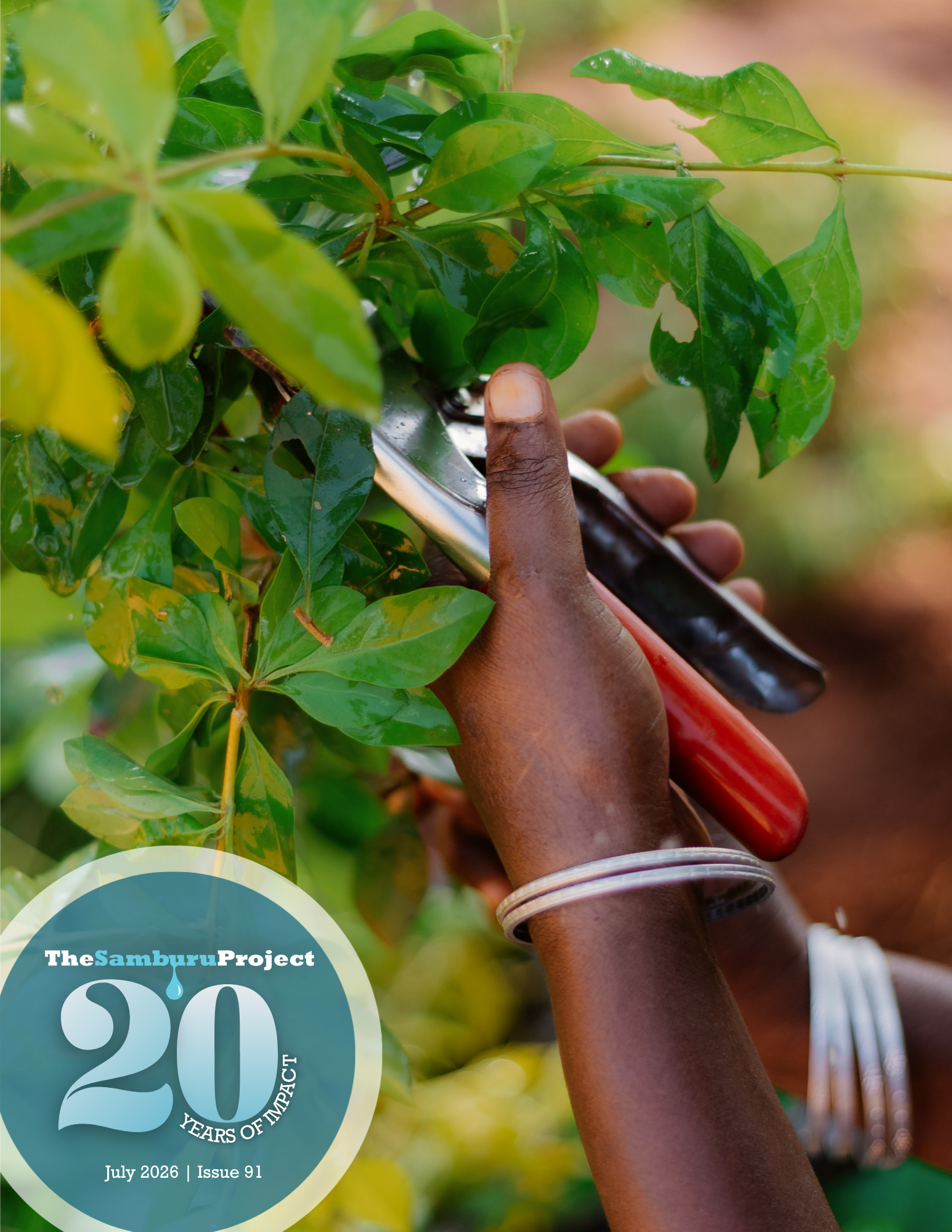
JULY 2026
LEARNING FROM THE GARDEN
For generations, the Samburu people have relied primarily on livestock to sustain their families. But as droughts become more frequent and rainfall less predictable, grazing lands shrink and water sources dry up. Learn how we partner with schools to teach agriculture and self-sufficiency…
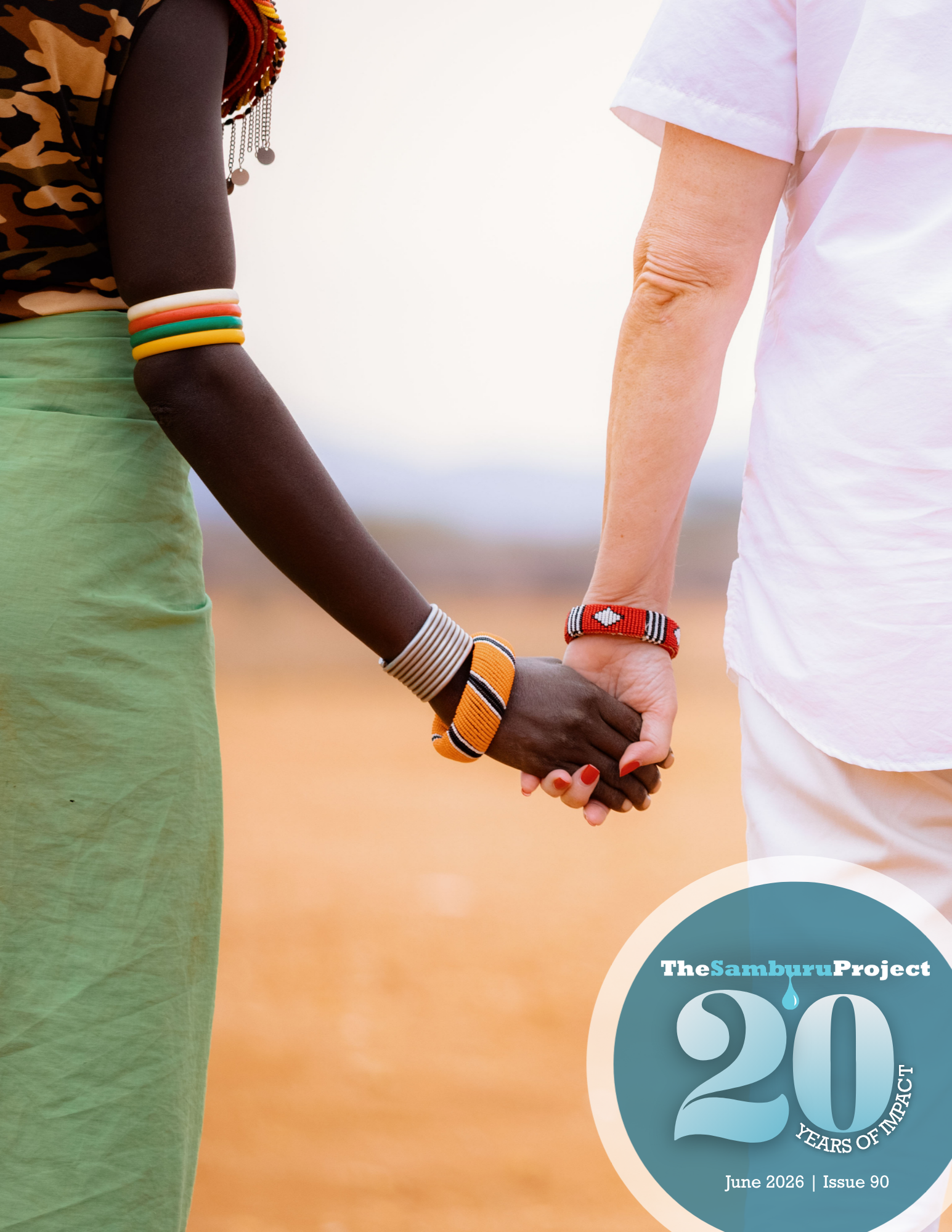
JUNE 2026
TRAVEL, TOURISM, AND THE POWER OF CONNECTION
Summer is the season of movement. People travel farther, new landscapes are explored, and connections are formed across places that might otherwise feel distant. In Kenya, that movement carries a deeper layer of meaning - it is also a system that can support conservation efforts…
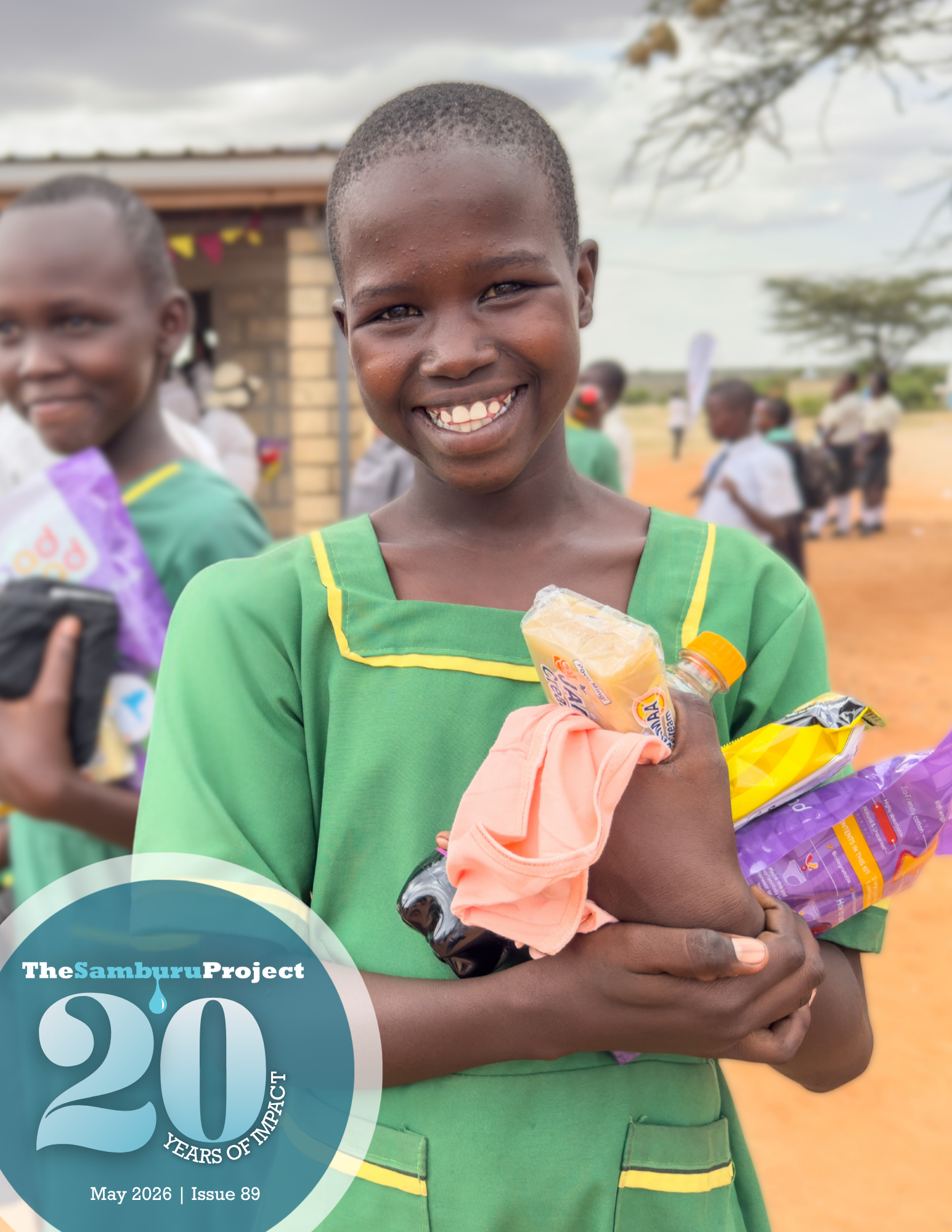
MAY 2026
Improving health, period
As a women-led organization, this time of year is a chance for us to shine a light on something that is universal: menstruation. In 2014 and 2015, our partners saw improved attendance with access to clean water. But even with water access, one barrier persisted…