
As a women-led organization, this time of year is a chance for us to shine a light on something that is universal: menstruation.
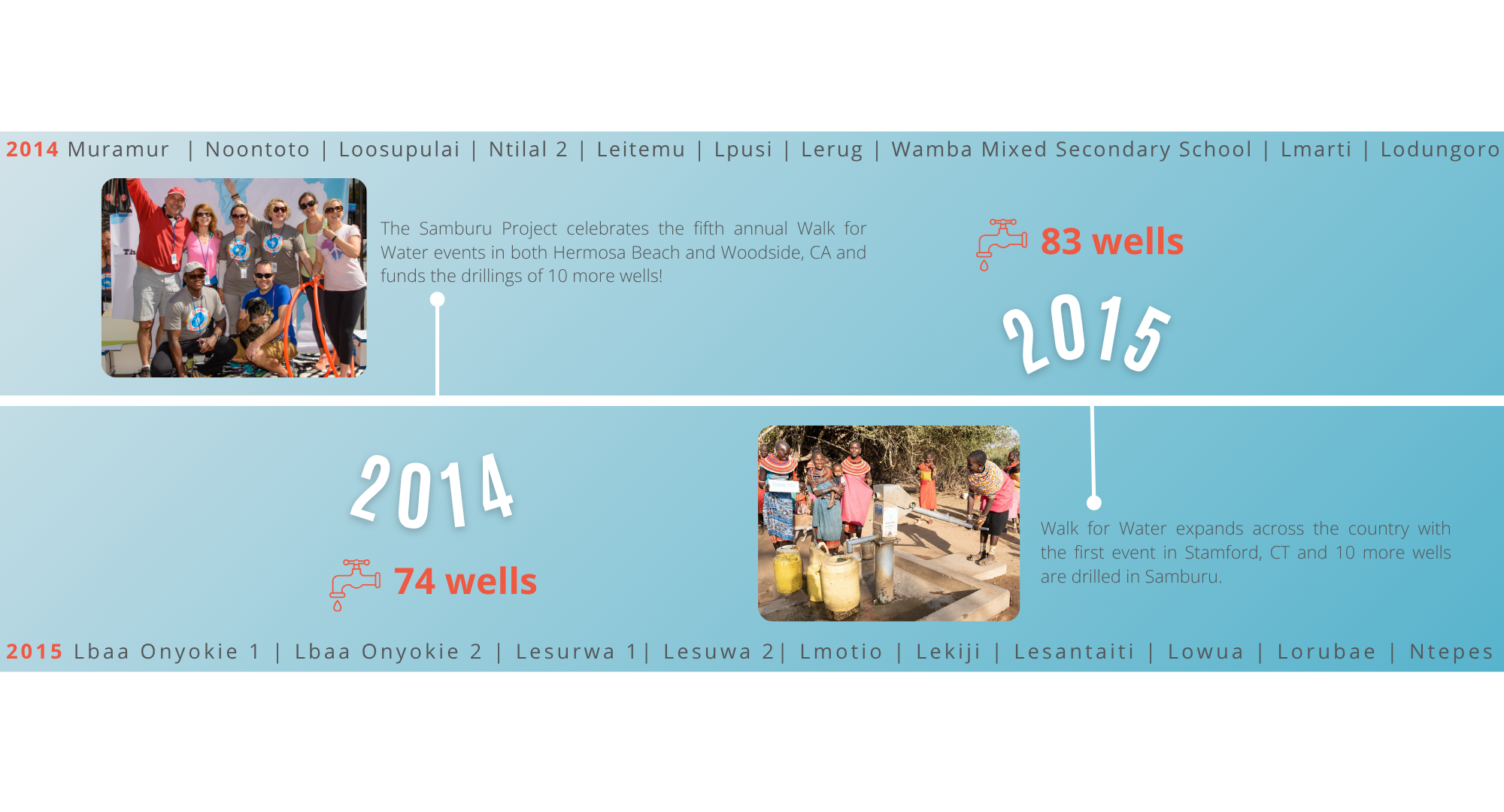
As we revisit the years 2014–2015, we are reflecting on a period of growth for The Samburu Project- when 19 wells were drilled across Samburu, bringing clean water access to 14,830 more people.
Behind that number are families whose daily rhythms forever changed. For many young girls, it meant time returned to their day - time that could finally be spent in classrooms instead of on long walks in search of water. In rural communities like Samburu, girls are often the most impacted by the burden of water collection, spending hours each day collecting water before school even begins.
Our community partners from 2014 and 2015 included schools like Wamba Mixed Secondary School and Lorubae Primary School, where access to clean water helped create healthier learning environments and made it possible for more girls to attend school consistently. And yet, even as water access nearly doubled attendance, another barrier remained quietly present in the background of school life: menstrual hygiene.
In rural Samburu, menstrual health is still rarely spoken about openly. Menstruation is a hidden burden, surrounded by quiet discomfort and long-held stigma. Because of this, many girls experience their first period without any prior knowledge, support, or even language to talk about what is happening to their body. Globally, 1 in 10 girls miss school during menstruation, and in rural settings like Samburu, girls can miss up to 60 days of school a year due to period-related challenges, including lack of menstrual products and limited sanitation.
For many girls, that silence is heavy. It can mean staying home, falling behind in class, or quietly trying to manage something deeply personal without support - with some girls forced to rely on unsafe materials such as plants and dirty rags or, in desperate circumstances, exchange sex for menstrual products.
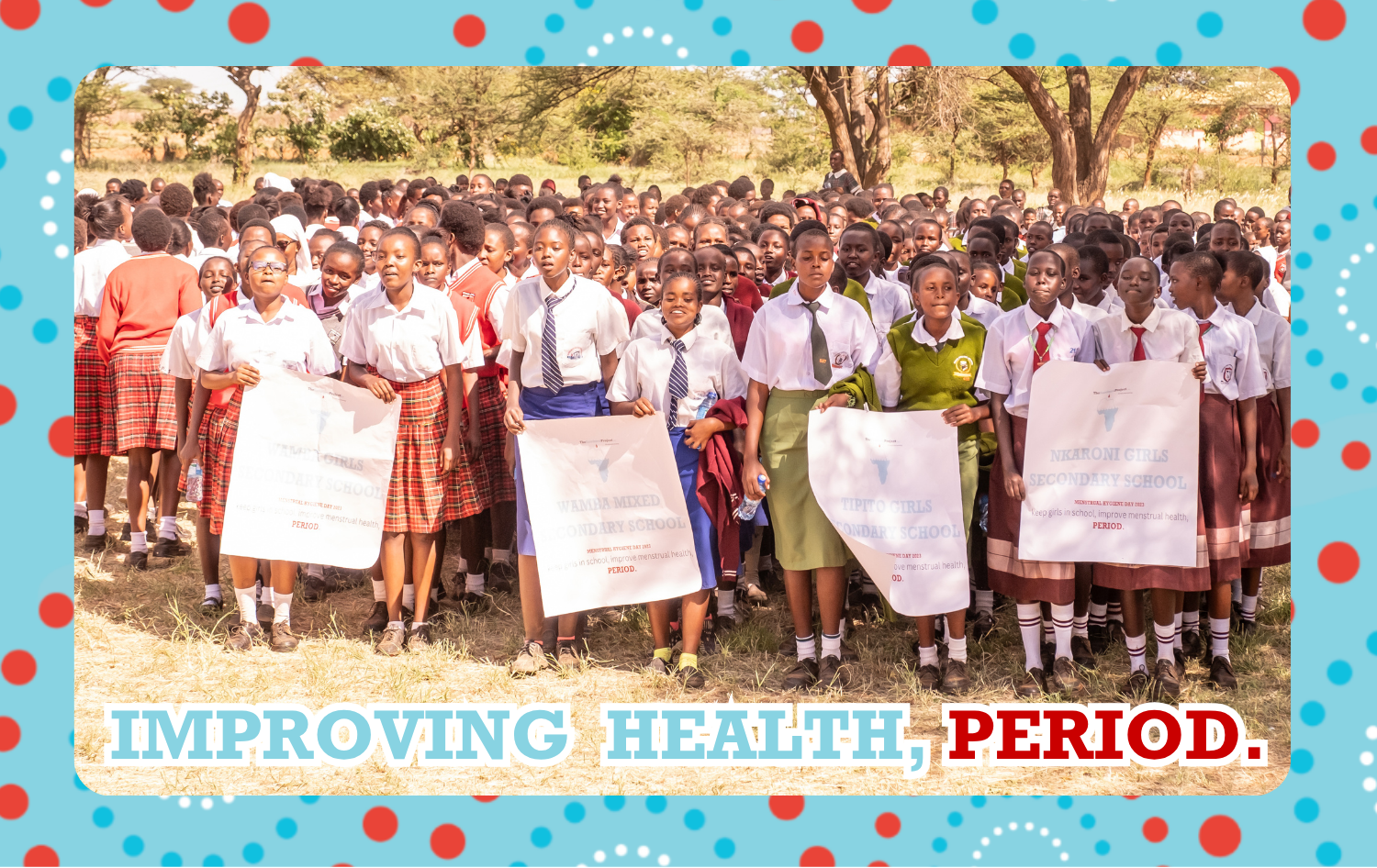
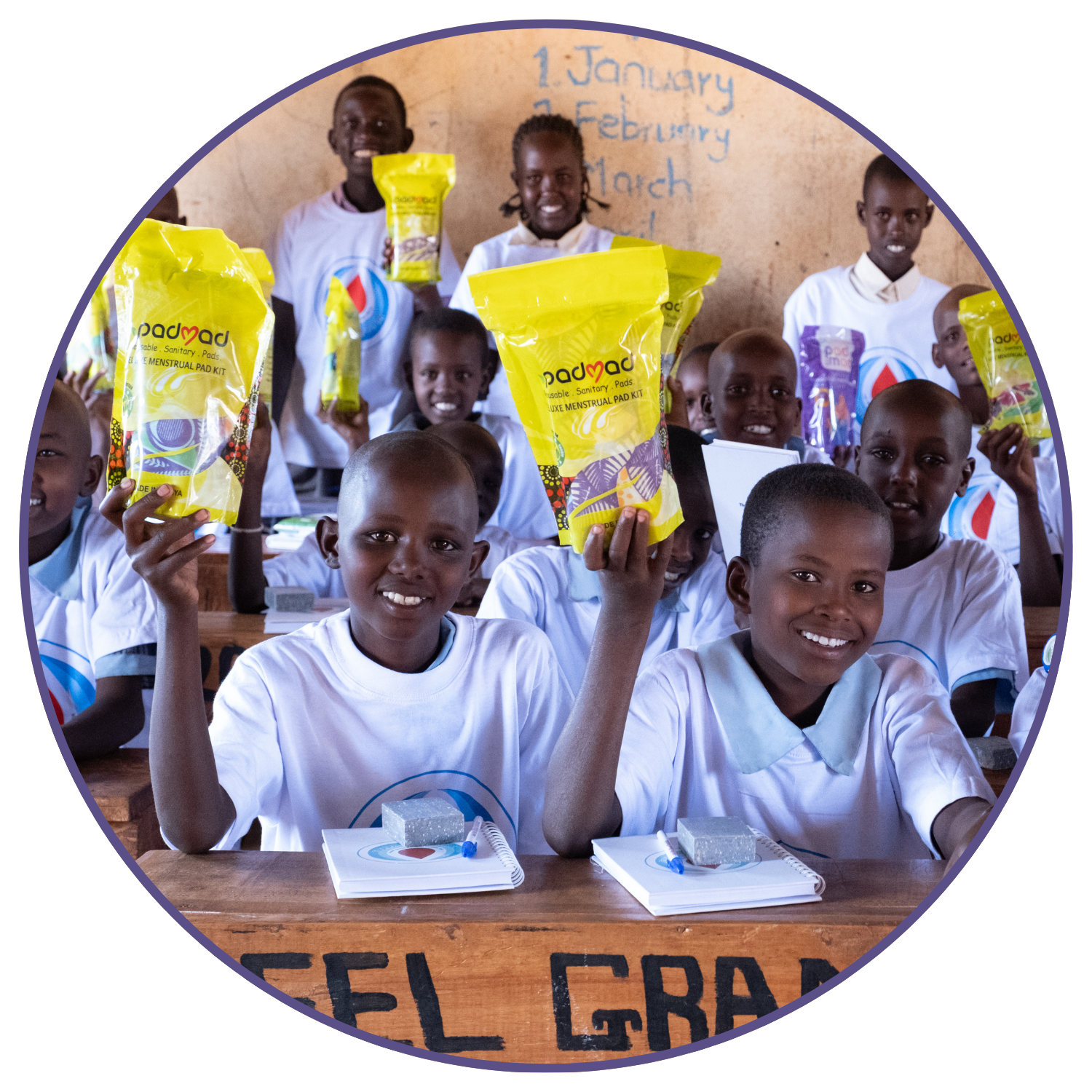
That’s why, in May 2019, The Samburu Project expanded our work to include menstrual hygiene programming at schools like Wamba Mixed. We started with de-stigmatizing menstrual health, encouraging conversations, and providing reusable menstrual kits.Since then, our efforts have grown into a program reaching thousands of girls across Samburu - and just as importantly, bringing boys, teachers, and entire school communities into the conversation.
Today, we see students learning not only how to manage their menstrual health, but how to speak about it with confidence, support one another, and challenge stigma that has existed for generations.

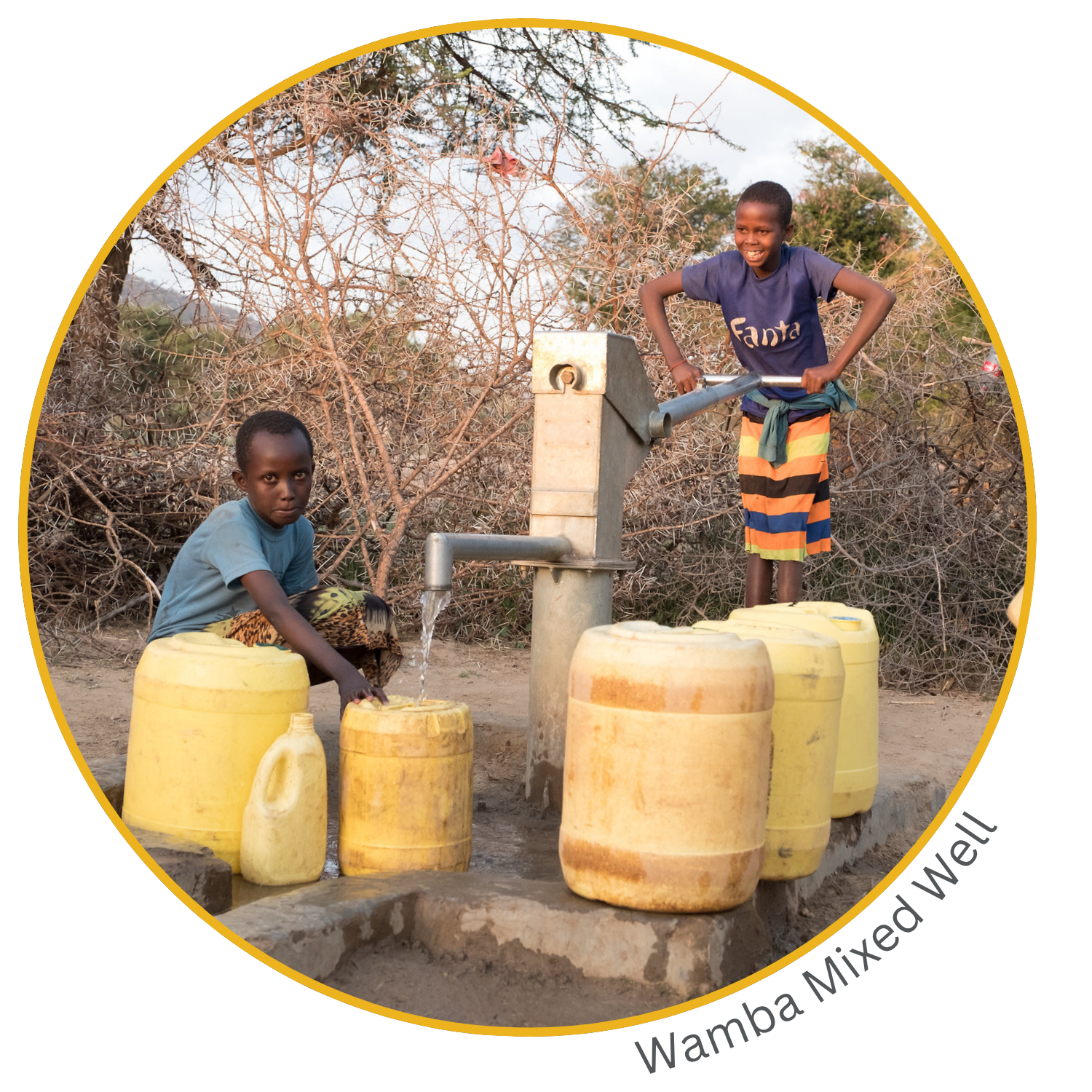
Wamba Mixed was drilled in 2014 - and it serves Wamba Mixed Secondary School, one of the first schools where menstrual hygiene programming was introduced. Today, students like Sarah Leramato are experiencing what happens when clean water, education, and menstrual health support come together.
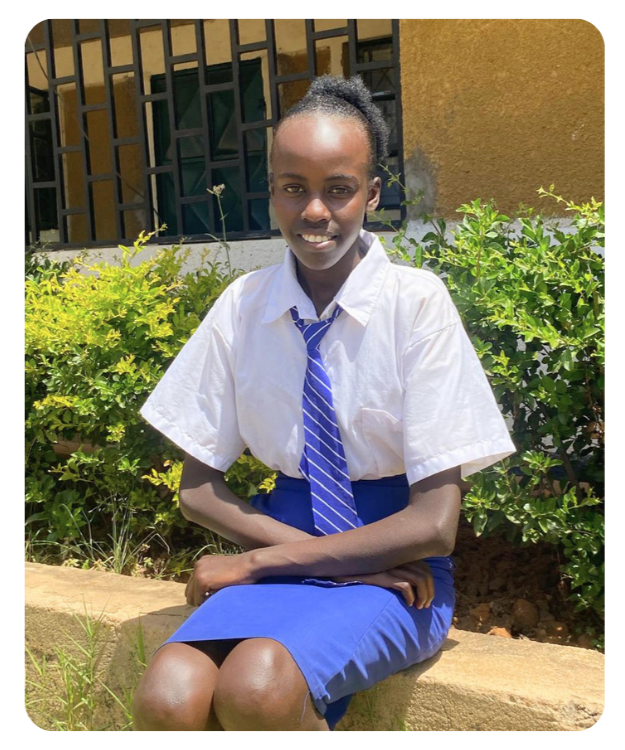
Meet Sarah - a Form 3 student at Wamba Mixed. Each morning, she wakes up early and walks nearly 5 kilometers to school alongside her brother and cousin. Before leaving, they spend time discussing lessons from the previous school day together. Despite the long walk and early mornings, Sarah speaks proudly about her school community.
“My school is the most performing school in Samburu East,” she shared. “I am proud of my Principal, he’s a…good leader. I am also proud of my teachers and school.”
At school, access to clean water has transformed daily life for students. Water is now available for drinking, cooking, bathing, and even farming - creating a healthier and more supportive learning environment. Sarah also spoke openly about the impact menstrual hygiene education has had on girls at Wamba Mixed.
“Menstruation is power. We are special, that makes us different from boys,” she said.
Through the program, students have learned about menstrual products like reusable pads and menstrual cups, while helping reduce stigma around periods for both girls and boys.
“It is important for boys to learn about menstrual health because they will then understand the journey,” Sarah explained. “They have sisters, girls at school, and in future they will have families, wives, and daughters.”
She says the program has helped girls feel more comfortable and confident at school.
“Having access to pads and menstrual education has helped girls to be comfortable at school,” she shared. “I am able now to stay in class when I am menstruating because I have a menstrual hygiene product [PadMad kit].”
Beyond the classroom, Sarah has seen attitudes toward girls' education begin to shift throughout her community. Families are increasingly supporting girls in pursuing their studies because they have witnessed the success of women who came before them.
As she looks toward the future, Sarah dreams of becoming a doctor. And for girls who still feel afraid or ashamed of their periods, she offers a simple message of encouragement:
“Periods are something natural, so [there is] no need of being afraid. We now have reliable pads, so [there is] no more shame.”
Previous Issues:
APR 2026
STUDENTS UPLIFTING STUDENTS
Every day, women and children in Samburu spend precious hours walking for water - time that could be spent in classrooms, studying, building skills, caring for family, or simply being children. That is why, this month, supporters across California stepped forward at our Walk for Water events…
MAR 2025
Bridging oceans, Building Access
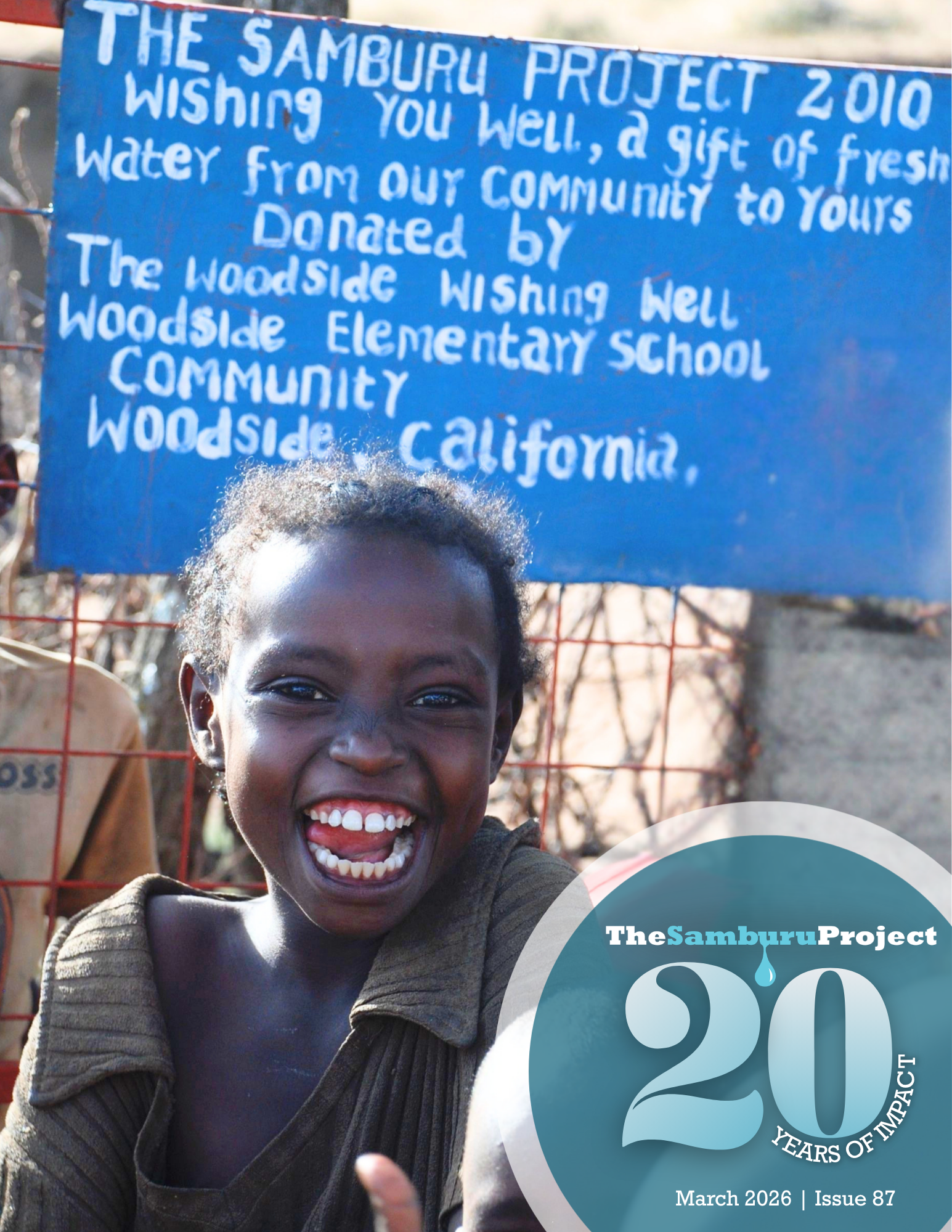
For us, March feels a time to celebrate the power of community - how people coming together locally can create meaningful change that reaches across the globe. In the early years of The Samburu Project, neighbors and supporters joined forces to support families in Samburu…
FEB 2026
Beyond well drill - a lasting comittment
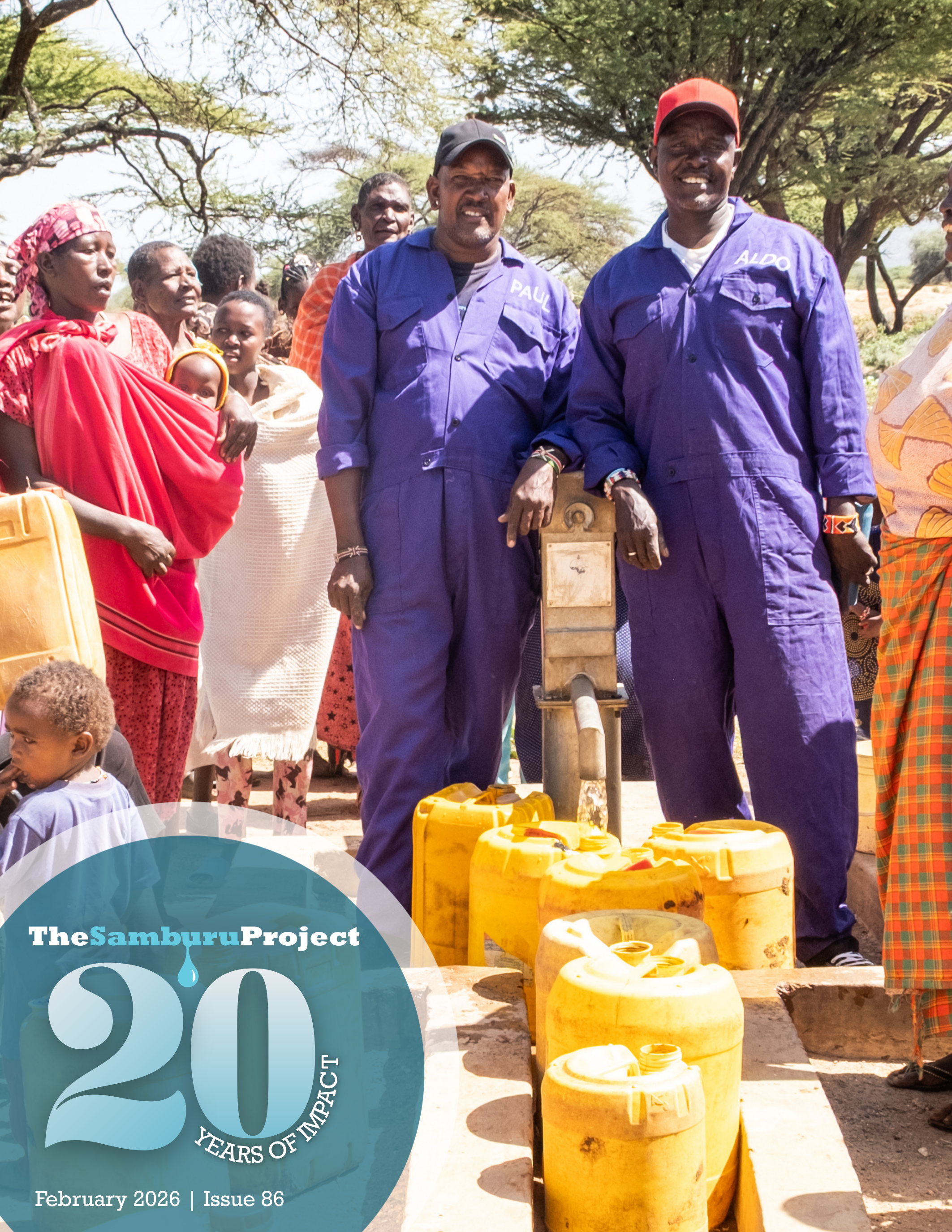
To TSP, true sustainability means showing up long after construction at our well communities is complete. It means returning, listening, repairing, and strengthening local leadership. Learn how help communities build the knowledge and systems to sustain their water sources for the long-term.