
Photography by Mamen Saura

At The Samburu Project, our work has never been just about drilling wells. While that is the foundation of our work, it is not the finish line - our work is truly about sustaining the communities we serve for the long term.
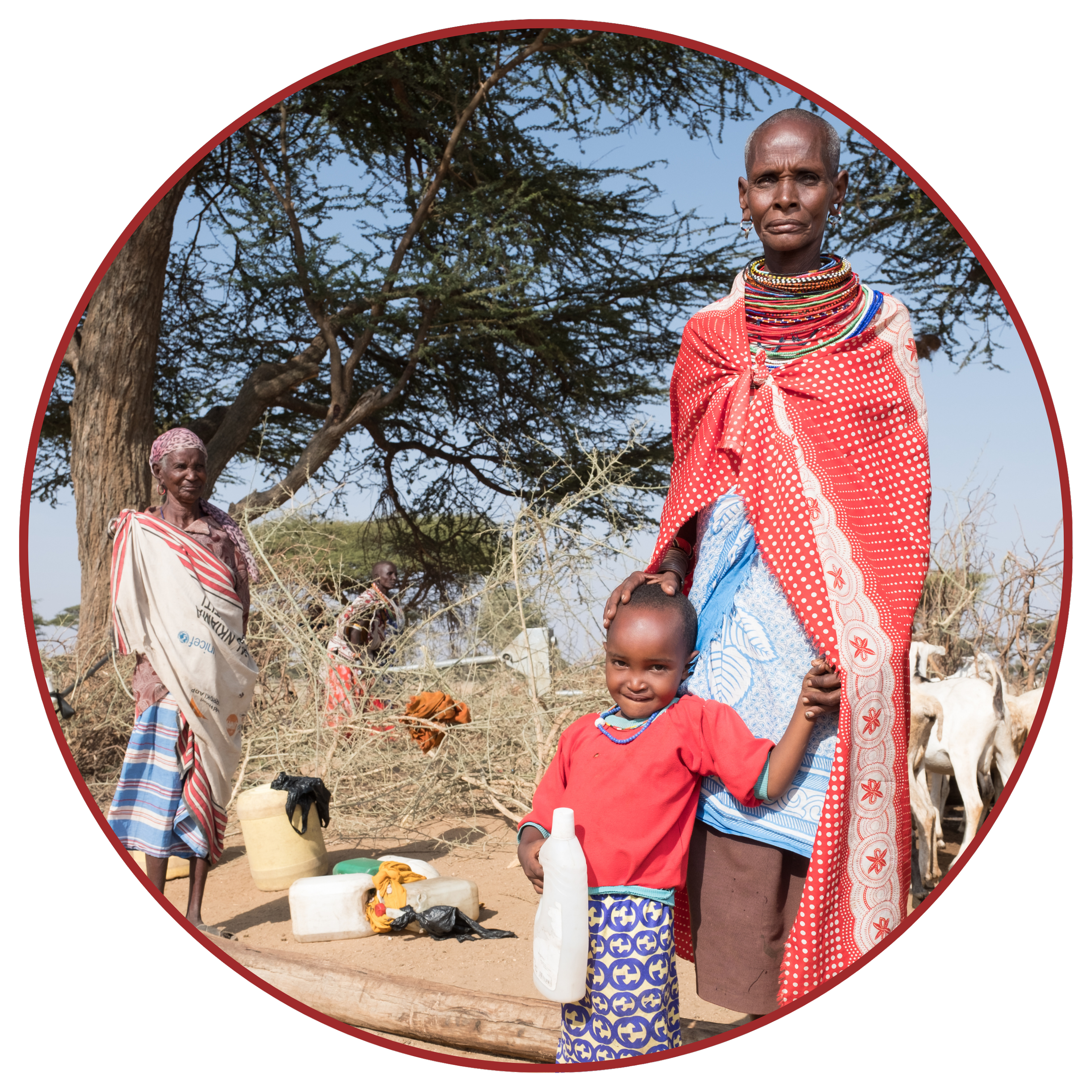
True sustainability means showing up long after construction is complete. It means returning, listening, repairing, and strengthening local leadership. Most of all, it means building partnerships that last for decades - not just months.
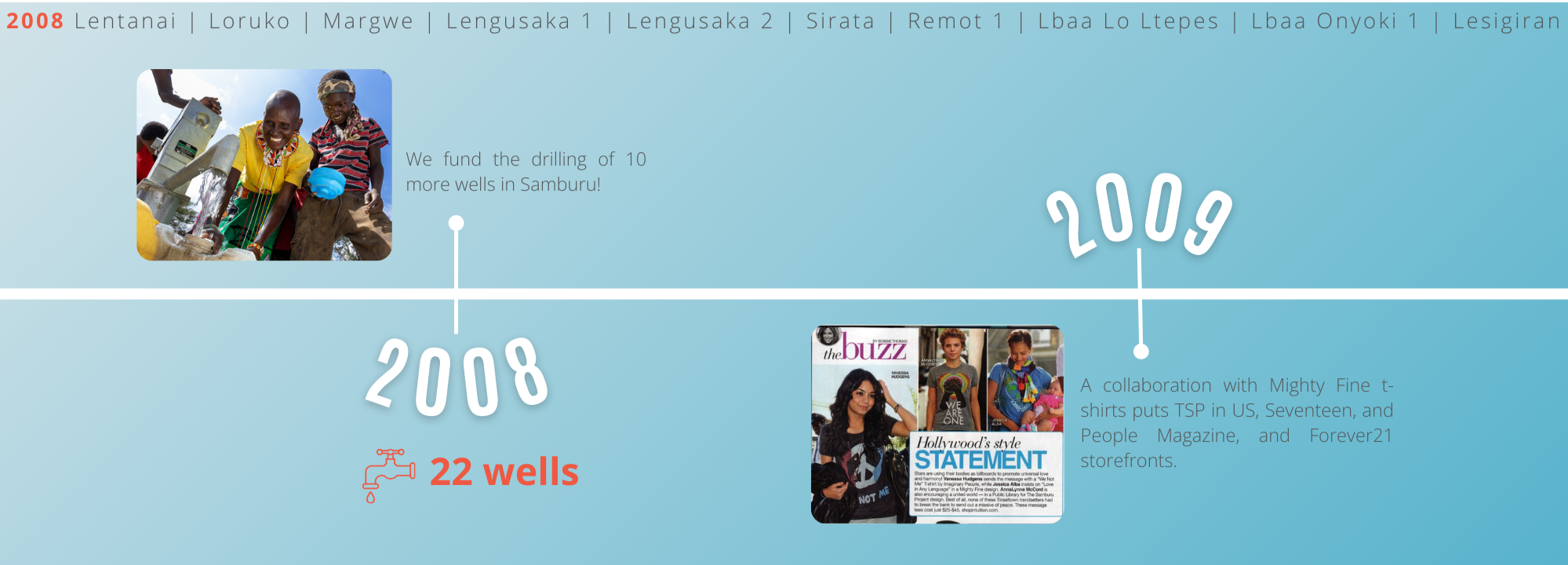
This month, we’re shining a light on an often unseen but essential part of our mission: well repair and continued community engagement. As we continue moving through our timeline, 2008 marks the next chapter we’re reflecting on - our third year as an organization.
In 2008, we drilled 10 wells that continue to serve approximately 4,250 people today. Over time, 4 of these wells required full replacement to continue functioning, 2 wells are currently no longer operational, and the remaining wells continue to provide safe water daily.
This is the reality of infrastructure in remote regions. Hand pumps endure constant, heavy daily use. Parts wear down, seals loosen, and metal components corrode. During heavy rains, flooding can damage systems, and at times even elephants (also searching for water!) can trample pump structures.
What Well Maintenance Looks Like
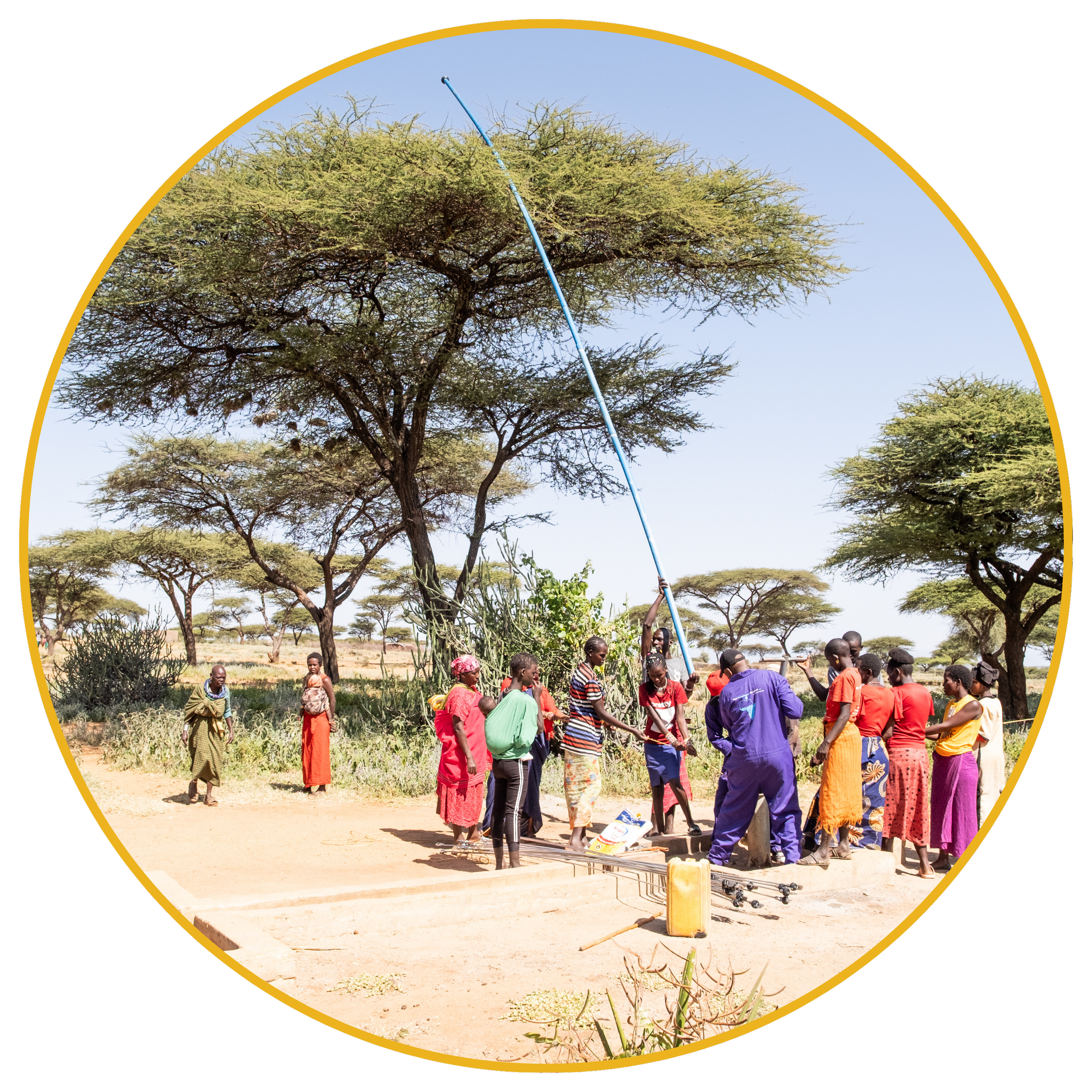
When a well needs attention, the process of restoring it is deeply collaborative, relying on partnership between communities and our team. From the very beginning, it’s important to recognize a core principle of our work: the wells belong to the communities they serve. Our role is to help communities build the knowledge and systems to sustain their water sources for the long-term.
Each community identifies three members to serve on the well maintenance committee. During the drilling process, these members are trained on how to properly care for the well, monitor its condition, and perform small repairs when issues arise. To support this system, we also use a digital monitoring app that allows our team to track the status of every well. This real-time tracking ensures that we can respond quickly and prioritize maintenance needs across this remote region.
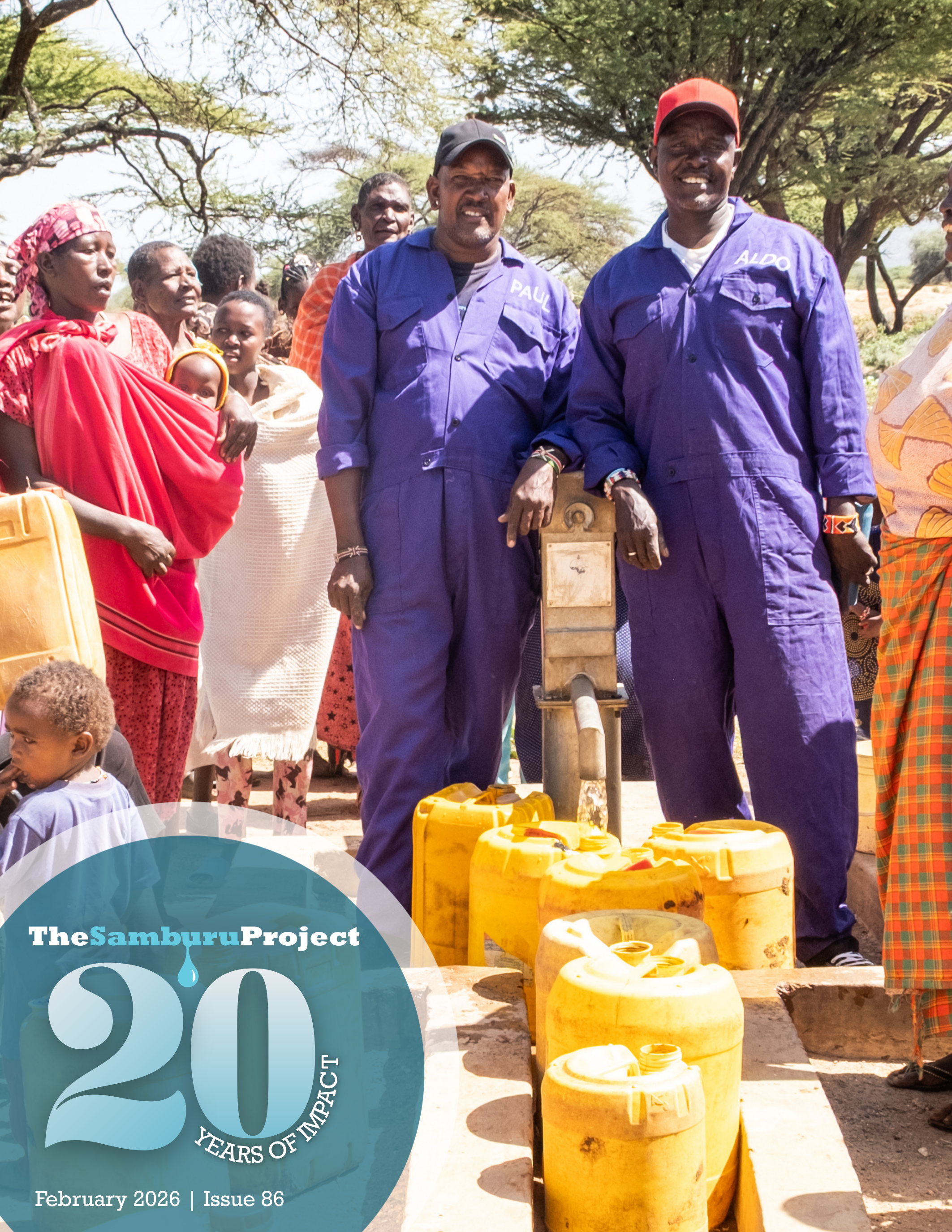
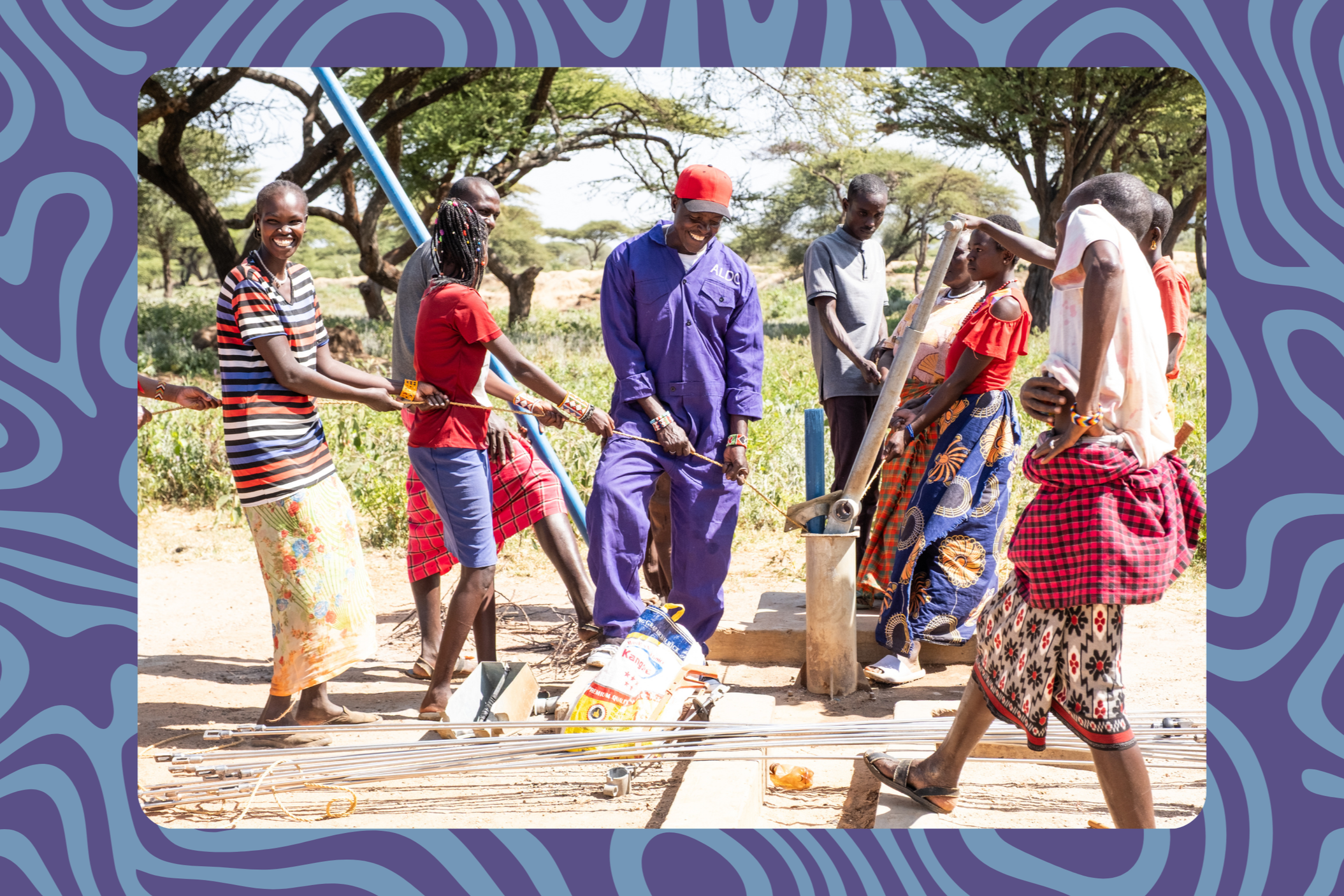
Even with strong local stewardship, ongoing partnership with our team remains essential. At the heart of this work are Aldo Lesuutia and Paul Lekuuk, and Ezekial Lalaishimi who comprise the TSP Well Repair and Maintenance team. Together, they travel long distances across challenging terrain on their motorbikes to inspect every well at least twice a year to monitor conditions, and if needed, diagnose issues and guide repairs. Their work is both technical and relational; from disassembling heavy hand pumps under intense heat to coaching community committees on long-term care.
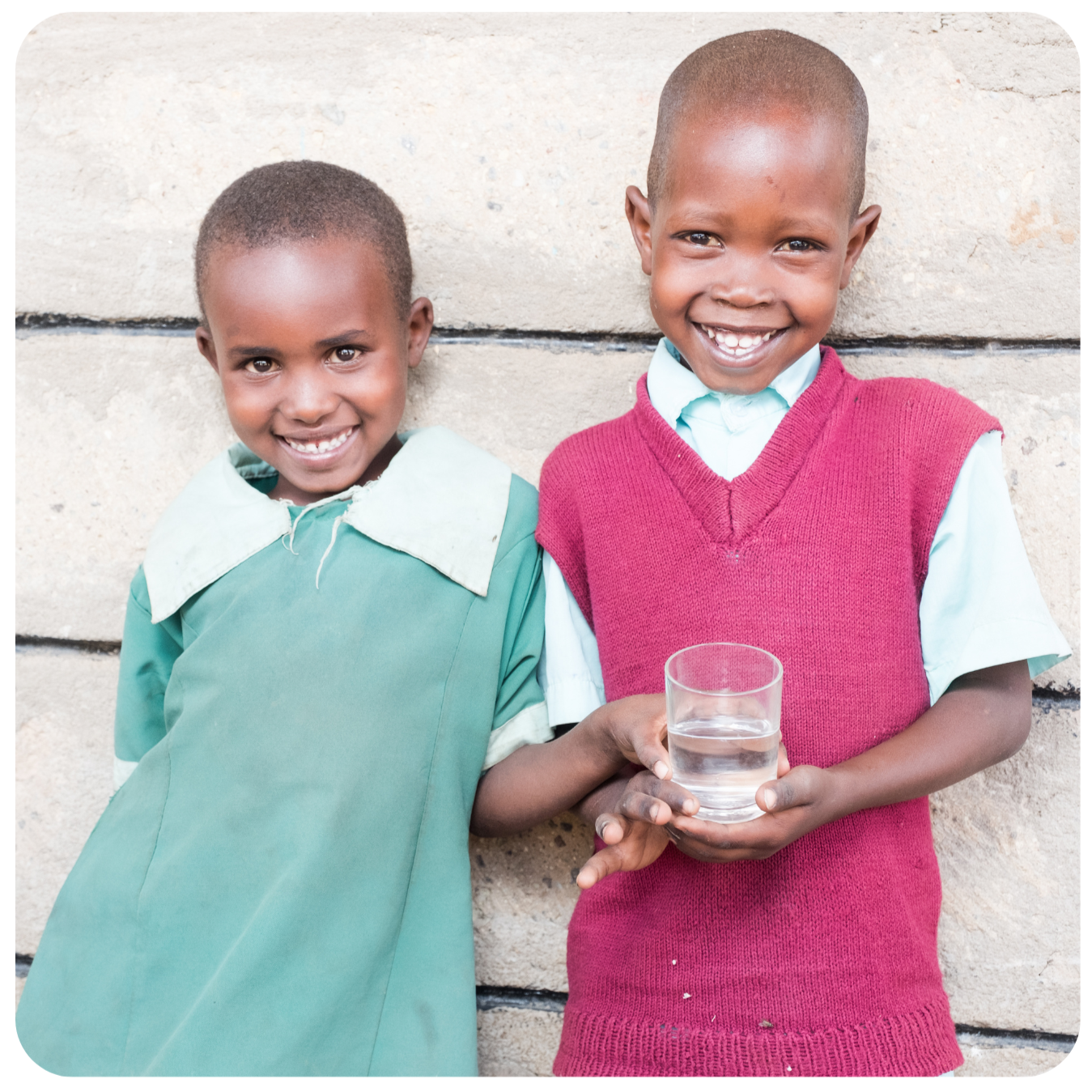
Lentanai/Ntepes well was first drilled in 2008. Six years later, it was washed away by flash floods. Thankfully, our team was there to work with the community and successfully replaced the well. Today, Lentanai/Ntepes well is a powerful example of sustainability in action. Rather than a one-time intervention, this well represents an ongoing commitment to maintaining safe, dependable water so the community can continue to thrive for years to come.
In addition to the community, the well serves Lentanai Preschool. Because the water source has remained reliable, enrollment at Lentanai has grown to 330 children. Illness rates have declined, hygiene has improved significantly, and students now drink clean water daily - many even able to bathe before coming to school. The stability of access has allowed the school to grow with confidence, expanding from three classrooms to six and increasing grade levels from Grade 3 to Grade 6.
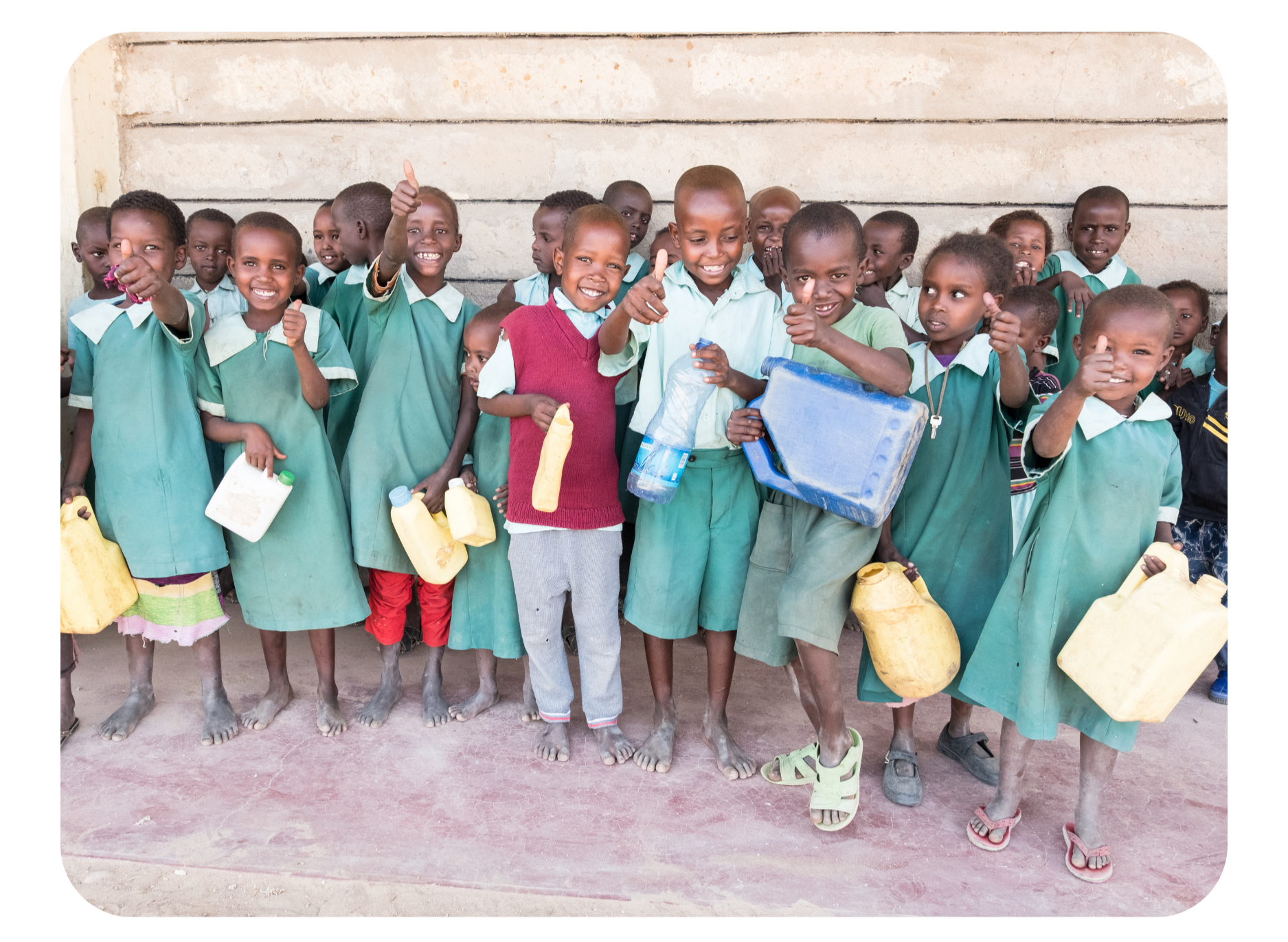
The distance children walk for water has been reduced from 5 kilometers to just 1 kilometer, freeing up time and energy for learning. With healthier students and consistent water access, school life has flourished, introducing athletics, ball games, and drama activities. Looking ahead, the school hopes to start a vegetable garden - another step toward self-sufficiency and resilience.
The story of Ntepes is not just about water flowing today, but about ensuring it continues flowing tomorrow - sustaining education, health, and opportunity for the entire community.
Previous Issues:
JAN 2026
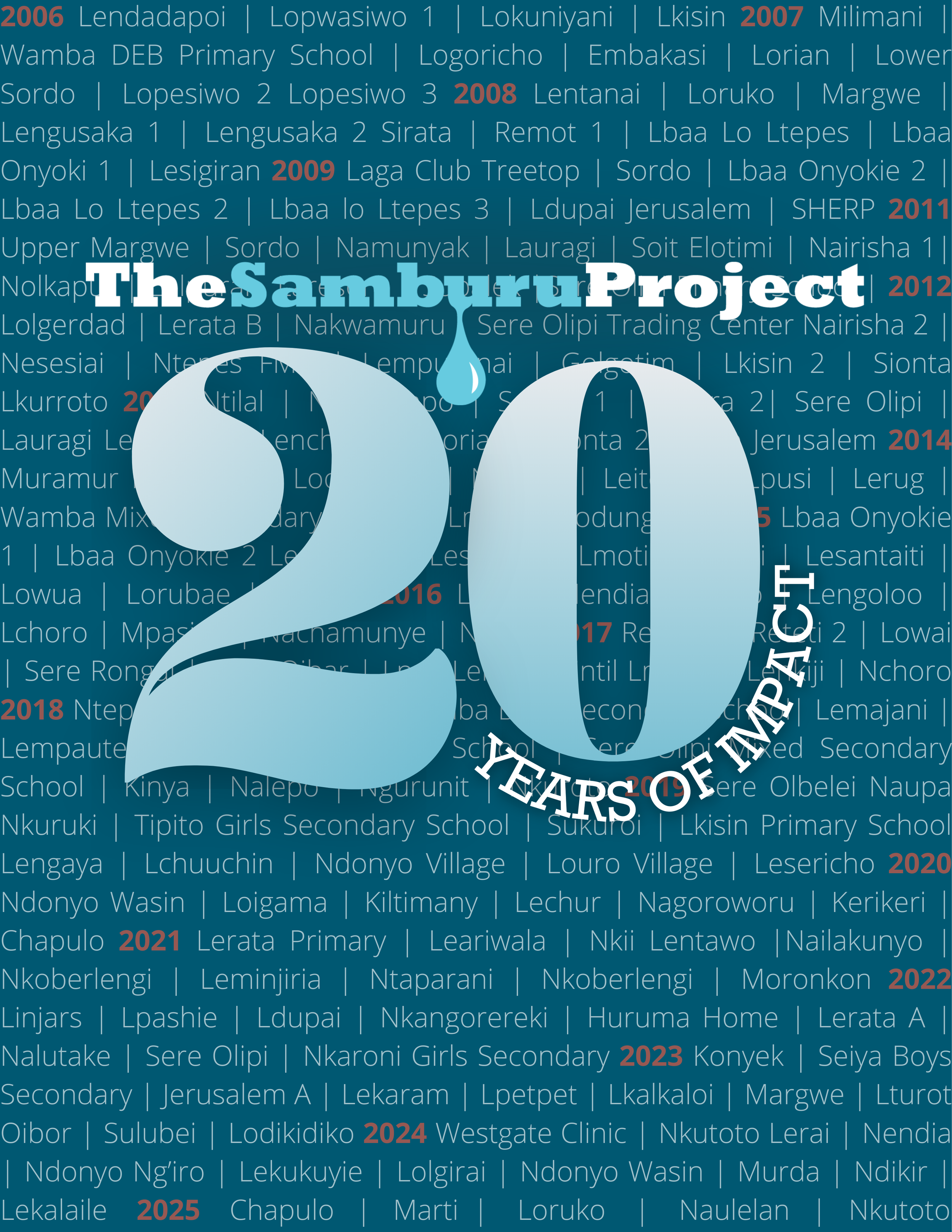
Celebrating 20 years of impact
Founded in 2006, The Samburu Project began with a simple mission: provide clean water so women and families could thrive. As we celebrate 20 years of impact, join us in journeying through the timeline of our wells - and the ripple of transformation they’ve created.
DEC 2025
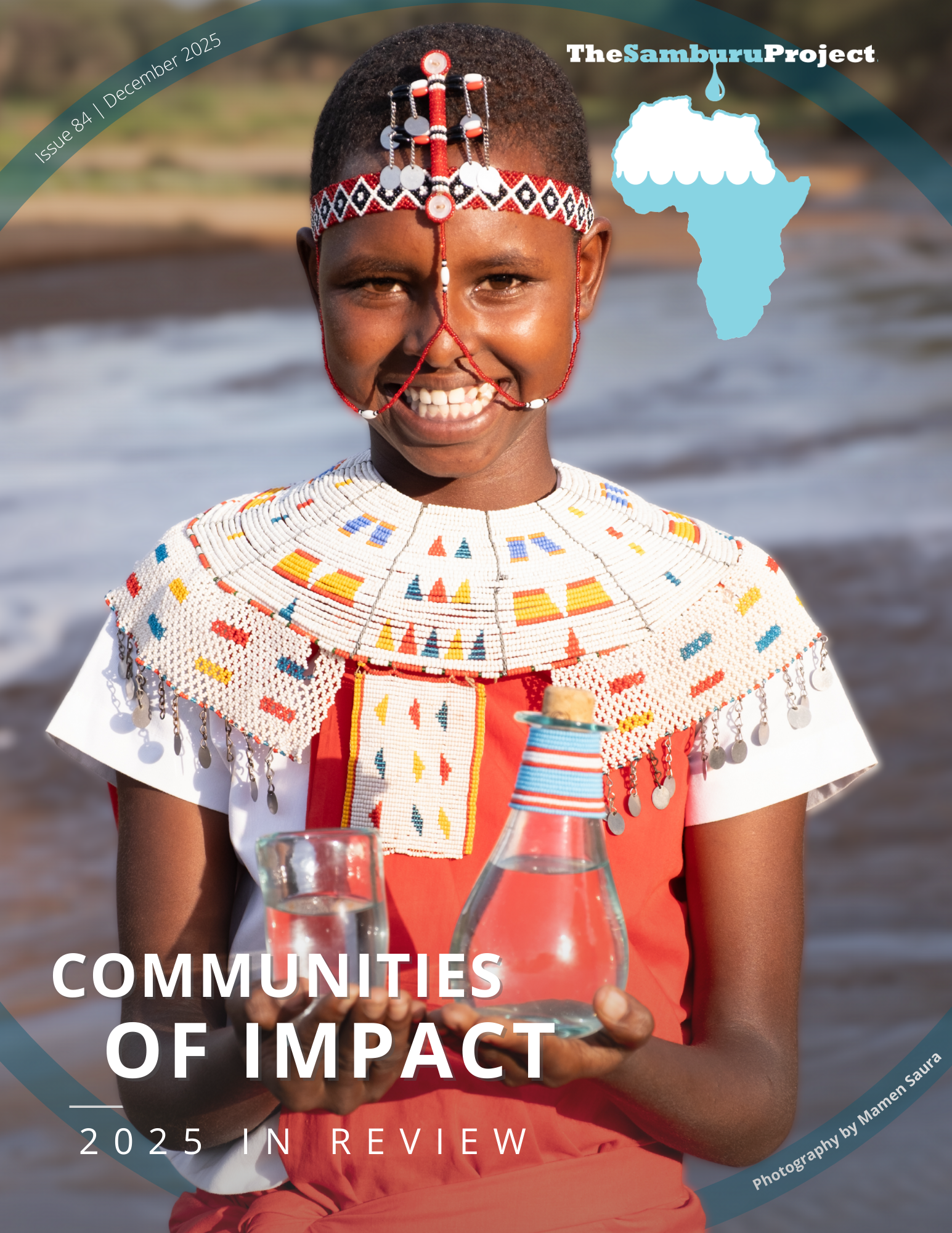
2025 in review
In 2025, The Samburu Project reached new milestones - drilling life-changing wells, strengthening community programs, and expanding opportunities for women and girls. This year-in-review celebrates the collective impact made possible by a global community committed to turning clean water into lasting change.
NOV 2025
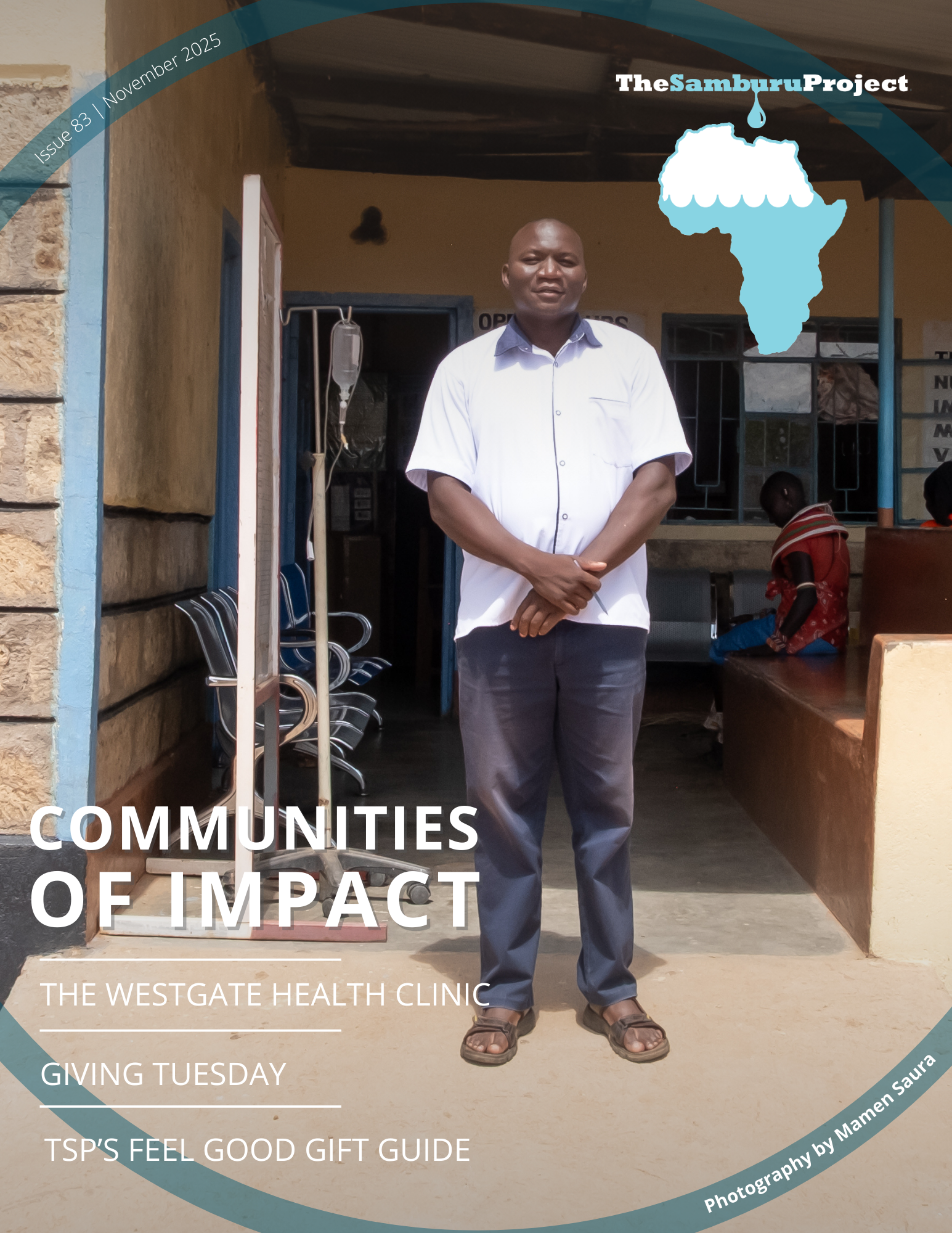
The westgate health clinic
In the heart of Samburu, Westgate Health Clinic stands as the only medical lifeline for miles. And for years it operated without something no health clinic should ever be without: clean water. Read more about Dr. Anthony and how he is committed to serving the people of Samburu.