
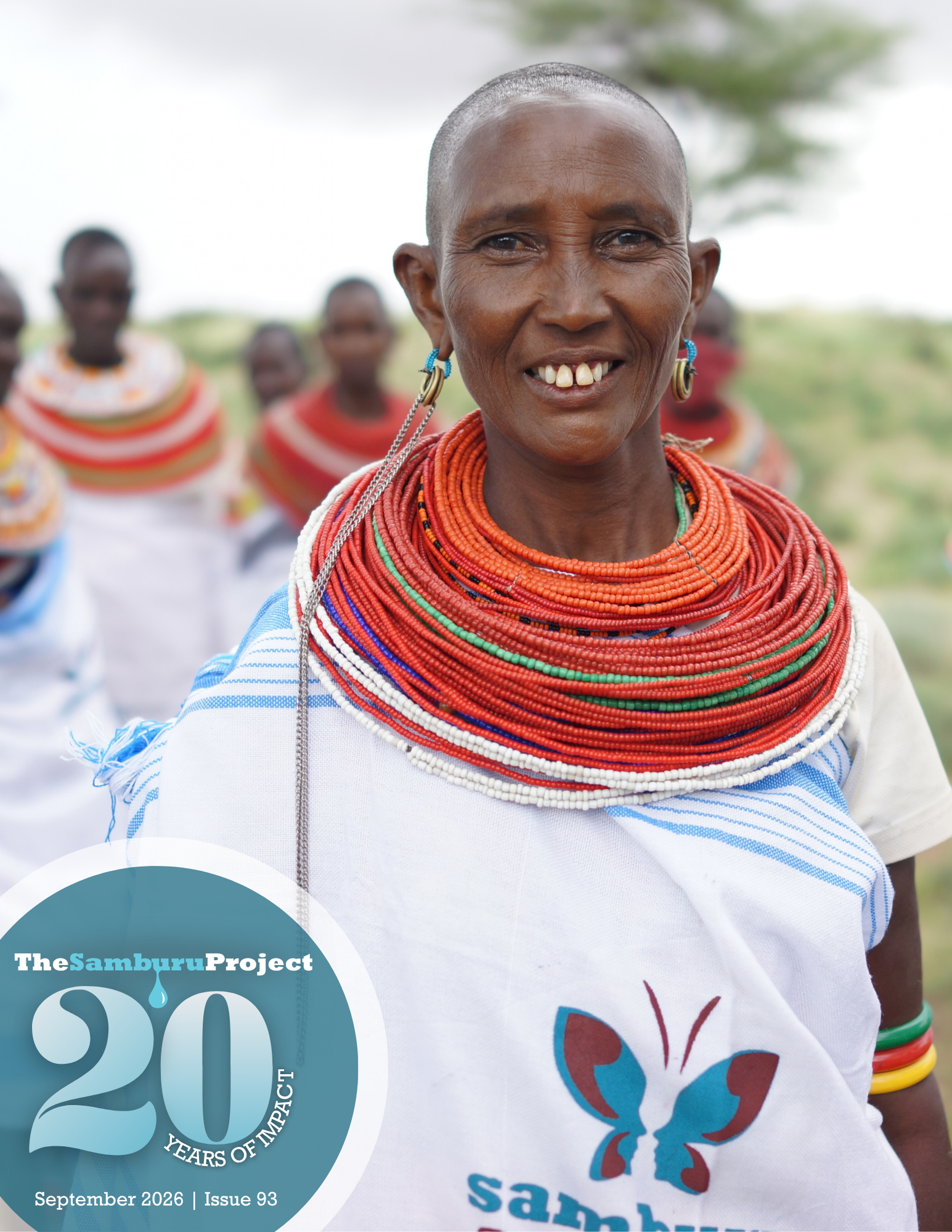
Photograph by Joel Lenkupae
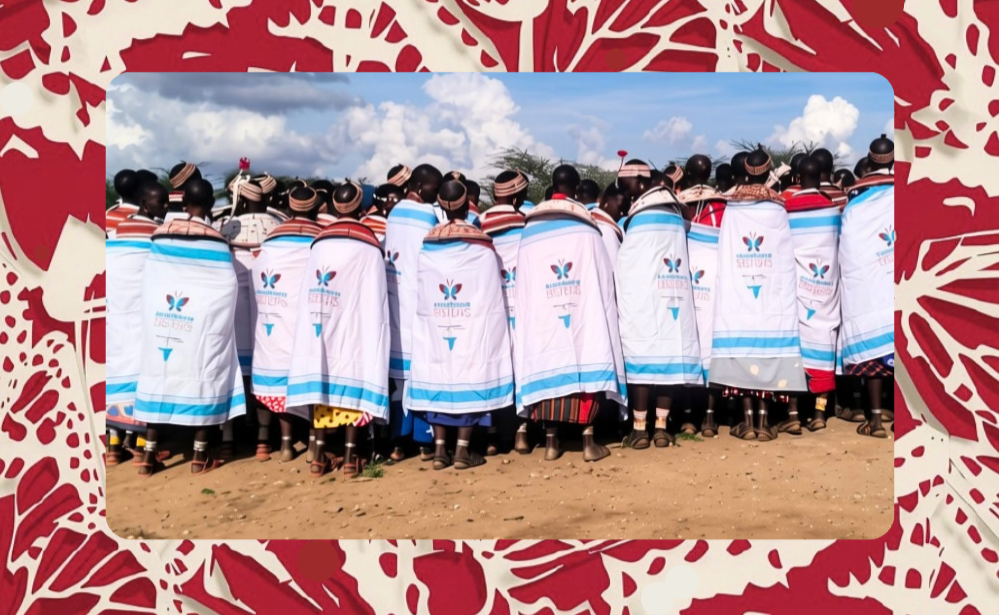

The butterfly has long represented transformation…
the idea that profound change can come from moving through difficult, unfamiliar stages and emerging into something new. In many ways, that mirrors what we’ve seen across Samburu, whose people are sometimes referred to as the “butterfly people” - not only for their colorful, beaded adornments and clothing, but, we like to think, for their resilience and adaptability too.
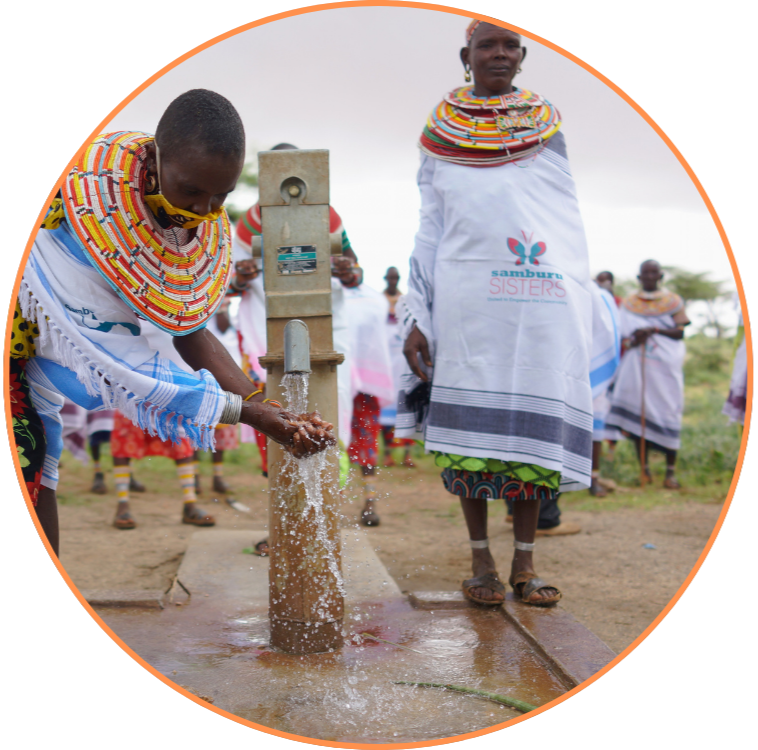
As we continue moving through our 20-year timeline, we arrive at 2020 and 2021 - two years that look very different from what came before and what we know now. The world was navigating the uncertainty of a global pandemic. In Samburu, communities were experiencing the worst drought in decades with consecutive failed rainy seasons.
Yet, in the middle of it all, our work continued. Over those two years, 17 wells brought clean water closer to communities in Samburu. Five years later, 16 of those wells are still working, 6 of those well communities have participated in our empowerment Samburu Sisters workshops, and 4 have expressed their interest in having one held in their village.
Aside from the measurable impact, we began to see changes that were harder to quantify. A woman who no longer has to plan her day around a long walk for water. A girl who has more time for school. A woman who maybe for the first time, has time to invest in herself and ask: what’s next? This question is at the heart of our Samburu Sisters programming, and where evolution truly took flight.
Samburu Sisters launched in 2017 as a space for women to come together through programming centered around health, leadership, income generation, and connection.
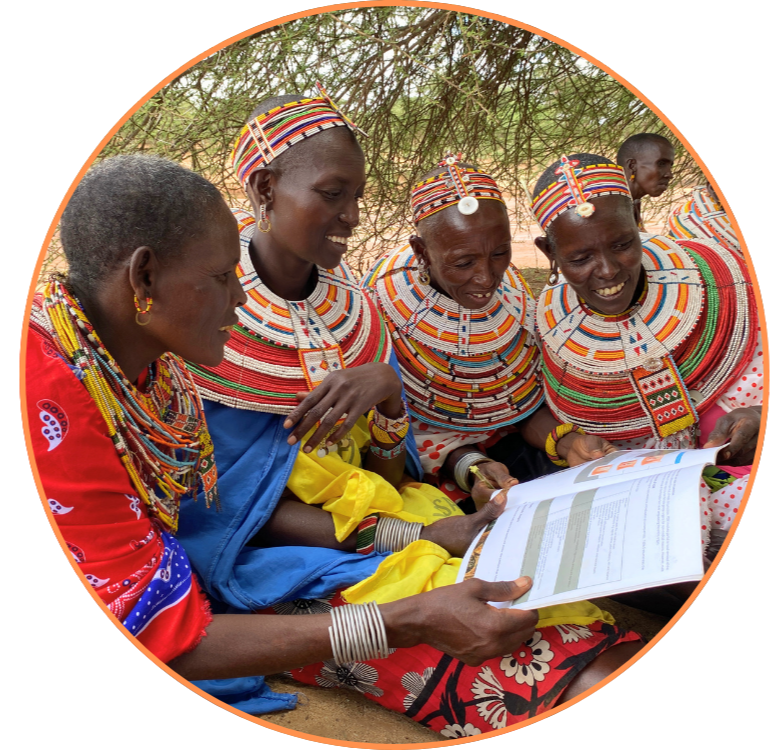
What began as a one-day workshop has grown alongside the women it serves. Today, Samburu Sisters is a two-day immersive experience, and its reach has expanded to include men who are open to understanding the value of empowering the women in their lives.
As the women gathered, the conversations grew too, and we started seeing more communities interested in participating in the program. They wanted to understand the realities and consequences of child marriage and teen pregnancy. They asked questions about HIV/AIDS, including its origins, misconceptions, and prevention. They explored the harmful effects of female genital mutilation, along with menstrual, sexual, and reproductive health. They talked about the importance of education, equality, personal freedom, and women’s leadership within their pastoralist communities.
Now we can see what’s next: Women are launching small businesses. Girls are earning degrees. Families are making more informed health decisions. Longstanding practices that have harmed women and girls are being questioned and challenged as communities navigate a changing world. As the program has grown, the impact continues to grow with it.
There’s a reason why a butterfly became the symbol of the Samburu Sisters. A well brings water, water creates time, time creates opportunity, opportunity creates the space to imagine what can happen next - and, like a butterfly, it all happens in stages.
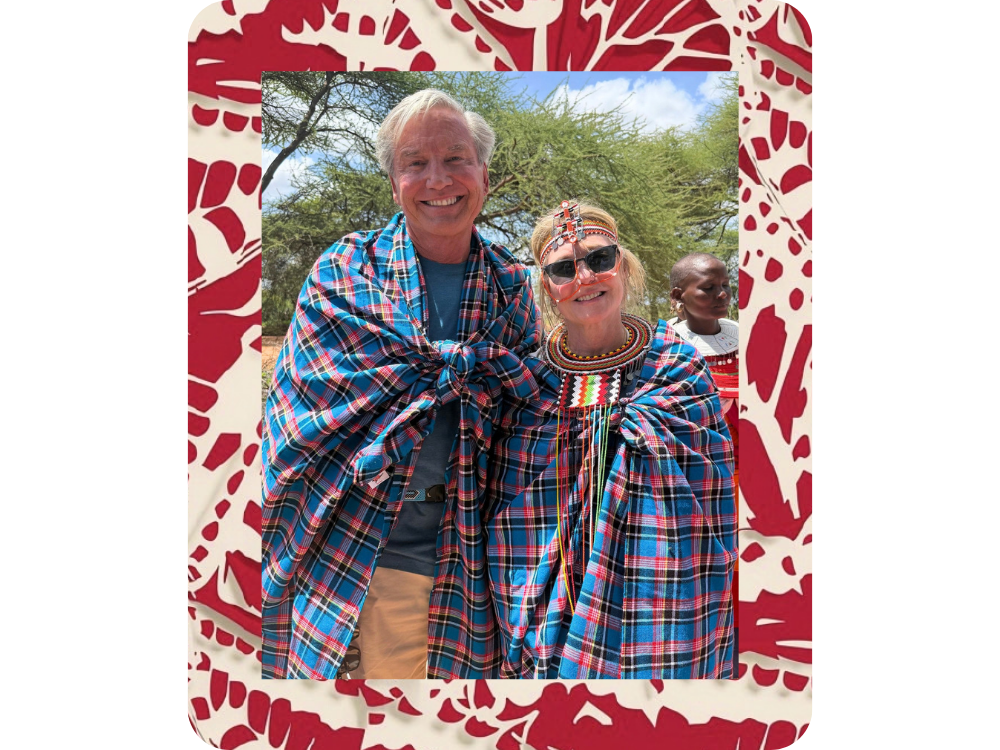
DONOR SPOTLIGHT: THE HORAN FAMILY
For the Horan family, clean water has become a family tradition of sorts! As cousins of longtime board member at The Samburu Project, Bob Falkenberg, they’ve supported TSP by funding seven wells - and counting. Two of those wells were a part of the 2020-2021 period highlighted in this month’s story. They’ve also funded Samburu Sisters workshops for those two communities, plus two additional workshops. This year, the Horans made their first trip to Samburu to celebrate the drilling of their well, Naireri, part of our 2025 well drill. Being there in person gave them the opportunity to see the impact of their generosity firsthand and spend some time with the team who makes this work possible.
WELL DRILL 2025 IS COMPLETE!
We are happy to report that the wells funded in 2025 are all drilled and flowing for their communities! Over the last several months, our team in Kenya has been busy completing necessary community assessments and working alongside our hydrogeologist in the field to identify and drill the 10 new wells - no easy feat considering the remote and rugged terrain of the communities. And drilling is only part of the process. Each well undergoes rigorous testing that needs to be done to ensure safe, potable, and sustainable water flow. One of the year’s bigger projects was the expansion of the Westgate Clinic well, which included the installation of solar panels and hand washing stations at the clinic. Dr. Anthony and his patients are grateful for the upgrades, and know they will benefit the health and well-being of the community for years to come.
Previous Issues:
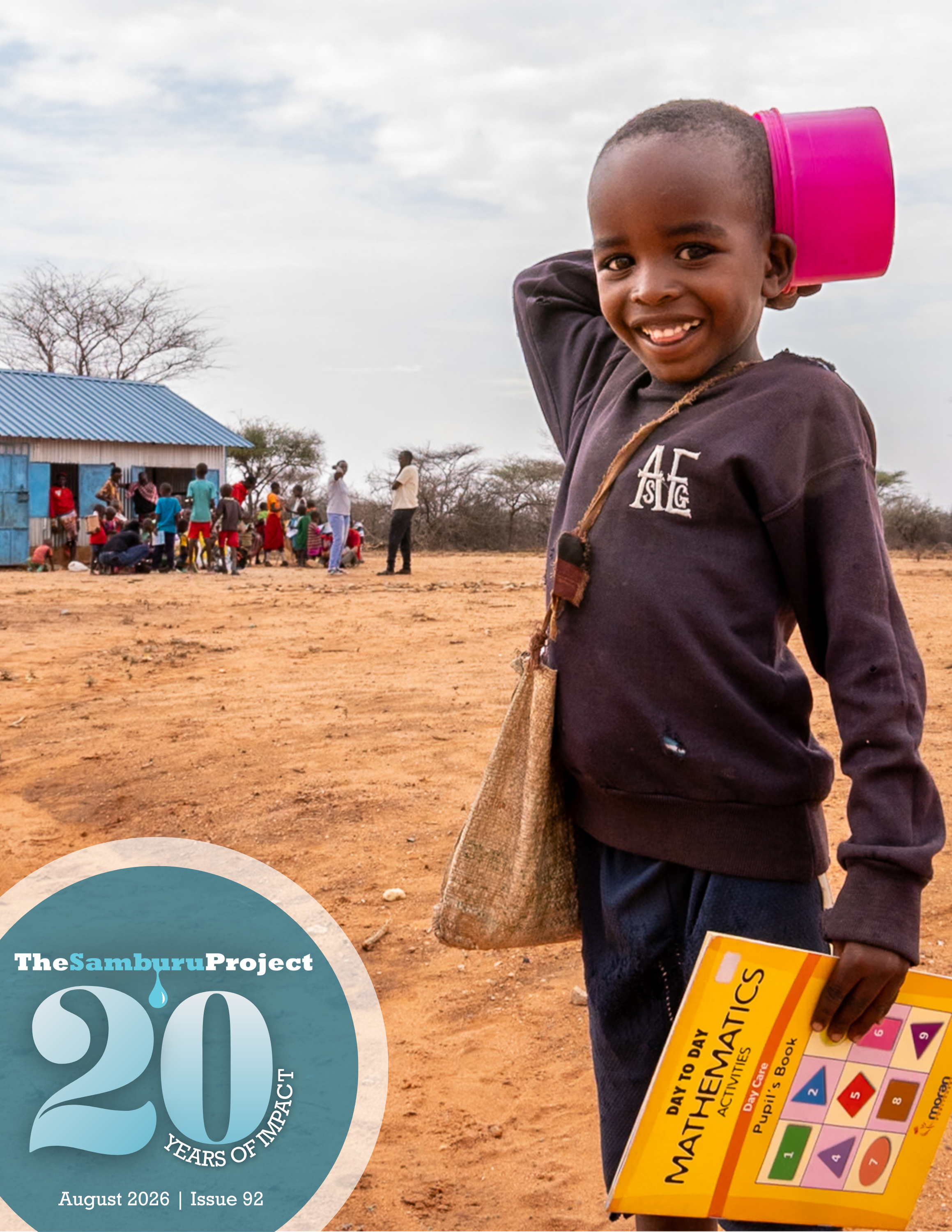
AUG 2026
SCHOOL IS IN SESSION!
From clean water at school to a college degree in nursing, see how access to opportunity can shape a child’s future. In our August newsletter, we’re looking back at 20 years of school partnerships, celebrating a new graduate, and sharing what’s next for students in Samburu.
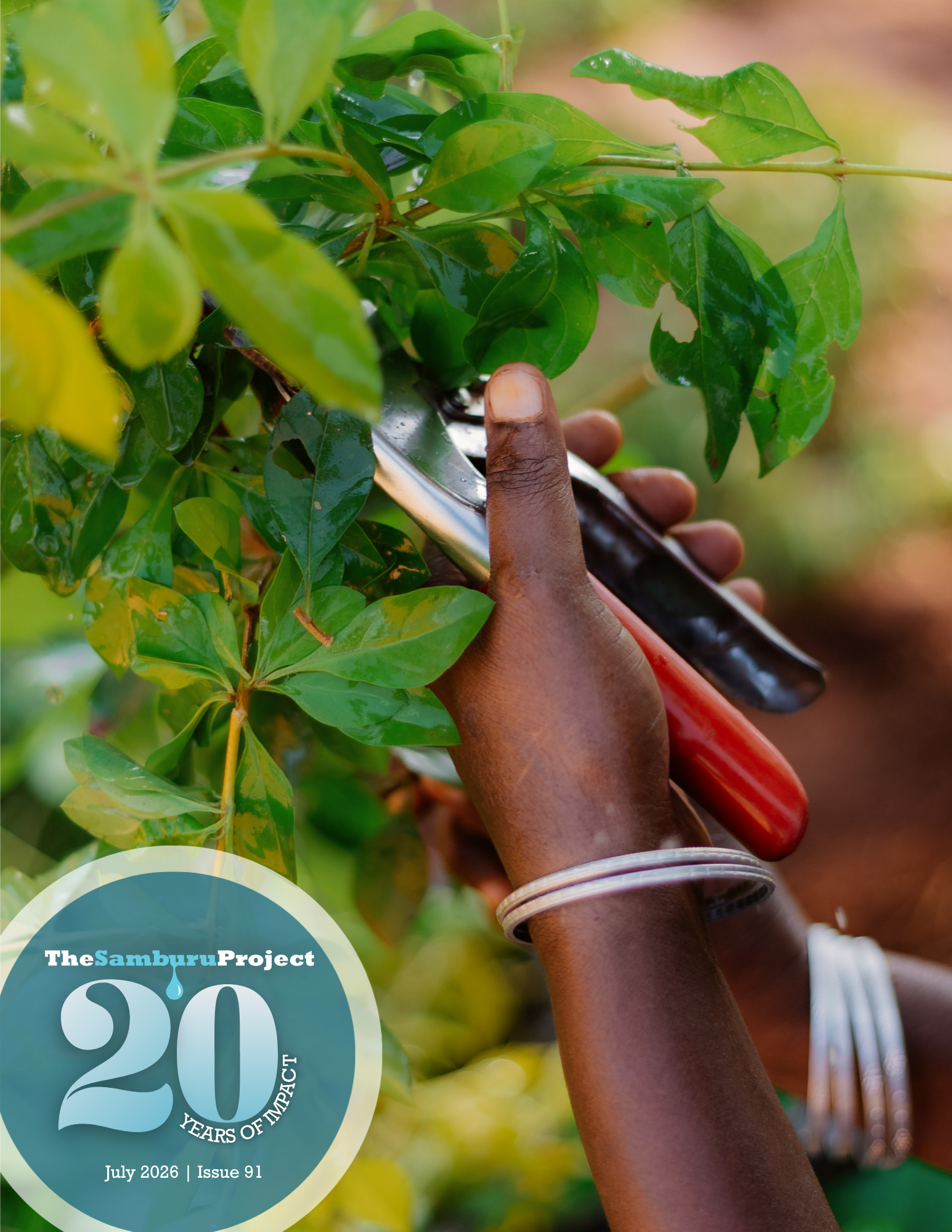
JULY 2026
LEARNING FROM THE GARDEN
For generations, the Samburu people have relied primarily on livestock to sustain their families. But as droughts become more frequent and rainfall less predictable, grazing lands shrink and water sources dry up. Learn how we partner with schools to teach agriculture and self-sufficiency…
JUNE 2026
TRAVEL, TOURISM, AND THE POWER OF CONNECTION
Summer is the season of movement. People travel farther, new landscapes are explored, and connections are formed across places that might otherwise feel distant. In Kenya, that movement carries a deeper layer of meaning - it is also a system that can support conservation efforts…