
The Ripple Effect by Tova Tampe
Reflections from a First Visit to Samburu
〰️
Reflections from a First Visit to Samburu 〰️
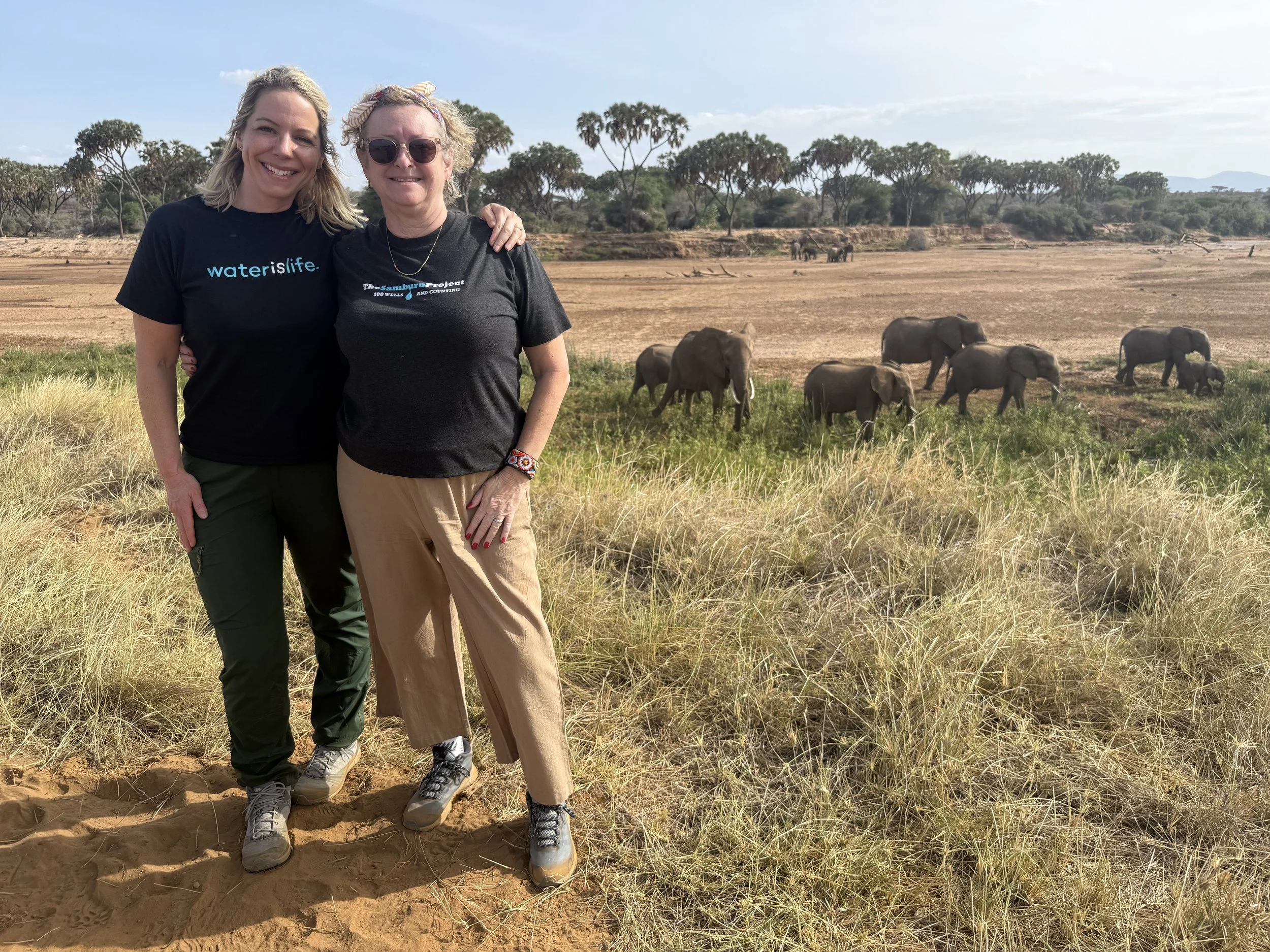
Tova and TSP Executive Director, Linda Hooper, in the Samburu National Reserve
My recent visit to Samburu was my first time traveling to this part of northern Kenya. Nearly twenty years ago, I lived and worked in rural western Kenya, so returning to the country brought back many memories. Samburu, however, was new to me — and yet in many ways it also felt familiar.
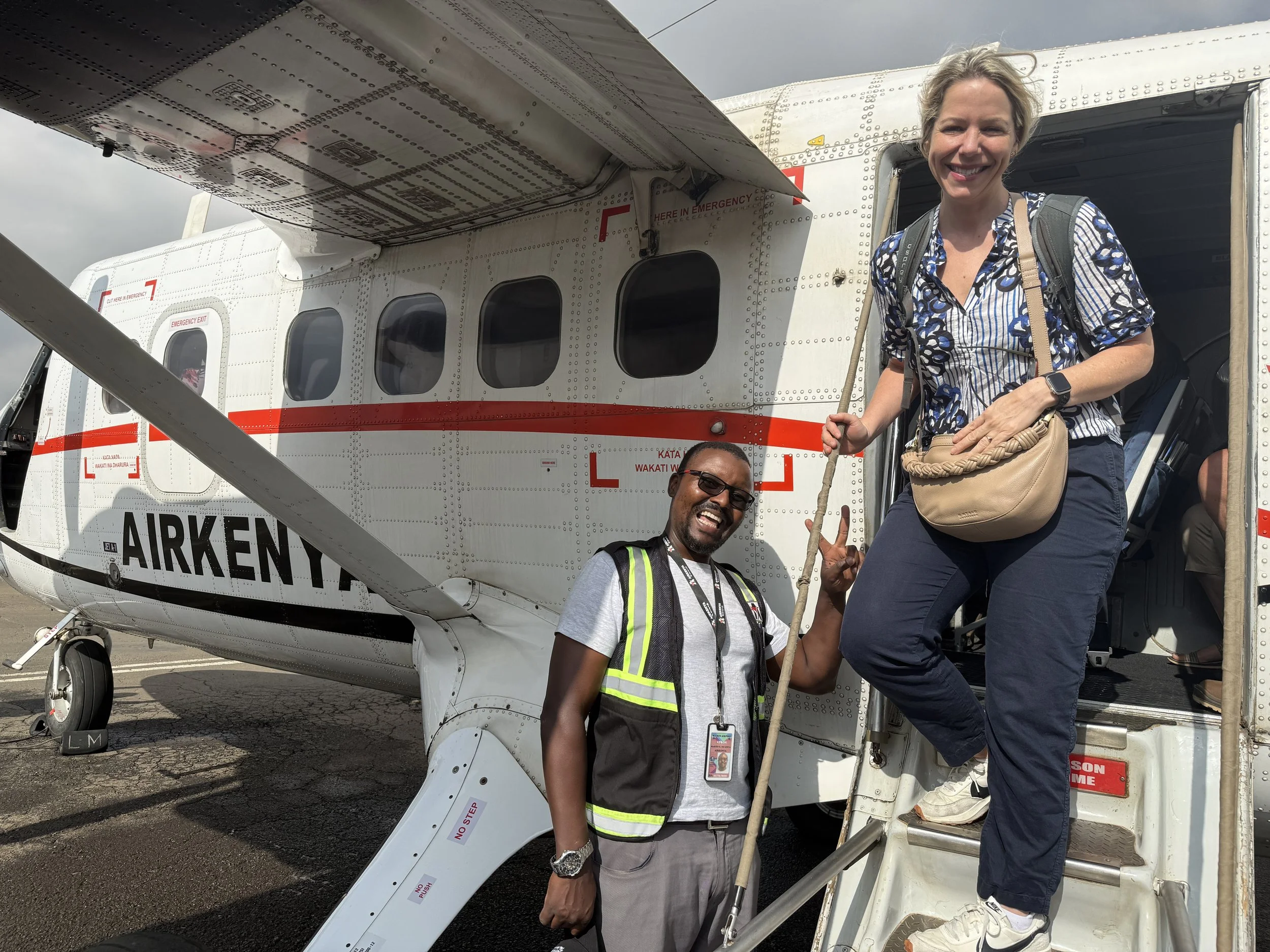
Tova arrives in Samburu aboard AirKenya
For more than two decades I have worked in global health, often focusing on how communities strengthen health and wellbeing from the ground up. But no amount of research, meetings, or policy discussions can fully replace the experience of seeing these changes firsthand.
What struck me most was how clearly community members described the changes they have experienced — and how they are leading that change themselves.
The wells, programs, and investments supported by The Samburu Project create the foundation, but it is the leadership of women within these communities that turns those investments into lasting progress.
Arriving in Archers Post in Samburu, we were immediately greeted by a group of women selling their beadwork along the arrival area of the airstrip.
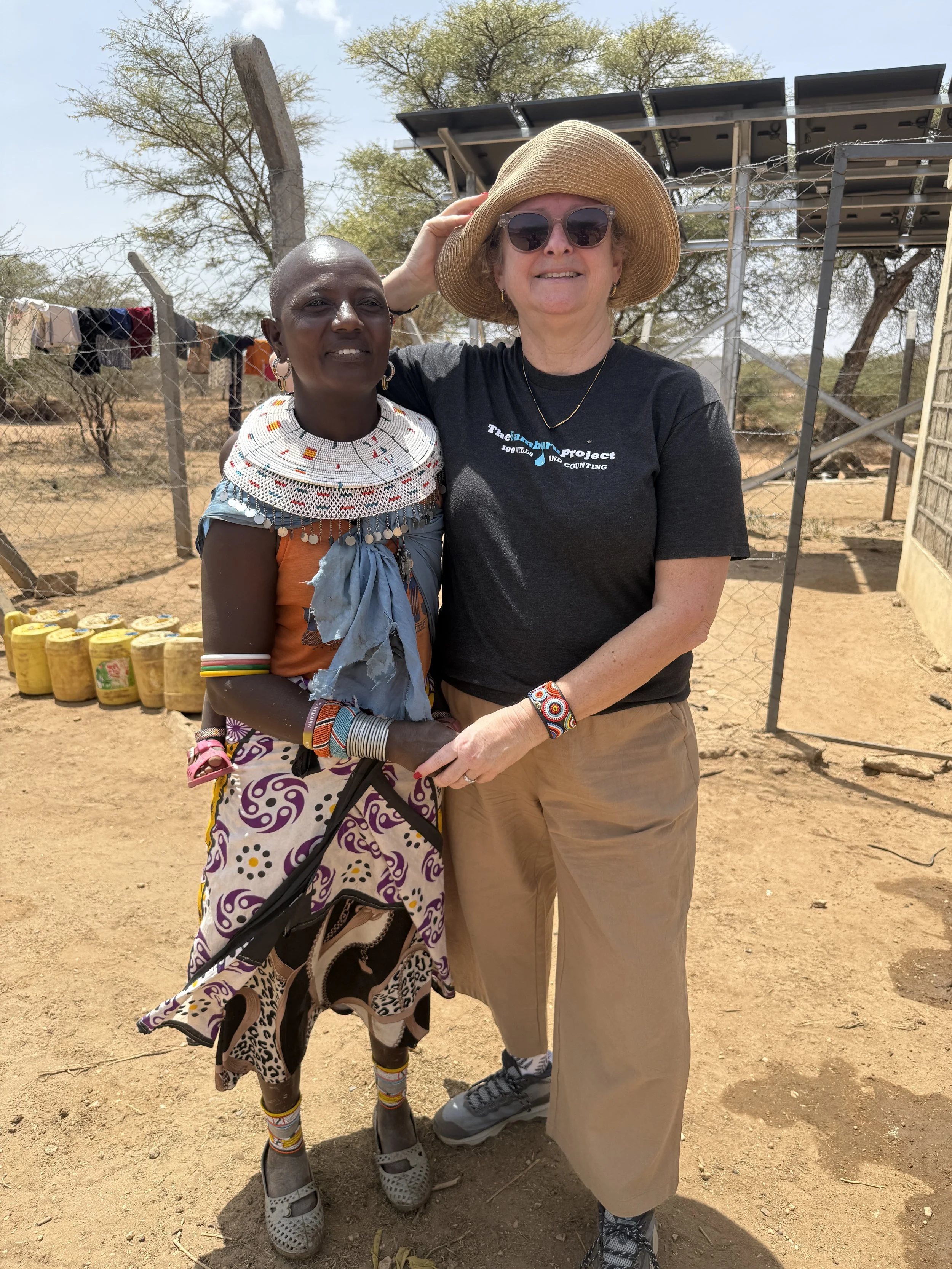
Linda with a community member
As soon as they saw Linda Hooper, Executive Director of The Samburu Project, they ran toward her, hugging her warmly and laughing together. It was a moment that spoke volumes. The Samburu Project has been working in these communities for nearly 20 years, and the trust built over that time was evident in that simple greeting. This is not an organization that parachutes in with outside solutions. From the beginning, The Samburu Project has worked alongside communities — listening first, building relationships over years, and ensuring that every well, every program, every investment is rooted in what communities themselves identify as their needs. That approach shows. You can see it in the way women greet the staff, in the way they speak openly in meetings, and in the way they have taken genuine ownership of what has been built together.
Linda introduced me to Mary, whose brilliant smile would leave anyone beaming.
Mary lives in Lolgerdad, where a well was built in 2012. Like many women in Samburu, she once spent hours each day walking long distances in the blazing sun to collect water for drinking, cooking, and cleaning. Now, with water closer to home, her daily life looks very different. She spends time making and selling beadwork, drawing on a craft that is deeply rooted in Samburu culture.