The Samburu Sisters by Tova Tampe
Reflections from a First Visit to Samburu
〰️
Reflections from a First Visit to Samburu 〰️
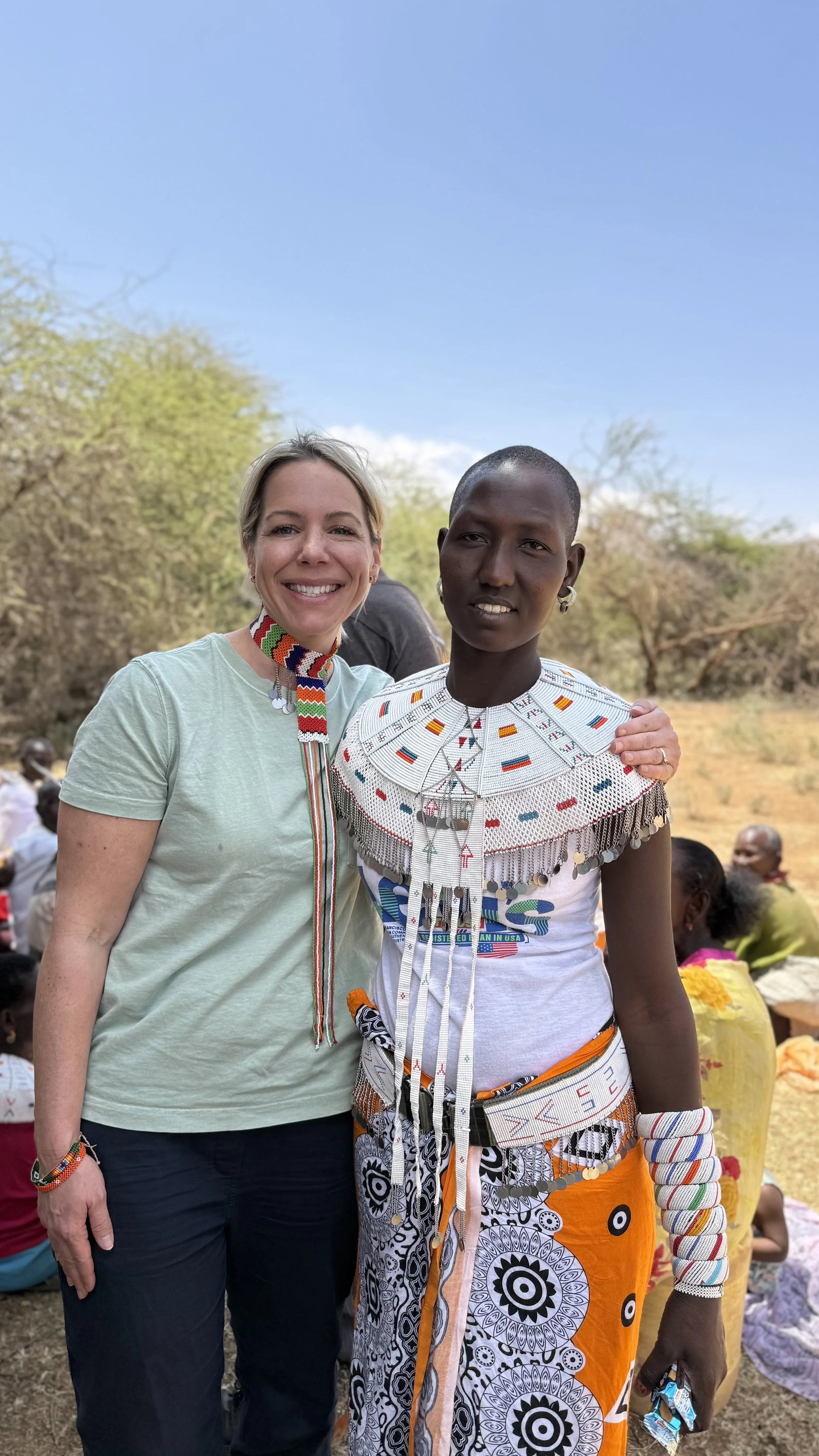
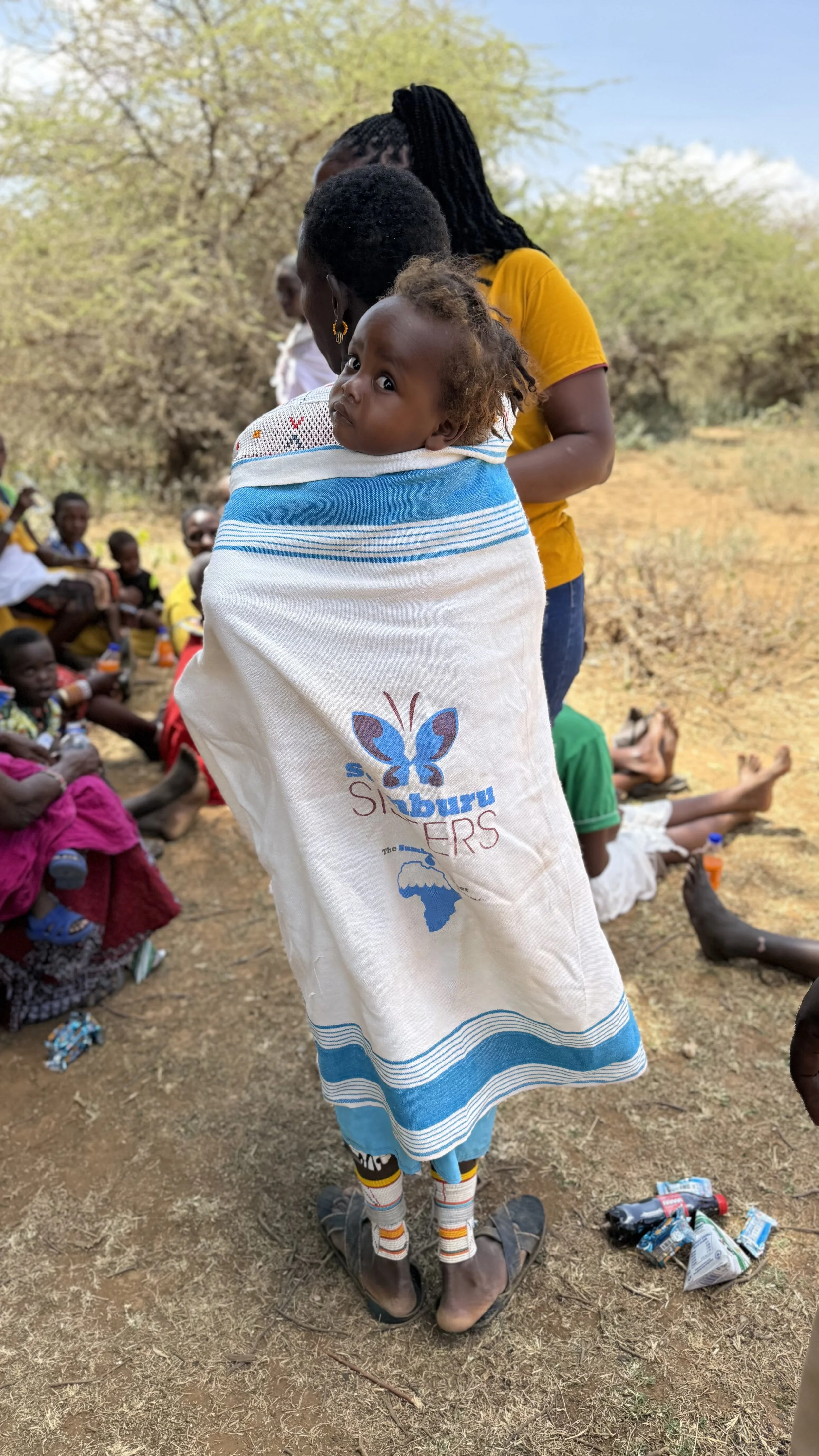
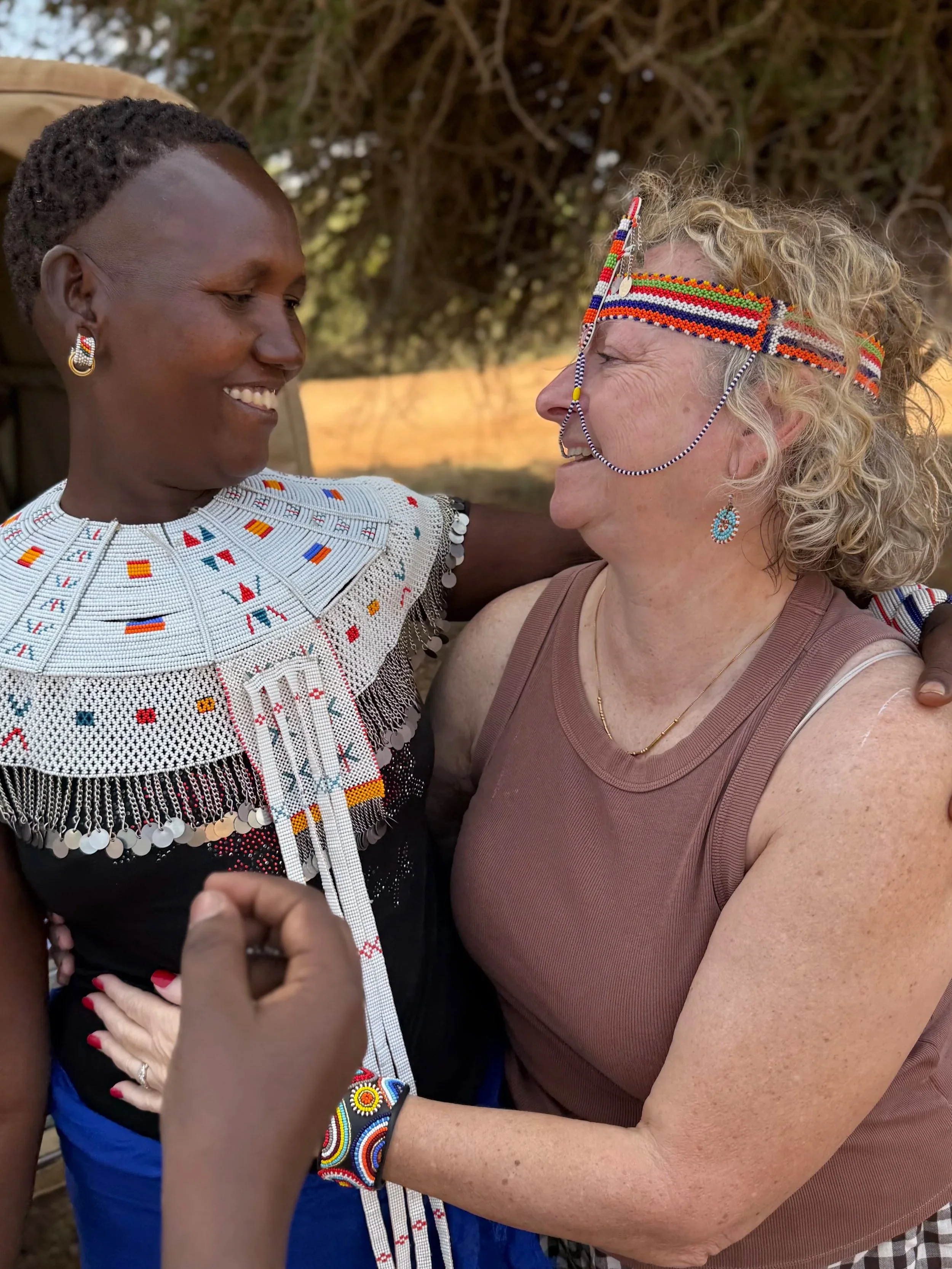
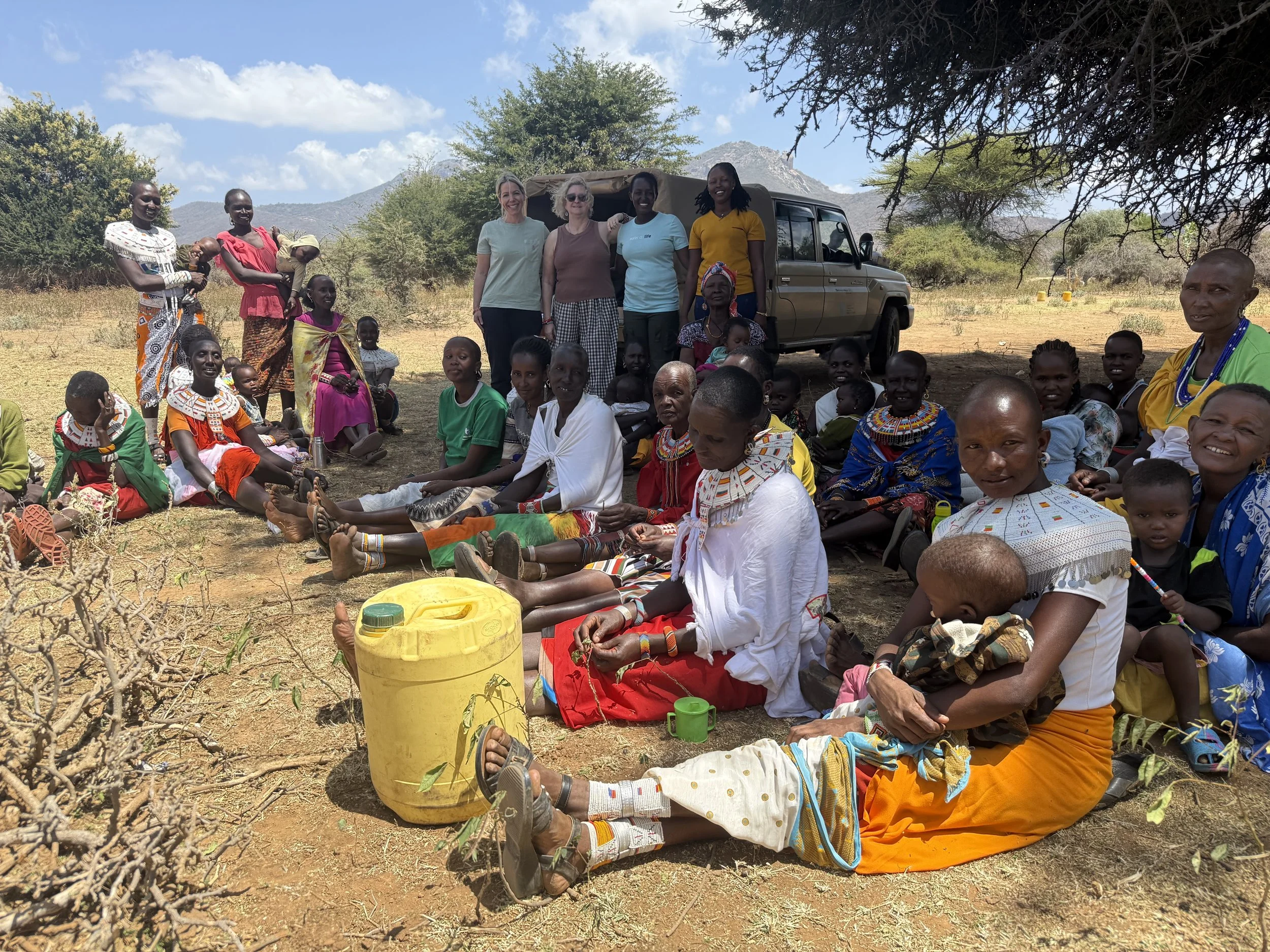
During the visit, I was fortunate to attend an informal Samburu Sisters meeting our staff had so graciously organized, where women gathered to talk openly about the challenges they face and the ways they support one another.
Listening to the women speak, I was struck by how vividly they remembered life before the well — and how much had changed. Women described leaving their homes at four or five in the morning to walk hours to a river, often returning as late as one in the afternoon, sometimes with barely enough water for the family, sometimes with none at all. The water they collected was visibly contaminated — carrying the smell of livestock — yet they had no choice but to drink it. Children were chronically ill with diarrhea and persistent coughs. And while mothers were gone for the better part of the day, young children were left at home in the dark. One woman shared a moment that has stayed with me: she had left her babies sleeping while she went to fetch water before dawn, and returned to find that a hyena had come to the compound in the night. By grace, the hyena took the dog and not her child.
“What the well gave these women, beyond clean water, was time. And what they did with that time is remarkable.”
When I asked how many women in the group had started a business since the well arrived, more than a dozen hands went up. Some are selling goat milk, collected daily and transported by motorbike to the nearest town. Others sell vegetables, foodstuffs, or clothing at the local market. One woman described a progression that felt quietly remarkable — she started with beadwork, added milk sales, and used those earnings to launch a vegetable business, buying produce and selling it in the village. The money women once paid just to access water is now being redirected into food, school supplies, and growing their livelihoods. Where water collection once consumed the entire day, women now send their daughters to the well in the morning and head to the market themselves — the whole family's rhythm transformed by a single reliable source of clean water.
The ripple effects reach the next generation in other ways too. Several women mentioned that their daughters are now attending school regularly — something that was difficult before, when mornings were consumed by water collection and there was rarely enough water to wash a school uniform. Now children arrive at school clean and on time.
The Samburu Sisters program goes beyond the practical as well. Women spoke about what they have learned in workshops — how to run a business, keep records, and participate in table banking. Perhaps most powerfully, several women spoke about female genital mutilation (FGM). One woman said she had undergone the practice herself and knew its effects firsthand — and that because of what she learned through the Samburu Sisters, she was determined her daughters would not go through what she had. Others in the group nodded. They said the shift in the community is real, and that girls who refuse are now protected by law. It was one of the most quietly powerful moments of the entire visit.