
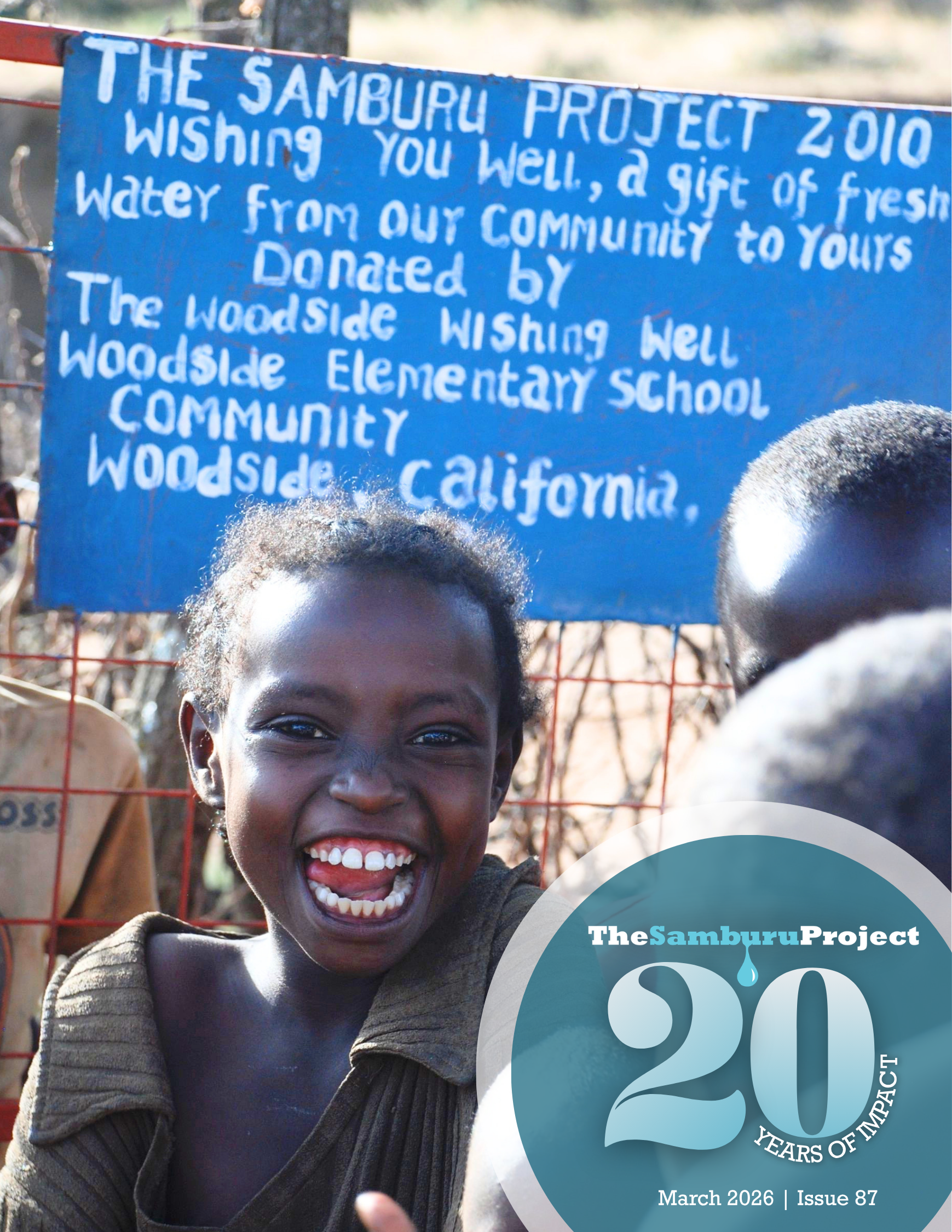
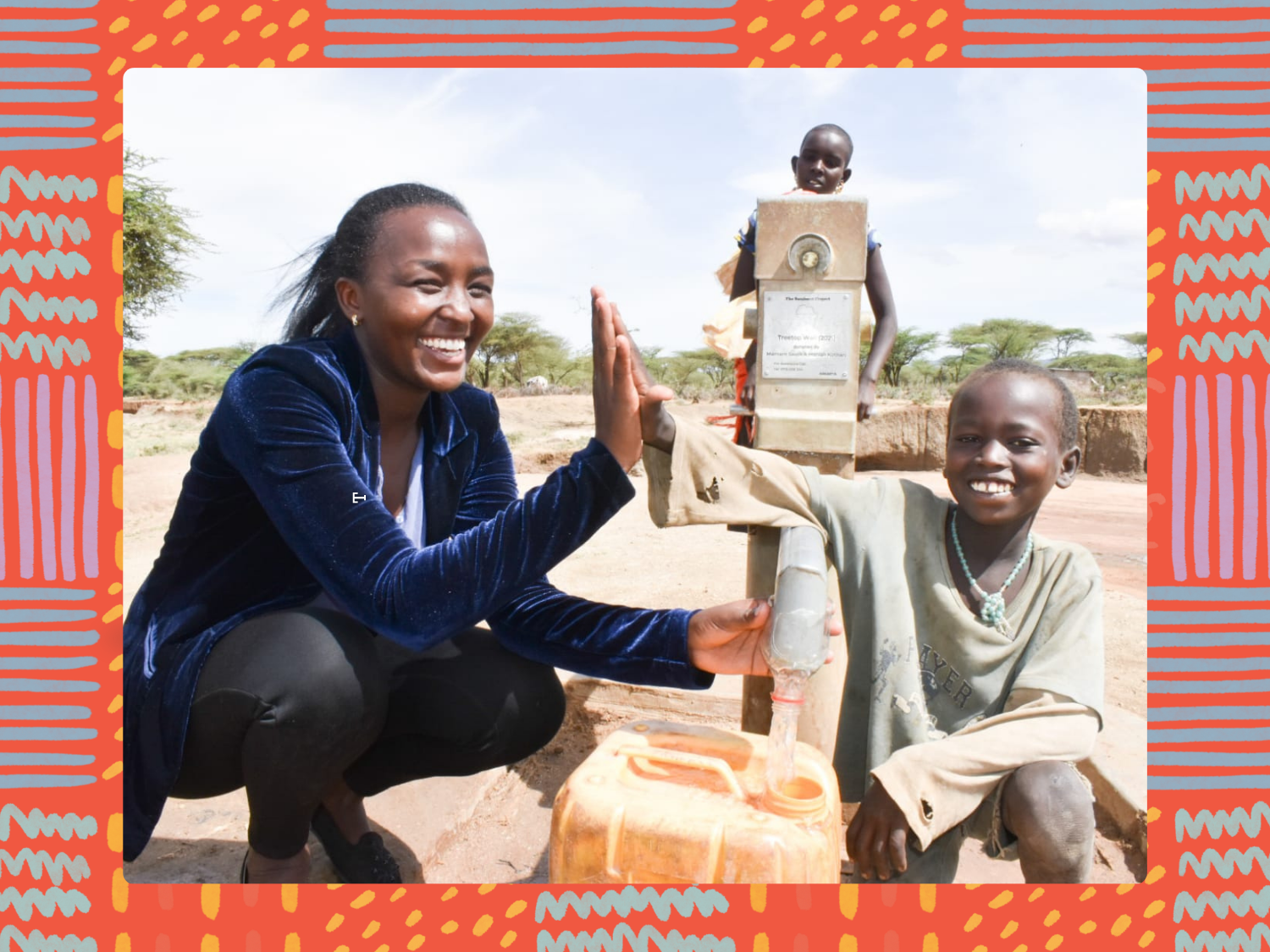

For us, March feels a time to celebrate the power of community - how people coming together locally can create meaningful change that reaches across the globe. In the early years of The Samburu Project, neighbors and supporters joined forces to support families in Samburu, Kenya, where access to clean water shapes daily life. These efforts were an early reminder that local action can ripple outward, improving health, education, and opportunity far beyond our own communities.
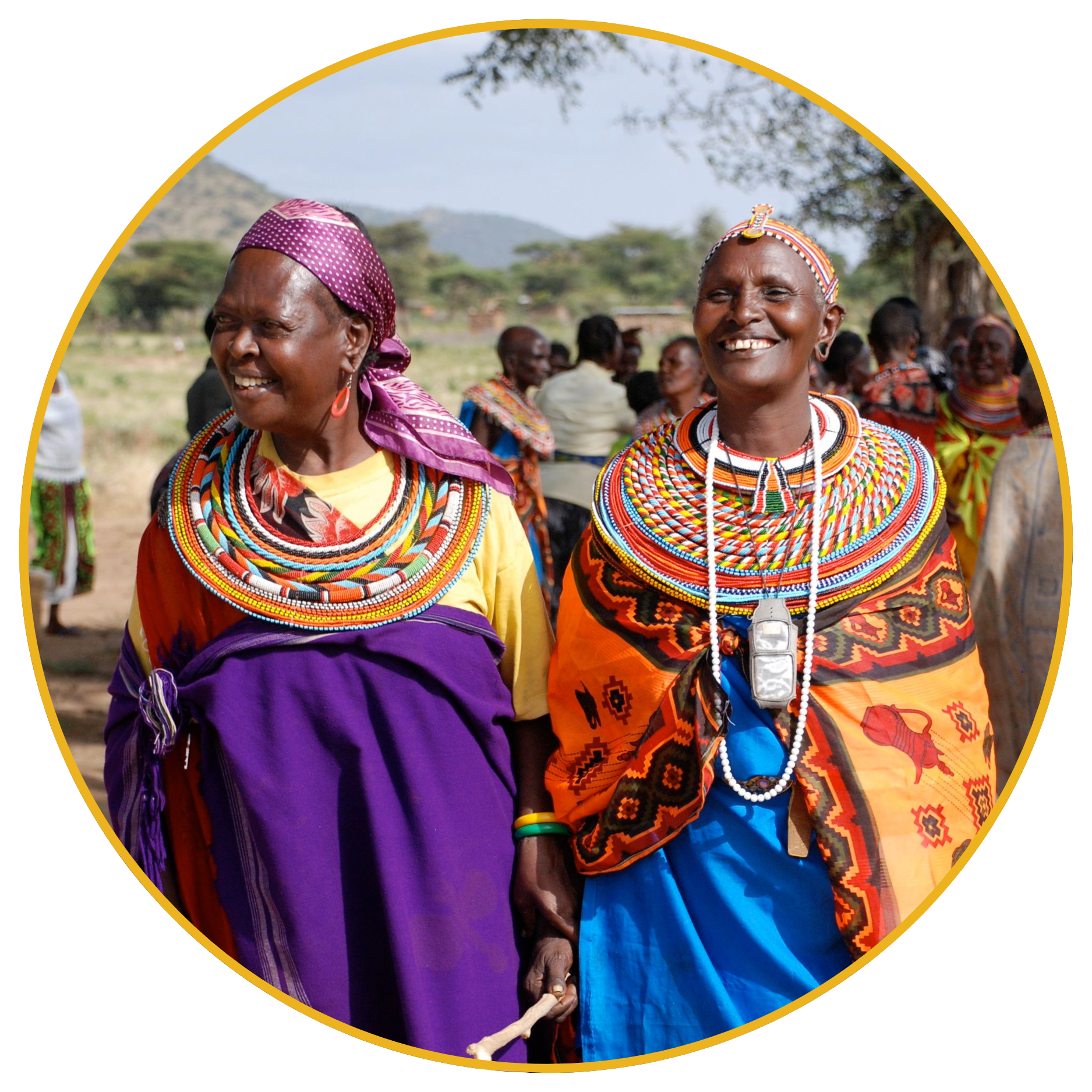
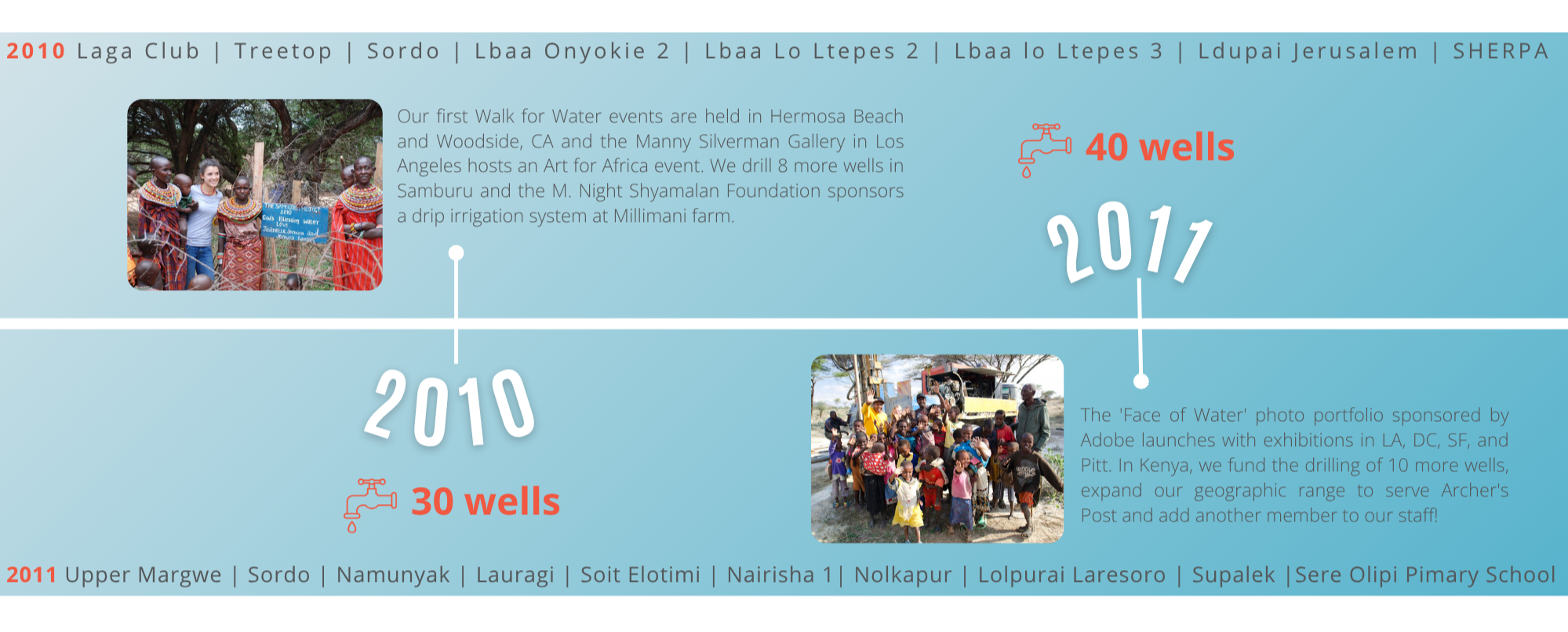
As we continue through our history, we reach 2010 and 2011, when The Samburu Project scaled significantly. During this period, we drilled eighteen new wells, six of which have since been replaced by our dedicated team, and four of which that are no longer working due to external factors. In total, we brought clean, reliable water to more than 8,850 people during this time. Since then, we’ve deepened our investment in the social fabric of these communities, leading five Menstrual Hygiene Management workshops, hosting three Samburu Sisters women’s empowerment workshops, launching a solarization initiative, and cultivating a community garden project. Each effort strengthened not only access to water but opportunities for education, health, and economic growth.
At this very same time, we launched our very first Walks for Water over here in the US…
one in Hermosa Beach, CA and one in Woodside, CA. These events were designed not just to raise funds, but to bridge two very different experiences of the global water crisis. Here in California, communities may face droughts, severe flooding, temporary shortages, and rising temperature - challenges that disrupt daily life but are often manageable thanks to modern infrastructure. In Samburu, however, women and children routinely walk 5–10 kilometers each day to reach rivers or dams, navigating rough terrain while carrying heavy containers. Climate variability - unpredictable rains, prolonged dry seasons, and water source depletion - makes these journeys increasingly difficult and heightens the risks of illness, missed school, and lost economic opportunity.
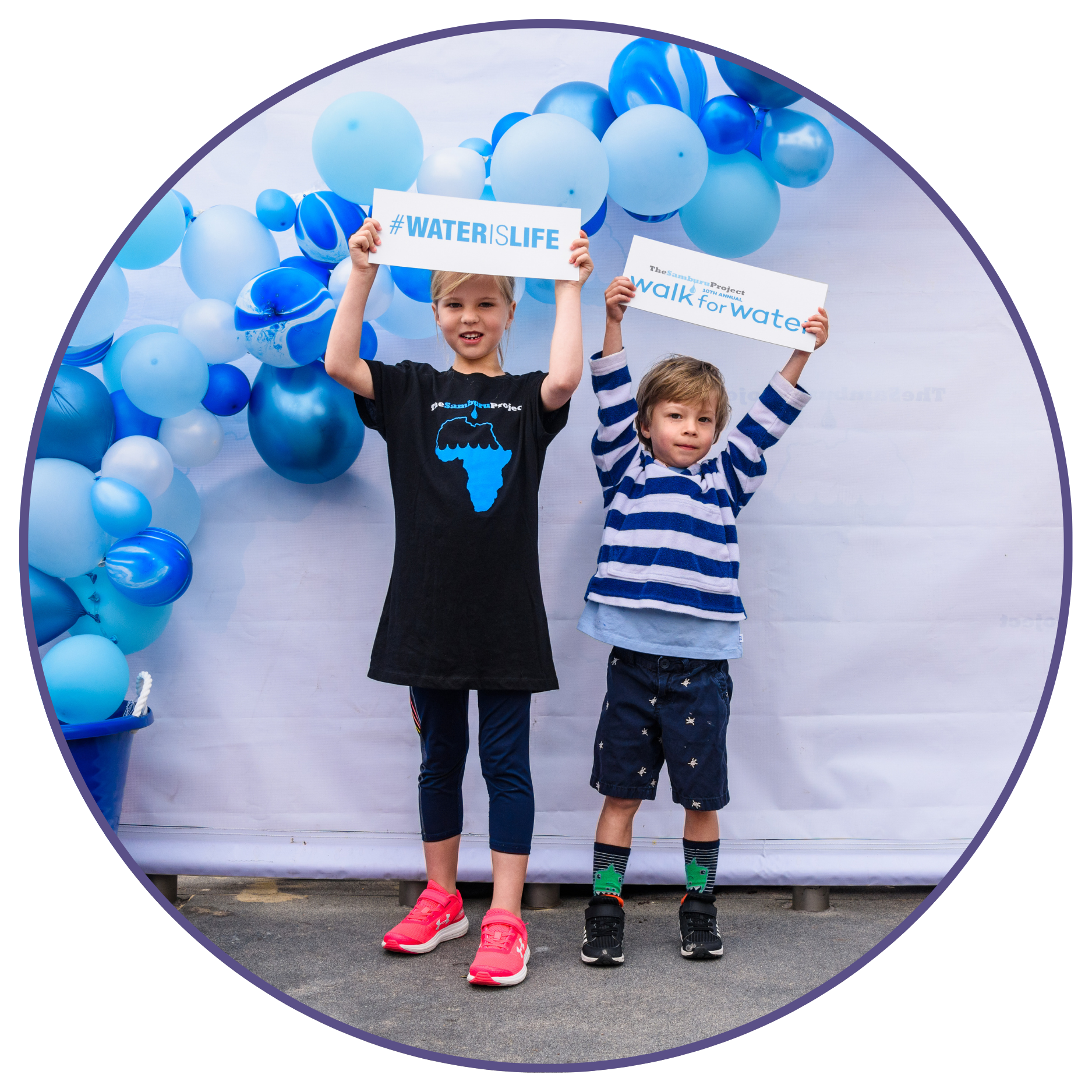
Our Walk for Water events allow our local community to step into this challenge, experience a small reflection of the daily burden faced in Samburu, and take meaningful action. Every mile walked and every dollar raised contributes directly to wells, gardens, and programs that reduce these daily hardships - particularly for women and children - while creating pathways to education, health, and economic opportunity.
This parallel between local experience and global reality makes the impact both immediate and personal: while Californians walk for awareness and fundraising, families in Samburu walk for survival. Every step we take in California becomes a step toward real, measurable change for those in need. This movement continues today as we prepare to gather once again in Woodside on April 19 and Hermosa Beach on April 26 to walk with the same spirit of awareness, solidarity, and collective action that defined our work in 2010–2011.


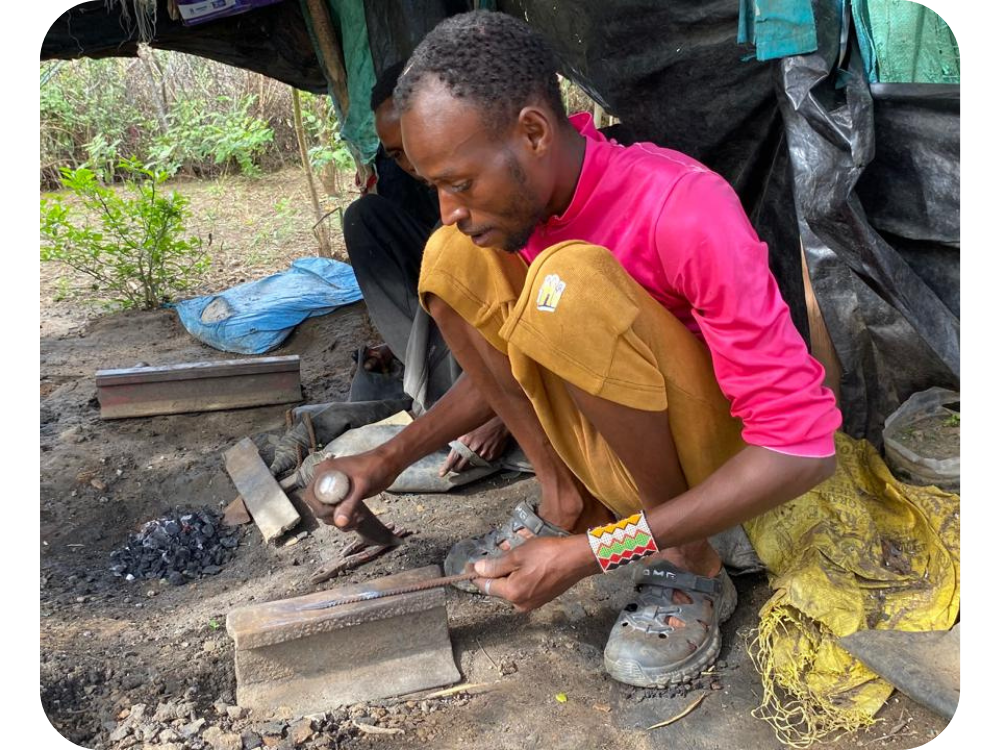
In Samburu, where pastoralism is the primary way of life, having a community of blacksmiths is truly special. Blacksmiths play an essential cultural role, crafting tools, like spear heads and goods families rely on every day, and ornaments for ceremonies. This craft requires time, precision, and most of all, access to water, making this story of Treetop’s blacksmiths a meaningful one.
One of these artisans is Isack Lenarokwe, a father of two daughters, farmer, and dedicated blacksmith whose days begin before sunrise. Each morning, he walks to the Treetop Well , less than a kilometer from his home, collects water, tends to his garden, waters the young trees he has planted, feeds his poultry, and then opens his workshop. His day is a pattern of creation and care, each activity supported by the reliable water source that changed the trajectory of his life.
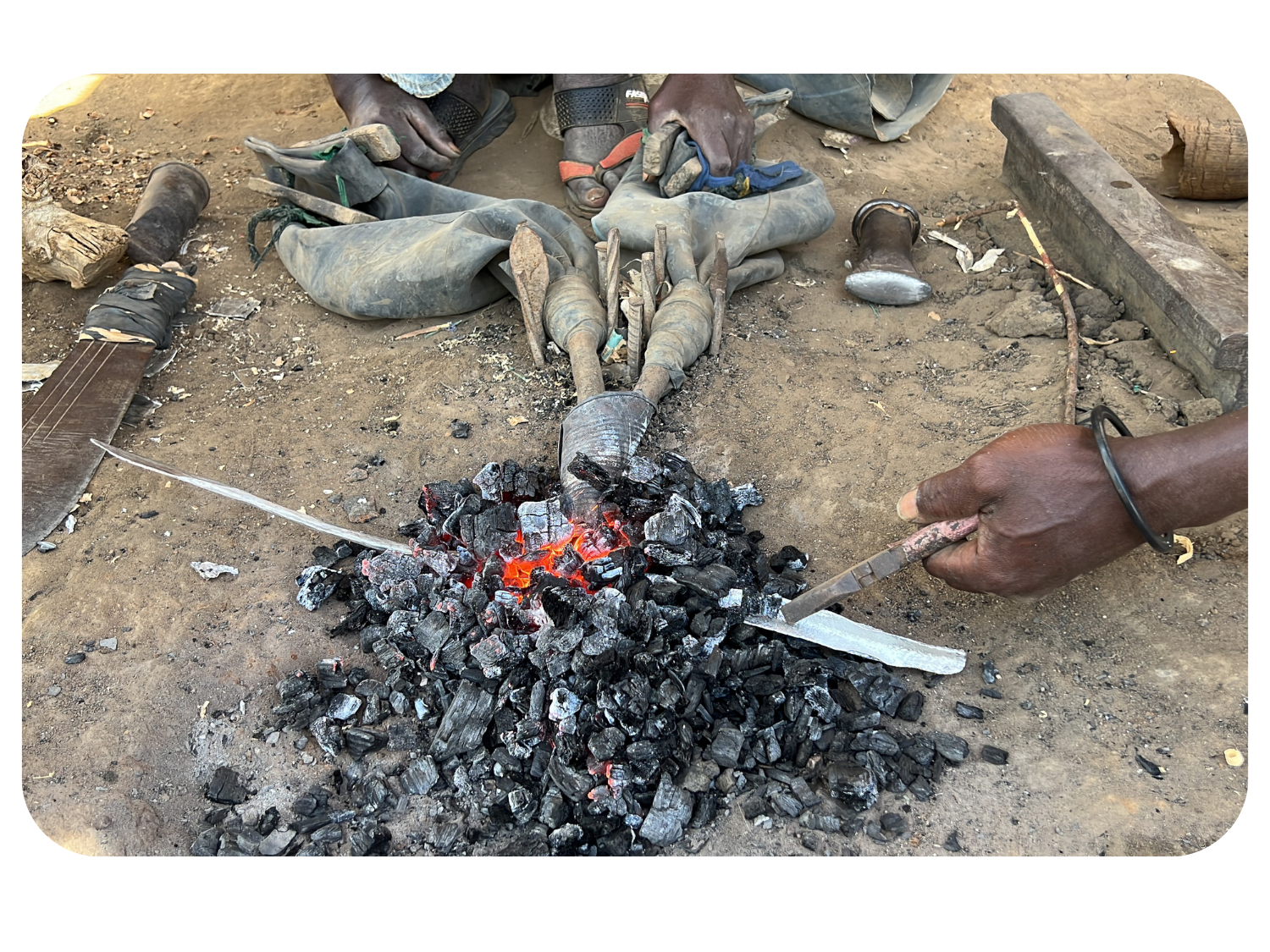
Before the well was drilled, Isack’s craft - and his future - were constrained by the long hours spent fetching water. He traveled great distances to Wamba River or to a dam in a neighboring village, often crossing deep riverbeds with heavy containers. The work was exhausting and left little time for blacksmithing. “Walking for a long distance was wasting a lot of my time,” he shares. “At the end of it, I would not achieve my goals.”
With the Treetop Well now close to home, Isack has reclaimed his time and expanded his opportunities. He has grown a large garden, planted dozens of trees, and begun nurturing tree varieties to sell. He has built a thriving poultry business - selling eggs and chickens while providing his family with fresh food. And crucially, he has strengthened his blacksmithing, preserving a vital craft and tradition within his community.
In a region where blacksmiths are few, Isack’s work is more than a livelihood - it’s a cultural contribution. His gratitude is profound. “I am living a better life now because of this water,” he says. His story is a reminder of how clean water protects tradition, unlocks opportunity, and fuels the unique gifts each community brings to the world.
Previous Issues:
FEB 2026
Beyond well drill - a lasting comittment
To TSP, true sustainability means showing up long after construction at our well communities is complete. It means returning, listening, repairing, and strengthening local leadership. Learn how help communities build the knowledge and systems to sustain their water sources for the long-term.
JAN 2026
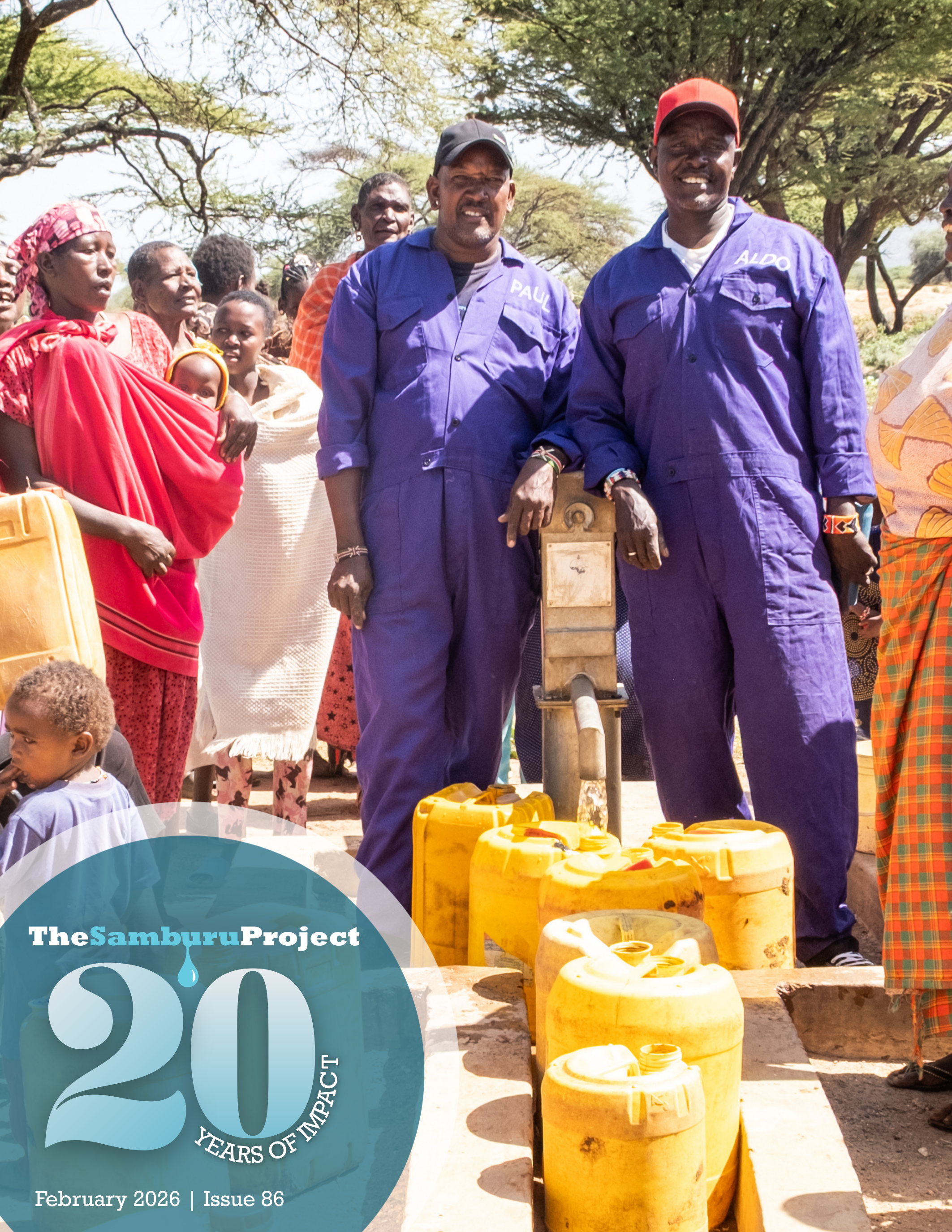
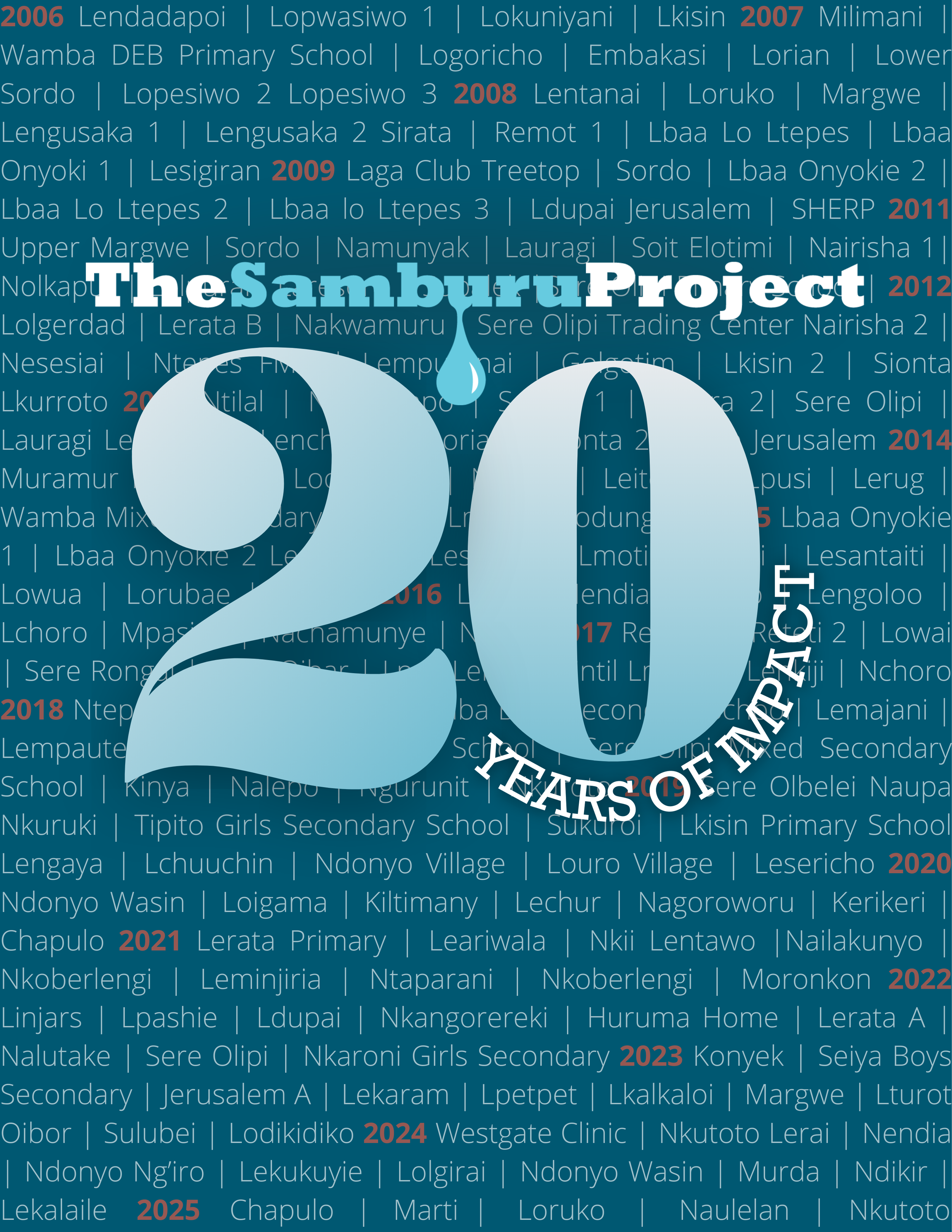
Celebrating 20 years of impact
Founded in 2006, The Samburu Project began with a simple mission: provide clean water so women and families could thrive. As we celebrate 20 years of impact, join us in journeying through the timeline of our wells - and the ripple of transformation they’ve created.
DEC 2025
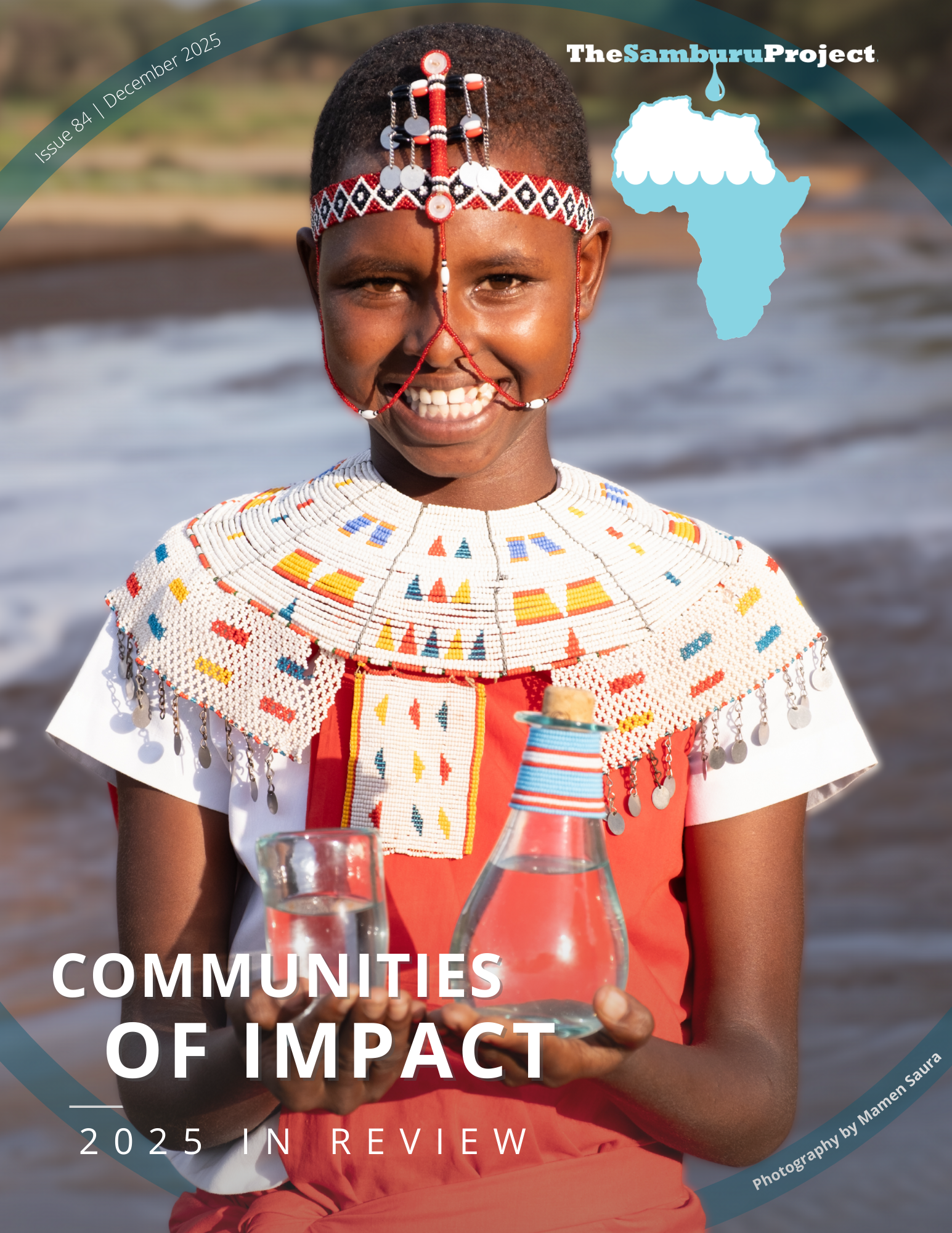
2025 in review
In 2025, The Samburu Project reached new milestones - drilling life-changing wells, strengthening community programs, and expanding opportunities for women and girls. This year-in-review celebrates the collective impact made possible by a global community committed to turning clean water into lasting change.